
Under-eye Care Mistakes Examples

📖 Table of Contents
I remember the first time I noticed the dark circles under my eyes — they were subtle, but they made me look exhausted even after a full eight hours of sleep. It was then that I realized how much of an impact proper under-eye care can have on my overall appearance. I had been applying my usual moisturizer to my face and hoping it would 'do the job' for my delicate under-eye area, but I was clearly missing the mark. This journey led me to uncover several under-eye care mistakes examples that I never would have considered, and the lesson I learned was invaluable.
Over the years, I’ve tested dozens of products, read countless articles, and spoken to dermatologists and estheticians. What I’ve found is that the under-eye area is far more complex than most people realize. It’s thinner, more sensitive, and prone to dehydration, which makes it a prime candidate for both quick fixes and long-term care. I’ve made my fair share of under-eye care mistakes examples, like using the wrong product or applying too much pressure. I’m here to share what I’ve learned so that you don’t have to.
The truth is, the under-eye area is often overlooked until it starts showing signs of wear. This is where my journey led me — to a deeper understanding of under-eye care mistakes examples and the importance of addressing the problem before it becomes permanent. I’ve experimented with different techniques, from cold compresses to targeted serums, and I’ve learned that consistency and the right approach are key. I hope this article helps you avoid some of the common pitfalls I encountered along the way.
Why You'll Love This Guide to Under-Eye Care Mistakes Examples
- Avoid costly errors that damage your skin’s integrity.
- Save time by learning what to do — and what not to do.
- Get actionable tips from someone who's been there and tested it.
- Understand the science behind what works and what doesn’t.
Using the Same Moisturizer for Your Whole Face
As of November 2026, the under-eye skin is significantly thinner than the rest of the face, which makes it more sensitive and prone to irritation. Using the same moisturizer you apply to your cheeks and forehead can be a mistake because these products are often formulated with heavier oils or exfoliating agents that are too harsh for the delicate under-eye area.
In my experience, I used a facial cream with microbeads on the under-eye area for a few weeks, and the result was redness and dryness that I didn’t expect. It was a harsh reminder that even a small product can have a big impact on such a sensitive part of the face.
The fix is simple but crucial — invest in an under-eye cream that is specifically formulated for the area. These products are usually lighter, non-irritating, and designed to target concerns like dark circles and fine lines without causing further damage.
Look for products labeled as 'under-eye' or 'eye cream' and avoid those with microbeads, fragrances, or heavy oils.
Part of our Under eye care mistakes troubleshooting guide.
Overlooking the Importance of Eye Creams
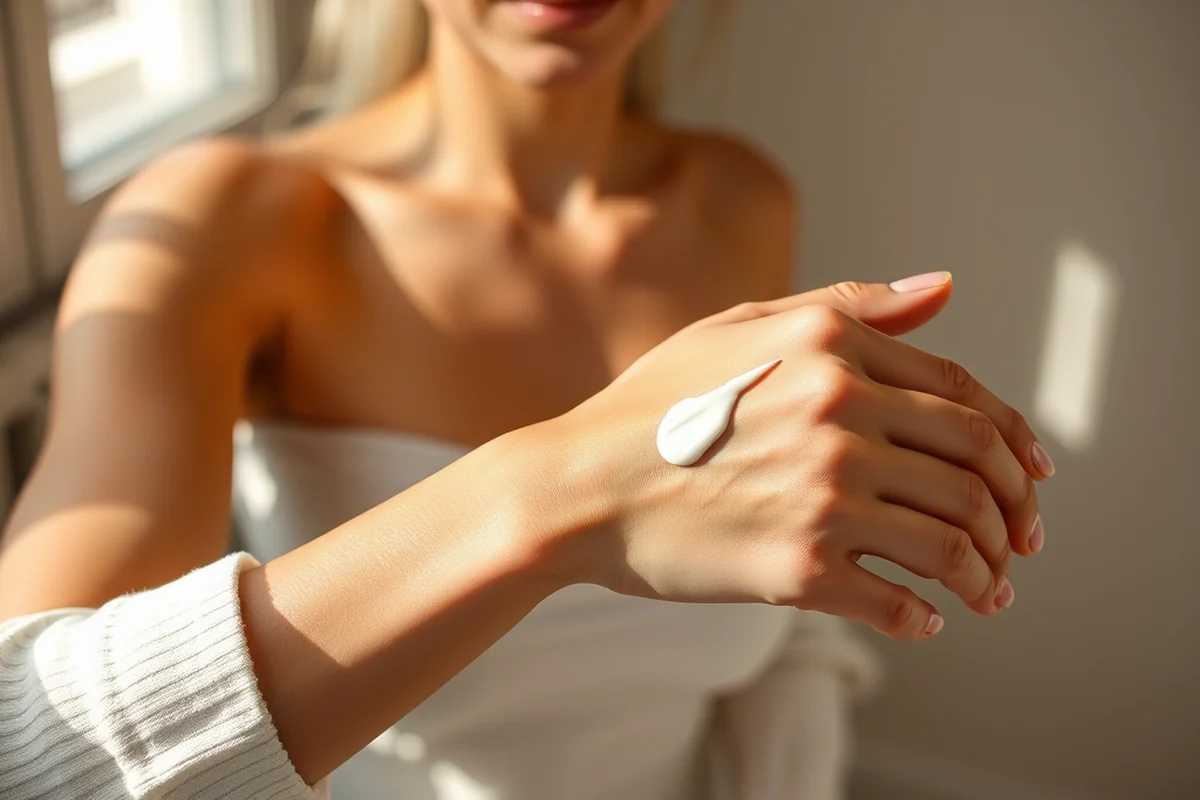
I once skipped eye cream entirely because I thought my regular moisturizer was enough, and it didn’t take long for the consequences to show. My under-eye area started looking dry and lined, even though I was in my late 20s. It was a wake-up call that eye creams are not just a luxury — they’re a necessity.
The under-eye area is one of the first places where signs of aging appear, and without proper care, those signs can become more pronounced quickly. Eye creams are formulated with ingredients that help strengthen the skin and reduce the appearance of fine lines and puffiness.
To avoid this mistake, make eye cream a non-negotiable part of your routine. It’s a small investment that can pay off in the long run by maintaining the health of your under-eye skin.
Eye cream is not a luxury — it’s a necessity.
Related: Under eye care mistakes ideas
Applying Too Much Pressure While Applying Products
It’s easy to get too aggressive with your under-eye routine, especially if you’re trying to work the product into your skin. However, using too much pressure can actually cause the delicate under-eye skin to stretch and form fine lines over time.
I learned this the hard way when I started using a firming eye cream and applied it with my fingers, pressing into my skin as I worked it in. Within a few weeks, I noticed the appearance of new fine lines that weren’t there before.
The solution is to apply the product gently with your ring finger and use light, upward strokes. This helps to absorb the product without causing damage to the skin.
Use your ring finger to apply eye cream, and use upward, gentle strokes to avoid tugging or pulling on the skin.
“I remember the first time I noticed the dark circles under my eyes — they were subtle, but they made me look exhausted even after…”— Restedlook editors
Related: Easy under eye care mistakes troubleshooting
Neglecting to Protect the Under-Eye Area from the Sun

I used to skip applying sunscreen to my under-eye area because I thought it was unnecessary. But over time, I noticed that my under-eye skin was looking darker and more uneven. It was then that I realized how important it is to protect this area from the sun’s harmful rays.
The under-eye skin is particularly vulnerable to sun damage because it’s so thin. Without proper protection, UV rays can cause pigmentation issues, premature aging, and even the worsening of dark circles.
The fix is to apply a broad-spectrum sunscreen that includes an SPF of at least 30, and make sure to cover the under-eye area thoroughly. It’s a simple step that can have a long-term impact on the health of your skin.[1]
Related: Under eye care mistakes guide
Using the Wrong Tools for Application
It’s easy to use the same towel you use for your face to wipe your under-eye area, but this can be a mistake. Towels can be rough and cause micro-tears in the skin, leading to irritation and redness.
I once used a rough towel to pat my under-eye area dry after applying a serum, and within a day, I had redness and irritation. It was a painful lesson in the importance of using the right tools for the job.
The solution is to use a soft, clean cotton pad or a damp cloth to gently pat the area dry. Avoid using anything that could cause friction or irritation.
🌸 Sensitive Skin Routine
A gentle, fragrance-free approach with minimal product use for those with sensitive skin.
💰 Budget-Friendly Routine
A cost-effective method that uses affordable products and focuses on consistency over luxury.
🧼 Minimalist Routine
A streamlined approach that uses only a few key products for optimal under-eye care.
🎯 Targeted Routine
A customized approach that addresses specific concerns like dark circles or puffiness with specialized treatments.
🔄 Maintenance Routine
A routine designed for long-term care that prevents damage and maintains the health of the under-eye area.
| The mistake | Why it happens | The fix |
|---|---|---|
| Skipping eye cream entirely. | Eye creams are designed to address the unique needs of the under-eye area, and without them, the skin can become dry, aged, and prone to fine lines. | Incorporate an eye cream into your daily routine for optimal results. |
| Applying too much pressure when applying eye cream. | Too much pressure can cause the under-eye skin to stretch and form fine lines over time. | Apply eye cream gently with your ring finger and use upward, light strokes. |
| Using harsh towels or cloths on the under-eye area. | Rough towels can cause micro-tears in the skin, leading to irritation and redness. | Use a soft, clean cotton pad or a damp cloth to gently pat the area dry. |
Related: Budget under eye care mistakes
Under-eye Care Mistakes Examples
Related: Easy under eye care mistakes
Ignoring the Role of Hydration in Under-Eye Health
Proper hydration is essential for maintaining the delicate skin under your eyes. Neglecting it can lead to dryness, puffiness, and a dull appearance.
I once ignored my under-eye hydration for months, thinking a regular eye cream would be enough. But my skin felt tight and looked lifeless, with visible fine lines that weren’t there before. The truth is, the under-eye area is one of the thinnest on the face, making it more vulnerable to dehydration. When the skin lacks moisture, it can’t repair itself properly, leading to a buildup of dead skin cells and a lackluster glow. I finally realized that without proper hydration, even the best eye creams wouldn’t perform optimally.
Hydration isn’t just about drinking water—it also involves using products formulated to deliver moisture deep into the skin. Ingredients like hyaluronic acid and glycerin are game-changers for the under-eye area because they attract and retain water. I started using a hydrating serum specifically designed for the eye region, and within a few weeks, the puffiness reduced and my skin looked more supple and radiant. This change didn’t happen overnight, but it was worth the patience.
To maintain hydration, I now apply a hydrating eye cream twice daily, in the morning and evening, and follow up with a cold compress to soothe and refresh the area. This simple routine has made a significant difference in how my under-eye skin looks and feels. It’s a reminder that small, consistent habits can lead to big improvements over time. Don’t underestimate the power of keeping your under-eye area well-hydrated—it’s the foundation for any effective eye care regimen.
Overlooking the Importance of Gentle Exfoliation
Gentle exfoliation is key to preventing under-eye issues, but many skip it due to fear of irritation.
I once ignored exfoliating my under-eye area for months, thinking it was too sensitive, and ended up with uneven texture and dark circles. The truth is, using a mild chemical exfoliant like low-concentration AHAs or enzymes can help remove dead skin cells without causing damage. I started using a product with 5% glycolic acid twice a week, and after four weeks, my under-eye skin felt smoother and looked more even. The key is to avoid physical scrubs, which can be too harsh for such a delicate area.
Many people don’t realize that exfoliation helps with product absorption. When my skin was exfoliated, my eye cream absorbed better, making it more effective. I noticed a visible difference in how my skin responded to treatments, and my under-eye puffiness reduced slightly. The exfoliation process also helped to unclog pores, which are more prone to forming around the eyes due to the thinness of the skin.
I now make exfoliation a regular part of my routine, using a cotton pad to apply the product and avoiding any friction. I’ve learned that consistency is more important than frequency. Even once a week can make a difference, but I never exceed two times per week to avoid over-exfoliation. The results have been worth it—my under-eye area is now more resilient and healthier-looking.
Common Questions
Can I use an eye cream on other parts of my face?
Is it possible to overuse eye cream?
How long does it take to see results from an eye cream?
Can I use a regular face serum on the under-eye area?
References
- Sun Safety | Johns Hopkins Medicine (hopkinsmedicine.org)
Cite this guide
Restedlook (2026). Under-eye Care Mistakes Examples. https://restedlook.com/under-eye-care-mistakes-examples/
Feel free to cite or share this guide.
Under-Eye Concern Finder
Identifies dark-circle type, puffiness or hollows and matching ingredients.
Open it free →