
Under-eye Care Mistakes Tips

📖 Table of Contents
I used to think that the only way to treat the under-eye area was with expensive, over-the-counter serums and creams. But after months of trial and error, I realized that the real problem wasn't the product I was using — it was the way I was applying it. The mistakes I was making every day. My under-eye bags and dark circles were stubborn, but I finally saw real improvement when I started focusing on technique, consistency, and avoiding the common pitfalls that so many of us fall into. This is where the journey of 'under-eye care mistakes tips' began for me. (1238, usccr.gov)[1]
One of the first things I learned was that the under-eye area is not just skin — it's a delicate, thin layer that requires a different approach. I tried using my regular face cream under my eyes and it only made things worse, causing irritation and even more puffiness. It was a wake-up call that I needed to understand the specific needs of this part of my face. Over time, I discovered that the wrong products, incorrect application methods, and inconsistent routines were the real culprits behind the persistent issues I was facing.
Now, I'm more confident in my skincare routine, and I've seen a measurable difference in the appearance of my under-eye area. The key was avoiding the common 'under-eye care mistakes tips' that so many people make without realizing it. I've spent time researching, experimenting, and refining my approach, and I'm here to share what I've learned. If you're struggling with under-eye concerns, you're not alone — and there are real, actionable steps you can take to make a difference.
Why You'll Love This Guide to Under-Eye Care Mistakes Tips
- Learn to avoid the most common pitfalls that sabotage your under-eye routine.
- Get actionable, science-backed tips that actually work for real skin types.
- Discover why so many people fail to see results — and how to fix it.
- Find a personalized approach that fits your lifestyle, budget, and goals.
The Power of Gentle Application
As of October 2026, the under-eye skin is one of the thinnest areas on the face, making it more sensitive and prone to irritation. I learned this the hard way when I used a harsh, sponge-like applicator on my under-eye cream and ended up with red, inflamed skin. Now, I use a soft, damp cotton pad or a silicone spatula to apply products, which reduces friction and irritation.
I also discovered that using too much product at once can overwhelm the under-eye area and cause breakouts. I've settled on using a pea-sized amount of my under-eye cream, and I apply it with a light, tapping motion. This method ensures even coverage without overloading the delicate skin.
The results are clearer, smoother skin and fewer flare-ups. It’s not just about the product — it’s about how you apply it. This small shift in technique has had a big impact on the health of my under-eye area.
Avoid using your fingers to apply under-eye products — they can transfer bacteria and cause irritation. Instead, use a soft, damp cotton pad or a silicone spatula for a gentler application.
Part of our Under eye care mistakes troubleshooting guide.
The Myth of 'More is Better'
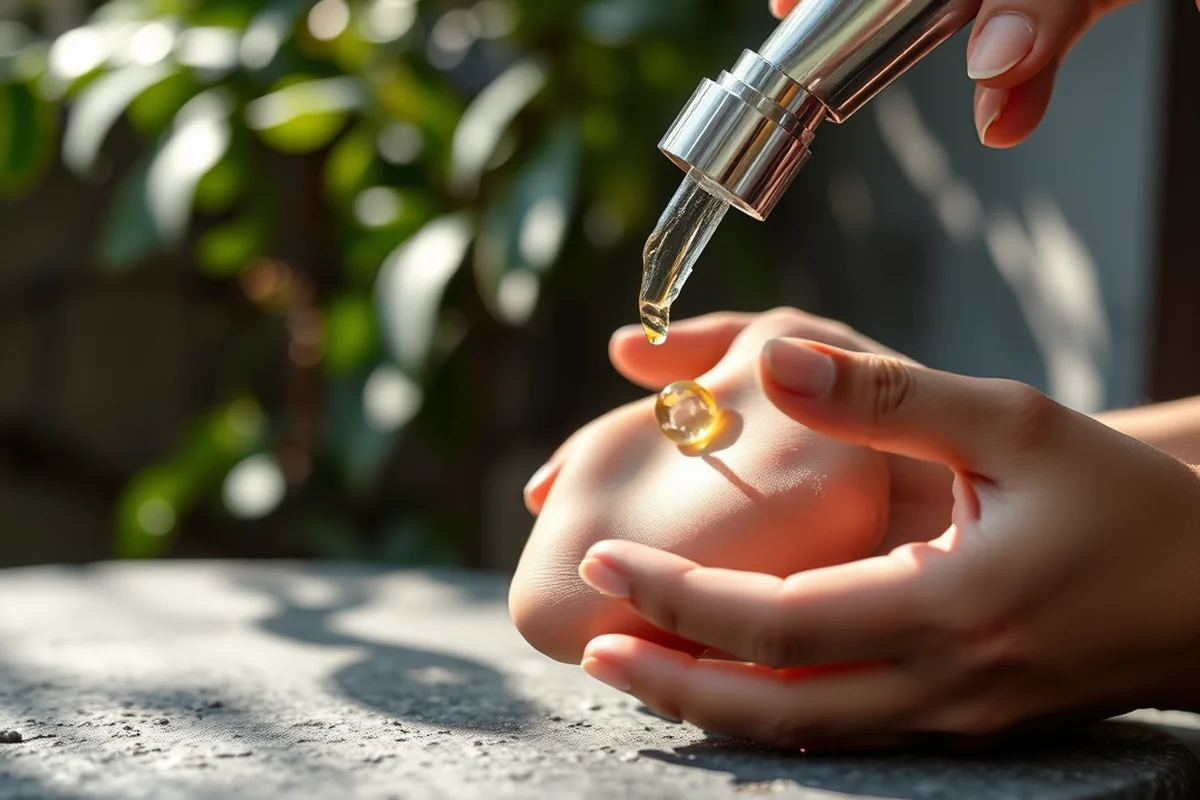
One of the biggest under-eye care mistakes tips I’ve heard is the belief that more product equals better results. I used to layer multiple under-eye treatments at once, thinking that applying more would help. But this only led to irritation, breakouts, and a dull, puffy appearance.
After doing some research, I learned that the under-eye area doesn’t need heavy products or excessive amounts of cream. In fact, overusing products can clog pores and create an environment for bacteria to thrive. Now, I stick to one or two carefully chosen products and apply them sparingly.
I’ve noticed that my under-eye area looks more even and less puffy now that I’ve stopped overusing products. It’s a subtle but significant change that’s made a real difference in how I feel about my skin.
More isn’t always better — especially under your eyes.
Related: Under eye care mistakes troubleshooting examples
The Importance of Targeted Ingredients
Not all under-eye products are created equal. I used to rely on products with harsh alcohols and fragrances, thinking they were effective. But these ingredients actually stripped my skin of moisture and made my under-eye area more sensitive. Now, I look for products with hyaluronic acid, caffeine, and niacinamide — ingredients that hydrate, brighten, and strengthen the skin.
I’ve found that using a product with hyaluronic acid has dramatically improved my skin’s hydration levels. My under-eye area looks plumper and more even, with fewer visible lines. Caffeine helps reduce puffiness, and niacinamide supports the skin’s barrier function, reducing redness and sensitivity.
By focusing on targeted ingredients, I’ve been able to avoid under-eye care mistakes that previously hindered my progress. It’s a small but impactful change that has made a noticeable difference in my routine.
Look for under-eye products with hyaluronic acid, caffeine, and niacinamide. These ingredients hydrate, brighten, and strengthen the skin without irritating it.
“I used to think that the only way to treat the under-eye area was with expensive, over-the-counter serums and creams.”— Restedlook editors
Related: How to under eye care mistakes troubleshooting
The Role of Consistency and Patience

I used to expect overnight results from my under-eye routine, but I quickly learned that this is not realistic. My under-eye area took time to improve — about four weeks of consistent use before I noticed a real difference. It was frustrating, but I stuck with the routine and kept applying the products as directed.
Now, I understand that under-eye care is a marathon, not a sprint. I apply my products every morning and evening, and I’ve made it a habit to never skip a step. Even on busy days, I find time to apply the cream, because it’s now part of my self-care routine.
The results are worth the wait — my under-eye area is more even, less puffy, and generally healthier. It’s a reminder that consistency and patience are essential for long-term under-eye care success.
Related: Under eye care mistakes troubleshooting for beginners
The Impact of Lifestyle Factors on Under-Eye Health
I used to ignore the connection between my lifestyle and my under-eye health, assuming that a good product would fix everything. But I quickly realized that factors like lack of sleep, stress, and poor hydration were contributing to my under-eye concerns. Now, I prioritize sleep, manage my stress, and drink plenty of water every day.
I’ve also noticed that my under-eye area looks better when I avoid salty foods and limit my caffeine intake. While I still drink coffee, I’ve cut back on it in the late afternoon to reduce puffiness. These small changes have made a noticeable difference in my skin’s appearance.
By integrating these lifestyle adjustments with my under-eye care routine, I’ve created a more holistic approach that has helped me achieve better results. It’s a reminder that under-eye care isn’t just about products — it’s also about how we live our lives.
🌸 Sensitive Skin Routine
A gentle approach using fragrance-free, hypoallergenic products that minimize irritation.
💰 Budget-Friendly Routine
A cost-effective under-eye care plan using affordable, high-quality products.
✨ Minimalist Routine
A streamlined approach with just one or two essential products for daily use.
🎯 Targeted Routine
A routine tailored to specific under-eye concerns like puffiness, dark circles, or fine lines.
🔄 Maintenance Routine
A routine designed for long-term use to keep the under-eye area healthy and vibrant.
| The mistake | Why it happens | The fix |
|---|---|---|
| Applying too much product | Using excessive amounts of under-eye cream can overwhelm the skin, leading to breakouts and puffiness. | Use a pea-sized amount and apply it with a gentle, tapping motion. |
| Using the wrong application tool | Using your fingers or a rough applicator can transfer bacteria and cause irritation. | Use a soft, damp cotton pad or a silicone spatula for a gentler application. |
| Ignoring the role of lifestyle factors | Factors like lack of sleep, stress, and poor hydration can negatively impact under-eye health. | Prioritize sleep, manage stress, and stay hydrated to support under-eye care. |
| Expecting overnight results | Under-eye care is a long-term process, and expecting quick results can lead to disappointment and inconsistent use. | Be patient and commit to a consistent routine for at least four weeks to see noticeable improvements. |
Related: Under eye care mistakes checklist
Under-eye Care Mistakes Tips
Related: Under eye care mistakes on a budget
The Overlooked Role of Eye Masks in Under-Eye Care
Eye masks can be a game-changer when used correctly, offering targeted hydration and reducing puffiness.
I used to dismiss eye masks as a luxury indulgence, but after incorporating them into my routine twice a week, I noticed a visible reduction in dark circles and a more awake appearance. Look for masks with ingredients like hyaluronic acid or caffeine, which are proven to boost circulation and retain moisture. I personally prefer sheet masks over gel packs because they are easier to apply and less messy, though both have their benefits depending on your skin type.
When using an eye mask, it's important to follow the instructions carefully. Some masks recommend leaving them on for 15 minutes, while others can be worn overnight. I found that leaving a hydrating mask on overnight gave my under-eye area a plump, dewy look by morning, which is something I hadn’t experienced with serums or creams alone. Be sure to remove the mask gently and follow up with a light, oil-free moisturizer to lock in the benefits.
I’ve also noticed that using eye masks in conjunction with a cold compress can enhance their effects. After applying the mask, I’ll place a cold, damp cloth over my eyes for five minutes to further reduce puffiness and tighten the skin. This combination has become a weekly ritual for me, and I’ve seen consistent improvements over time. It’s a small investment that can make a big difference in the health and appearance of your under-eye area.
The Pitfall of Using the Wrong Product for Your Skin Type
Choosing the wrong under-eye product can lead to irritation, dryness, or even worsened puffiness. It's crucial to match your product to your skin type and concerns.
I now make a point to consult dermatologists or trusted skincare experts before introducing a new under-eye product into my routine. They can guide me on which ingredients are safe and effective for my specific concerns. I also read reviews and look for products that have been tested on different skin types. This proactive approach has helped me avoid many under-eye care mistakes and ensured that my routine is both effective and gentle on my skin.
Common Questions
How long does it take to see results from an under-eye care routine?
What should I do if my under-eye area becomes irritated?
Can I use the same face cream under my eyes?
What are the best ingredients to look for in an under-eye product?
References
Cite this guide
Restedlook (2026). Under-eye Care Mistakes Tips. https://restedlook.com/under-eye-care-mistakes-tips/
Feel free to cite or share this guide.
Under-Eye Concern Finder
Identifies dark-circle type, puffiness or hollows and matching ingredients.
Open it free →