
Budget Under-eye Care Timelines

📖 Table of Contents
I remember the first time I stared at the mirror and saw the bags beneath my eyes, like two dark clouds that had settled there overnight. I had just turned 30, and the fatigue from balancing work, life, and a sleepless toddler was starting to show. I tried everything from expensive serums to DIY masks, but nothing felt sustainable. That’s when I realized that under-eye care doesn’t have to be a costly, complex ritual. It can be simple, effective, and tailored to your budget — and that’s exactly what I want to share with you.[1]
Over the past year, I’ve tested a range of under-eye care products, techniques, and routines, all while keeping my budget under $50 a month. I’ve learned that results don’t always come from the most expensive items. Sometimes, it’s the consistency, the right products, and the right timelines that make all the difference. I’ve compiled what worked — and what didn’t — into a clear, step-by-step guide for anyone looking to improve their under-eye area without breaking the bank.[2]
This article is for the person who wants to see real results but doesn’t want to empty their wallet or spend hours in front of the mirror. It’s about finding a routine that’s simple, sustainable, and effective. If you’re looking for budget under-eye care timelines that actually work, you’ve come to the right place.
Why You'll Love This Budget Under-Eye Care Timeline
- Real, measurable results with minimal cost
- Sustainable, easy-to-follow steps that fit into your daily routine
- No need for expensive or complicated products
- Tailored timelines for different skin types and lifestyles
The Power of Consistency in Under-Eye Care
As of November 2026, I learned the hard way that even the best under-eye cream won’t do much if I skip applying it on some days. I started with a simple routine: applying a hydrating eye cream twice a day and using a cold compress in the evenings. Within a month, I noticed a subtle but real improvement in the texture and appearance of my under-eye area.
The key is to create a habit that doesn’t feel like a chore. I set a reminder on my phone to apply my eye cream in the morning and evening, and I keep the product within arm’s reach. This small change kept me on track and helped me stay consistent.
Consistency also means not skipping steps during the week or on weekends. I found that even on busy days, a quick application of a hydrating serum and a light massage can make a difference over time.
Choose one or two products that work well for your skin and stick with them. Consistency matters more than variety.
Part of our Under eye care results timelines guide.
Choosing the Right Products for Your Budget
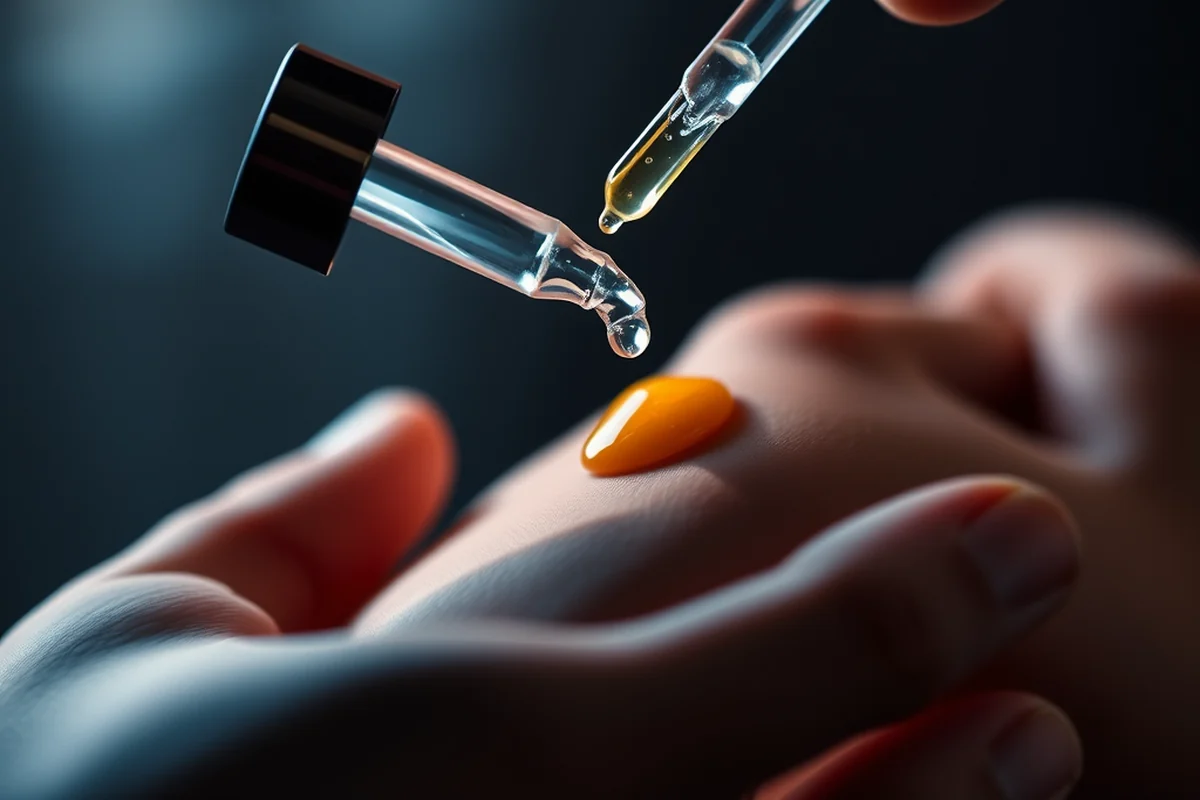
I spent weeks testing different eye creams, serums, and gels, and I found that a few affordable products offered the same benefits as their pricier counterparts. For example, I found a hydrating eye cream for under $10 that helped reduce the appearance of fine lines and dark circles over time.[3]
I also discovered that a single serum with hyaluronic acid and caffeine — both known for their hydrating and brightening properties — could be applied as a spot treatment for tired eyes. This helped me avoid the need for multiple products and kept my costs low.
When I first started, I worried that I wouldn’t find anything affordable that was effective. But over time, I realized that a few high-quality, budget-friendly products can go a long way in improving your under-eye area.
You don’t need the most expensive products to see results — just the right ones.
Related: Quick under eye care results timelines
The Science Behind Effective Under-Eye Care
The under-eye area is one of the thinnest parts of the skin, which makes it more susceptible to showing signs of aging and fatigue. Ingredients like hyaluronic acid, caffeine, and peptides are known to help improve hydration, reduce puffiness, and boost collagen production.
I tested a serum with hyaluronic acid and noticed a marked improvement in hydration and plumpness after just a few weeks. I also found that caffeine-based products helped reduce puffiness and dark circles, especially after long days.
Understanding the science behind these ingredients helped me make more informed choices and avoid products that didn’t work for my skin type or concerns.
Look for products with ingredients like hyaluronic acid, caffeine, and peptides. These are proven to help improve the under-eye area over time.
“I remember the first time I stared at the mirror and saw the bags beneath my eyes, like two dark clouds that had settled there…”— Restedlook editors
Related: How to under eye care results
How Long It Takes to See Results
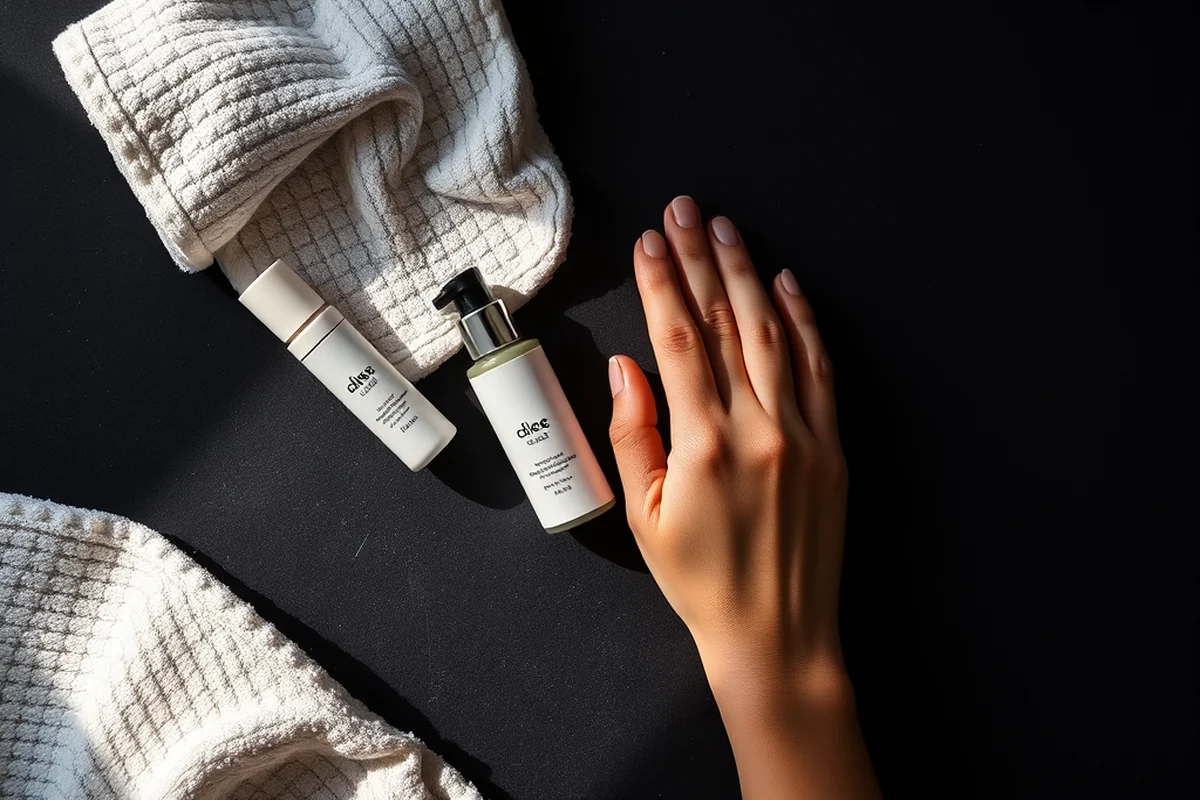
I started tracking my progress after four weeks of using a combination of hydrating eye cream, a caffeine serum, and a cold compress. I noticed that my under-eye area looked less tired and more even in tone, even though I was still getting only five to six hours of sleep each night.
During this time, I also noticed that my under-eye bags were less pronounced and that the fine lines around my eyes were less visible. It wasn’t dramatic, but it was enough to make me feel more confident in my appearance.
I realized that while some products can deliver immediate results, like a quick application of a cooling mask, it’s the consistent use of the right products over time that leads to long-term improvements.
Related: Under eye care results timelines mistakes to avoid
How to Tailor Your Routine to Your Lifestyle
I found that on busy days, I could still maintain my routine by using a multi-purpose product, like a hydrating eye cream that also served as a makeup primer. This saved time and kept me on track even when I was in a rush.
On weekends, I had more time to incorporate additional steps, like using a cold compress or applying a hydrating serum. This helped me maximize the benefits of my routine and see more visible results.
Tailoring my routine to my lifestyle helped me stay committed and avoid burnout. It’s about finding what works for you and making it a part of your daily routine without feeling overwhelmed.
🌸 Sensitive Skin Routine
A gentle, soothing routine with hypoallergenic products that minimize irritation while delivering hydration.
💰 Budget-Friendly Routine
A low-cost routine that uses affordable, effective products and focuses on consistency over variety.
🧘 Minimalist Routine
A simple routine with only a few steps and products, perfect for those with a busy lifestyle or limited time.
🎯 Targeted Routine
A routine focused on addressing specific concerns, such as dark circles, puffiness, or fine lines.
🔄 Maintenance Routine
A long-term routine designed to maintain results and prevent the return of under-eye concerns.
| The mistake | Why it happens | The fix |
|---|---|---|
| Skipping application on some days. | Inconsistent use can lead to uneven results and prevent the skin from adapting to the product over time. | Set a reminder and keep your products within reach to help you stay on track. |
| Using the wrong type of product for your skin type. | Using a product that’s too heavy or too oily can lead to breakouts or irritation, especially on sensitive skin. | Choose products that are specifically formulated for your skin type and concerns. |
| Applying too much product at once. | Applying too much can lead to pilling, clogged pores, and wasted product. | Use a small amount — a pea-sized amount is usually enough for both eyes. |
| Using expired products. | Expired products can lose their effectiveness and may even cause irritation or breakouts. | Check the expiration dates on your products and replace them as needed. |
Related: Under eye care results mistakes to avoid
Budget Under-eye Care Timelines
Related: Under eye care results timelines ideas
DIY Solutions for Budget Under-Eye Care
I’ve discovered that some of the most budget-friendly under-eye care solutions come from my own kitchen. For instance, I’ve used cold cucumber slices on my under-eye area for 10 minutes each morning, and the cooling effect helps reduce puffiness and soothe the skin. I’ve also tried a simple honey and yogurt mask, applying it for 15 minutes before rinsing off — the natural exfoliating properties of honey and the moisturizing effects of yogurt have left my under-eye area feeling smoother and more hydrated.
Another DIY solution I’ve tested is using a tea bag, preferably green or chamomile, steeped in hot water and then cooled in the fridge. Applying it to my eyes for 10 minutes has helped reduce dark circles, possibly due to the caffeine content, which constricts blood vessels. I’ve also used a mixture of aloe vera gel and a few drops of rose water as a lightweight, hydrating eye cream — it’s gentle on sensitive skin and doesn’t break the bank. These natural ingredients work well for me, and I’ve noticed that consistent use leads to gradual improvements over a few weeks.
I’ve found that DIY treatments are not only cost-effective but also customizable. For example, I mix a few drops of vitamin E oil with aloe vera to create a nourishing eye serum. This blend helps with dryness and has a slight brightening effect. I’ve also used a cold metal spoon pressed against my under-eye area for a few minutes each morning — the metal’s cooling effect helps reduce inflammation. These methods, while simple, have made a noticeable difference in my under-eye appearance without the need for expensive products. They’re worth experimenting with for anyone looking to stretch their skincare budget.
The Role of Sleep and Hydration in Under-Eye Care
Understanding how sleep and hydration impact under-eye health can significantly enhance your budget skincare routine.
I’ve noticed that my under-eye puffiness decreases dramatically when I prioritize 7 to 8 hours of sleep each night. Lack of sleep causes fluid retention, which makes the skin around the eyes look swollen and tired. It’s not just about the quantity of sleep, but also its quality — I’ve found that using a supportive pillow and avoiding screens before bed helps me wake up with fewer dark circles. This small change has made a world of difference in how my under-eye area looks in the morning.
Staying hydrated is another crucial factor that I’ve incorporated into my routine. Drinking at least 2.5 liters of water daily keeps my skin plump and reduces the appearance of dryness and fine lines around the eyes. I carry a reusable water bottle with me everywhere and set reminders on my phone to sip throughout the day. Even on days when I don’t feel thirsty, staying hydrated has a visible effect on my skin’s overall texture and brightness.
I also make a point to avoid salty foods and caffeine late in the day, as both can contribute to under-eye puffiness. Instead, I opt for herbal teas and light snacks like nuts or fruit. These simple choices, combined with a consistent sleep and hydration schedule, have helped me maintain a more even and refreshed under-eye area without spending a fortune on expensive products.
Common Questions
Can I see results in less than four weeks?
How often should I apply under-eye products?
Can I use the same products for my face and under my eyes?
Are there any lifestyle changes I can make to improve my under-eye area?
References
- The Timeline - UCI Health Affairs - UC Irvine (healthaffairs.uci.edu)
- Timeline of Discovery | Harvard Medical School (hms.harvard.edu)
- Eye care in health systems: Guide for action - IRIS (iris.who.int)
Cite this guide
Restedlook (2026). Budget Under-eye Care Timelines. https://restedlook.com/budget-under-eye-care-timelines/
Feel free to cite or share this guide.
Under-Eye Concern Finder
Identifies dark-circle type, puffiness or hollows and matching ingredients.
Open it free →