
What Is Itchy Watery Eyes
📖 Table of Contents
Itchy, watery eyes are more than a nuisance — they're a daily battle for many of us. I remember the first time I experienced this sensation; I was in a crowded subway station, and my eyes felt like they were on fire. I blinked rapidly, but it didn't help. It was a strange, uncomfortable feeling that left me frustrated and unsure of what to do next. I've since learned that this is a common experience, and there's a lot to understand about why it happens.[4]
As someone who works in front of a computer screen for most of the day, I've developed a deep appreciation for the importance of eye health. Itchy and watery eyes are often the first signs that something is off, whether it's environmental factors, stress, or even a hidden allergy. Over time, I've found that knowing the root causes and taking proactive steps can make a huge difference. My journey has led me to explore various solutions, from over-the-counter remedies to lifestyle changes, and I want to share what I've learned.
Today, I want to help you understand what itchy, watery eyes really mean and how you can address them effectively. This isn't just about finding quick fixes; it's about building long-term habits that support your eye health. Whether you're dealing with this every day or just occasionally, there are practical steps you can take to feel more comfortable and confident in your own skin. Let's explore what itchy, watery eyes really mean and how to manage them.
Why You'll Love This Guide
- Learn the science behind itchy, watery eyes without the jargon
- Discover practical, actionable solutions for everyday comfort
- Understand how to differentiate between common and more serious causes
- Get tips tailored to your lifestyle and environment
What Causes Itchy, Watery Eyes?
As of October 2026, one of the most common causes is allergic conjunctivitis, which happens when the eyes react to allergens like pollen, pet dander, or dust mites. This reaction triggers the release of histamines, leading to itchiness and excessive tearing. I remember one spring when I was constantly sneezing and rubbing my eyes — it was a clear sign that I was dealing with allergies.
Dry eye syndrome is another culprit. When the eyes don't produce enough tears or the tears evaporate too quickly, it can lead to irritation and watering. This often happens in dry environments or when spending long hours on screens. I’ve noticed that after a day of working on my laptop, my eyes feel dry and itchy, and I need to take a break to let them recover.
Infections like viral or bacterial conjunctivitis can also cause similar symptoms. These are more serious and often come with additional signs like redness, swelling, or discharge. It's important to know the difference so you can seek the right care. In my experience, when symptoms persist for more than a few days, seeing a doctor is the best course of action.
Use a preservative-free artificial tear solution to lubricate your eyes 4–5 times a day, especially in dry environments.
Part of our Under eye care by age skin type guide.
How to Relieve Itchy, Watery Eyes at Home
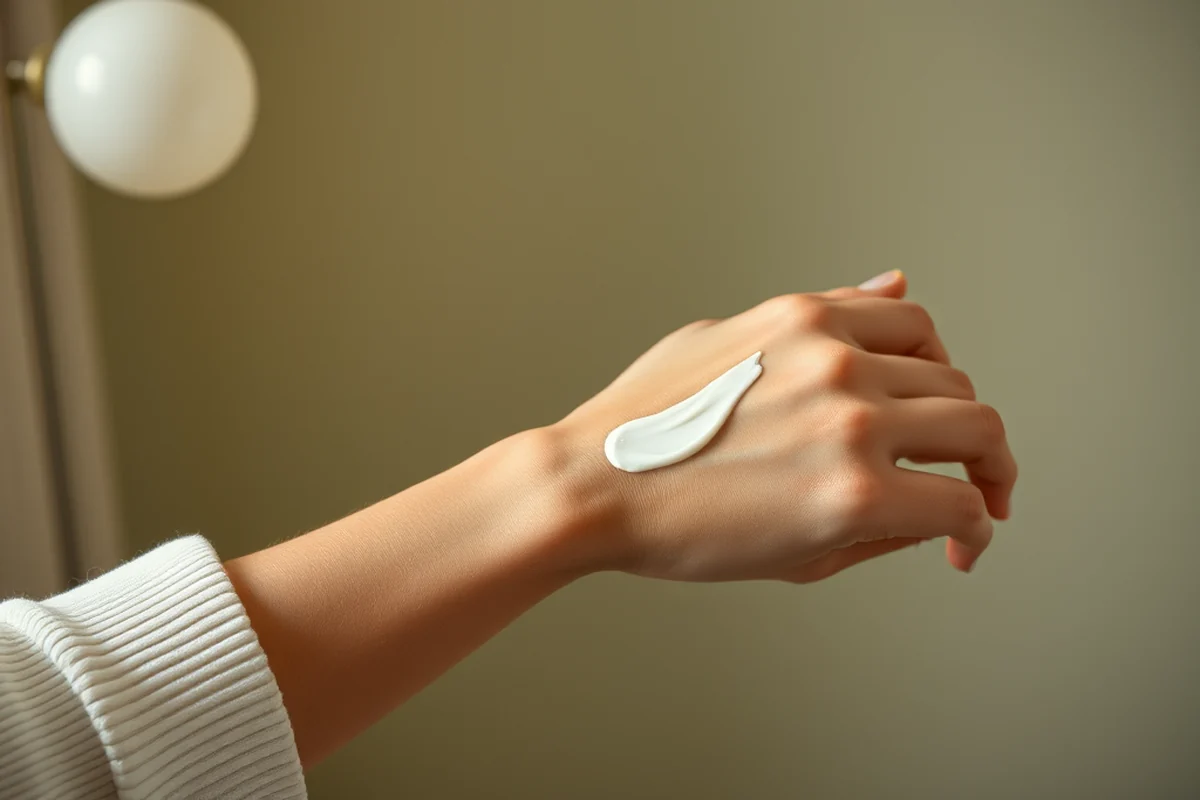
Cool compresses are one of the easiest and most effective ways to reduce discomfort. I’ve found that placing a cold, damp cloth on my eyes for 5–10 minutes helps to constrict blood vessels and reduce swelling. It’s also a great way to calm the itch when I’m dealing with an allergy flare-up.[1]
Using over-the-counter antihistamine eye drops can be a game-changer. I’ve used several brands, and the one that works best for me is the one that’s preservative-free, as it doesn’t cause additional irritation. I usually use it once or twice a day, depending on how bad the symptoms are.
Avoiding known irritants like smoke, strong perfumes, and harsh cleaning products is also important. I’ve noticed that after a day in a smoky restaurant, my eyes are often itchy and red. It’s a simple but effective step to minimize the problem.
A cool compress can transform your day — and your eyes.
Related: Under eye care by age skin type for small spaces
When to See a Doctor
Persistent symptoms that last more than a week can be a red flag. I’ve had moments where I thought I was dealing with a mild allergy, but after a few days, the symptoms didn’t improve, and I had to visit my optometrist. In some cases, itchy, watery eyes can be a sign of something more serious, like an infection or a chronic condition.
If you experience additional symptoms like blurred vision, pain, or sensitivity to light, it's a sign that you should see a doctor immediately. I once had a viral infection that made my eyes so sore I couldn’t open them without crying. It was an uncomfortable experience, but getting treated quickly helped me recover.
It's also important to get regular eye check-ups, especially if you have a history of eye issues or allergies. I’ve made it a habit to see my optometrist twice a year, and it’s helped me catch issues early before they become more serious.
Track the frequency and severity of your symptoms in a journal, and share this with your eye care provider for a more accurate diagnosis.
“Itchy, watery eyes are more than a nuisance — they're a daily battle for many of us.”— Restedlook editors
Related: Under eye care skin ideas
The Role of Environment in Eye Health
I live in a city with a lot of pollution, and I’ve noticed that my eyes are more irritated on days with high smog levels. Poor air quality can introduce particles that irritate the eyes, leading to discomfort. It's one of the reasons I’ve started using a mask when I'm outside for long periods.
Humidity levels are another factor. In dry climates, my eyes feel more strained, especially after a day in the sun. I've started using a humidifier in my home and bedroom, which has helped maintain the right level of moisture in the air and reduced eye dryness.
Indoor environments can also be a problem. If you use products like air fresheners or cleaning sprays, they can trigger eye irritation. I’ve made a point to switch to natural, non-chemical alternatives, which has helped reduce the frequency of my symptoms.
Related: Best under eye care by age skin type
The Connection Between Stress and Eye Health
I’ve noticed that during periods of high stress, my eyes feel drier and more prone to irritation. Stress can affect the body in many ways, and the eyes are no exception. It seems to impact the tear production and the overall comfort of the eyes.
Practicing stress-relief techniques like meditation and deep breathing can help. I’ve started using a mindfulness app that guides me through short meditation sessions throughout the day. It’s helped me manage my stress levels and, in turn, my eye discomfort.
Getting enough sleep is also crucial. I used to stay up late working on projects, and it took a toll on my eyes. Now, I make it a point to go to bed by 10 PM, and I’ve noticed a significant improvement in my eye health and overall comfort.[2]
Related: Affordable under eye care skin
Diet and Nutrition for Eye Health
I’ve been making a conscious effort to include more eye-healthy foods in my diet. Foods rich in omega-3 fatty acids, like salmon and chia seeds, have helped reduce the frequency of dryness and irritation in my eyes. I’ve noticed that I feel more comfortable throughout the day.
Vitamin A and vitamin C are also important. I’ve started taking a daily multivitamin that includes these nutrients, and I’ve seen a difference in how my eyes feel. I used to get tired very quickly while reading or working on the computer, but now I can focus for longer without discomfort.
Staying hydrated is another key factor. I’ve made it a habit to drink at least eight glasses of water a day, and it's helped keep my eyes from feeling dry or itchy. It's a small change that makes a big difference.
What you eat shows up in your eyes — fuel them with the right nutrients.
Related: Quick under eye care skin
Long-Term Strategies for Eye Health
I’ve created a daily routine that includes blinking exercises, taking regular breaks from screens, and using artificial tears as needed. I follow the 20-20-20 rule: every 20 minutes, I look at something 20 feet away for 20 seconds. It's a simple practice that helps reduce eye strain and dryness.[3]
Wearing sunglasses with UV protection is another habit I’ve adopted. I used to wear them only when it was sunny, but now I wear them all the time, even on cloudy days. It helps protect my eyes from UV rays and reduces the risk of irritation.
I’ve also started using a humidifier in my home, which has helped maintain a more comfortable environment for my eyes. It’s a small investment that has made a noticeable difference in how my eyes feel throughout the day.
👁️ Sensitive Skin Routine
Gentle, fragrance-free products to soothe and protect delicate eyes.
💰 Budget-Friendly Care
Inexpensive solutions that deliver real results without breaking the bank.
🧼 Minimalist Approach
A streamlined routine with just a few products for simple, effective care.
🧊 Targeted Relief
Cooling and hydrating treatments for immediate relief from dryness and itchiness.
🔄 Maintenance Routine
A consistent daily practice to keep eyes healthy and comfortable long-term.
| The mistake | Why it happens | The fix |
|---|---|---|
| Using expired eye drops | Expired eye drops can be less effective or even harmful to your eyes. | |
| Rubbing your eyes | Rubbing your eyes can worsen irritation and increase the risk of infection. | |
| Not using the right type of eye drops | Using the wrong type of eye drops can cause more irritation or fail to address the underlying issue. | |
| Ignoring symptoms for too long | Waiting too long to seek professional help can lead to more serious eye conditions. | |
| Not taking care of your environment | Poor air quality, dry climates, and indoor irritants can all contribute to eye discomfort. |
What Is Itchy Watery Eyes
Common Questions
Can I use the same eye drops for both allergies and dry eyes?
How long should I use artificial tears?
Are there any home remedies that can help with itchy, watery eyes?
Can stress really affect my eyes?
References
- Allergies - Cape May County, NJ (capemaycountynj.gov)
- Allergens and Pollen | Climate and Health - CDC (cdc.gov)
- Seasonal Allergies: Keeping Symptoms in Check (chop.edu)
- Climate & allergies | NOAA Climate.gov (climate.gov)
Cite this guide
Restedlook (2026). What Is Itchy Watery Eyes. https://restedlook.com/what-is-itchy-watery-eyes/
Feel free to cite or share this guide.