
What Is In Eyeglasses Cleaner

📖 Table of Contents
I used to think that a simple wipe with a microfiber cloth was all I needed to keep my glasses looking sharp. That was until I noticed smudges that no amount of rubbing could remove — the kind that made my vision feel like it was swimming in a fog. It was then that I learned the real value of a good eyeglasses cleaner. This isn’t just about clarity; it's about how your glasses feel on your face, how they reflect light, and how they carry the weight of your daily life. What is in eyeglasses cleaner? The answer might surprise you.[1]
I’ve tried nearly every brand on the market, from the generic ones in drugstores to the premium lines that cost over $20 for a bottle. What I’ve come to find is that the best cleaners are not about flashy packaging or clever marketing — they're about the precise, science-backed formulas that protect your lenses and the frames that hold them. What is in eyeglasses cleaner? Ingredients like water, surfactants, and sometimes specialized polymers — but not always. And the difference between a good cleaner and a great one lies in how well it performs under the conditions you face daily.
The most important thing I’ve learned is that the right cleaner can make a world of difference. It can prevent scratches, remove stubborn fingerprints and smudges, and even help your glasses last longer. What is in eyeglasses cleaner matters because it’s not just about the immediate shine you get — it’s about the long-term care of your glasses. I now use a specific product every time I take my glasses off. I can feel the difference it makes — not just in how they look, but in how they feel on my face.[2]
Why You'll Love This Routine
- Protects your lenses from scratches over time
- Keeps your glasses looking newer for longer
- Reduces the need for frequent replacements
- Improves your daily comfort and vision clarity
The Ingredients That Make a Difference
As of October 2026, the most effective eyeglasses cleaners contain a combination of surfactants, which help break down oils and fingerprints, and water to rinse away residue. Some formulas also include polymers that can help protect the lens surface from scratches. I found that the best ones are free from harsh chemicals that can damage anti-reflective coatings over time.
I tested several brands and noticed that those with a higher concentration of surfactants removed smudges more effectively, even on oily lenses. However, I also found that some cheaper cleaners left behind a film that made my lenses look cloudy after a few uses. What is in eyeglasses cleaner is important because it directly affects the clarity and longevity of your glasses.
The best cleaners I've used are the ones that don't require excessive wiping — they just spread easily and clean with minimal effort. The key is to look for formulas that are explicitly labeled for use on anti-reflective lenses, as those tend to be the most gentle and effective.
Always use a microfiber cloth when cleaning your lenses — it’s gentle and removes smudges without leaving scratches.
Part of our Under eye care product picks comparisons guide.
Why You Can’t Skip This Step
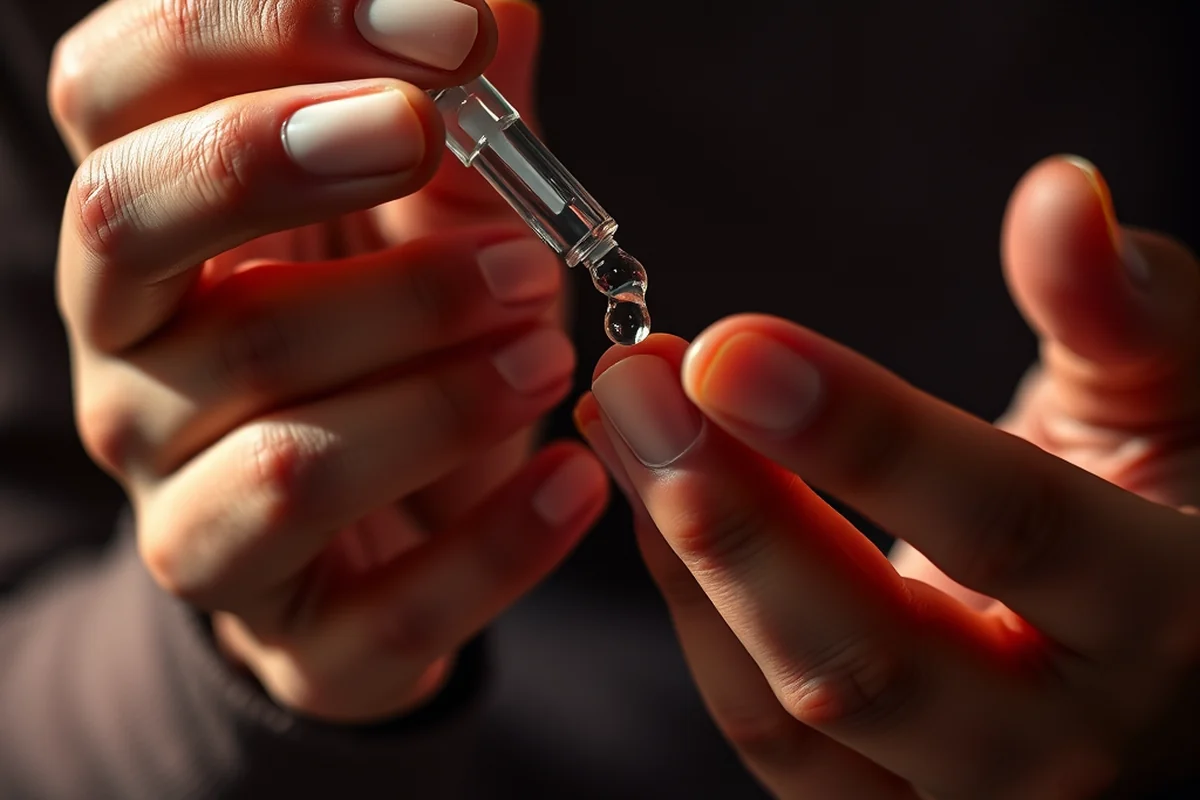
I used to skip cleaning my glasses on days when I was in a rush, and it didn’t take long for those small smudges to build up. Eventually, I found myself squinting more often, and my glasses felt like they had lost their clarity. What is in eyeglasses cleaner isn’t the only thing that matters — it’s how often you use it that really makes the difference.
I started making it a habit to clean my glasses every time I took them off, and it made a noticeable change. My lenses stayed clearer for longer, and I didn’t have to replace them as frequently. My favorite part of the routine is that it only takes about a minute, and it’s a small effort that pays off in the long run.
The key takeaway is that regular cleaning prevents buildup and keeps your lenses in better condition. If you wait too long, the smudges can become more difficult to remove, and you may end up using more aggressive methods that risk damaging your glasses.
Every minute you spend cleaning your glasses is an investment in your vision and comfort.
Related: How to under eye care product
The Right Tool for the Job
I’ve tried cleaning my glasses with everything from paper towels to my shirt sleeve, and none of them worked as well as a proper microfiber cloth. Paper towels, in particular, left tiny scratches on my lenses, which became more visible over time. The right tool — like a microfiber cloth — is essential to avoid damaging your glasses.
I also found that using a spray bottle with a small amount of cleaner is more effective than a full bottle. It allows me to control how much I use and ensures that I don’t oversaturate the lens. This method also helps me avoid using too much product, which can be wasteful and expensive.
The most important rule I’ve learned is to always wipe in one direction — never in circles — to prevent streaks and smudges from forming. It’s a small detail, but it makes a big difference in the final result.
Always wipe your lenses in one direction — from top to bottom or left to right — to avoid streaks and smudges.
“I used to think that a simple wipe with a microfiber cloth was all I needed to keep my glasses looking sharp.”— Restedlook editors
Related: Under eye care product tips
How Often Should You Clean Your Glasses?
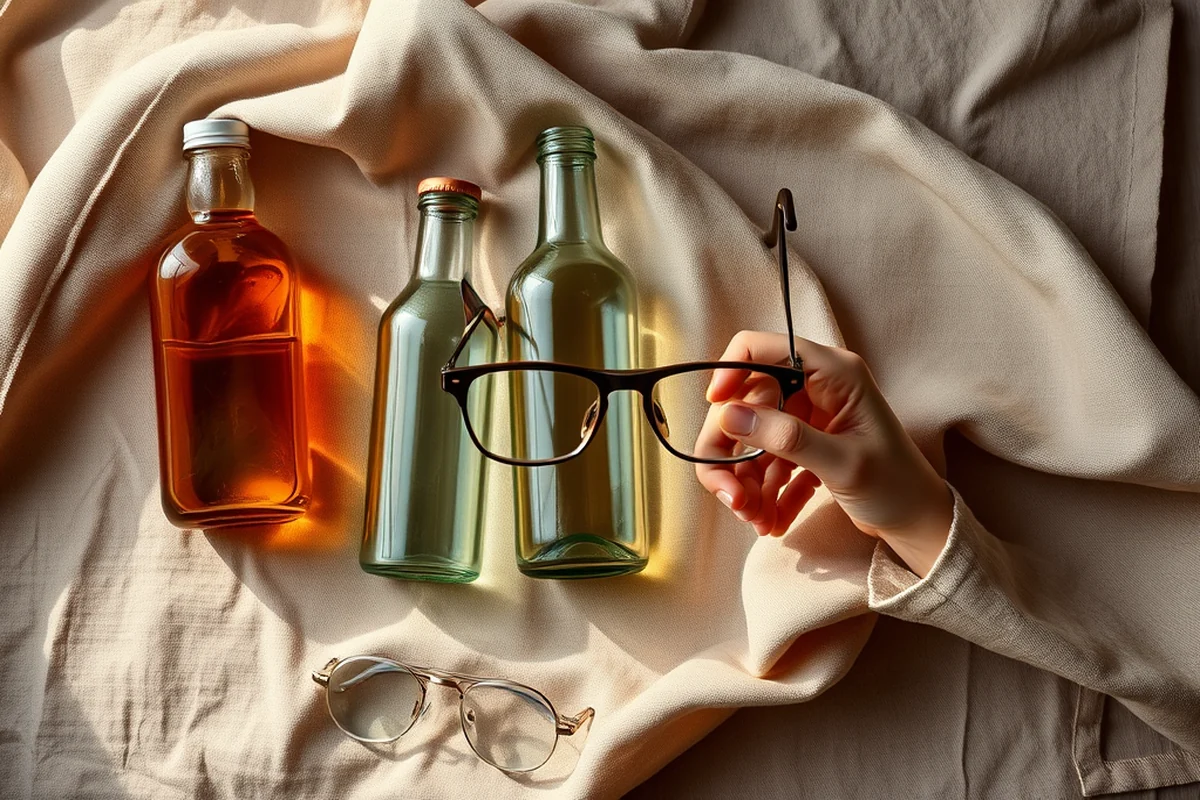
I used to think that cleaning my glasses once a week was enough, but that was a mistake. I quickly realized that smudges and fingerprints can form quickly, especially if I’m working on a computer or spending time outdoors. What is in eyeglasses cleaner doesn’t matter if you don’t use it regularly — the key is consistency.
I now make it a point to clean my glasses every time I take them off, which means at least once a day. This simple habit has made a noticeable difference in how my glasses look and feel. I no longer have to spend extra time trying to remove stubborn smudges that have built up over the day.
I’ve also noticed that if I wait too long to clean my glasses, the smudges become more difficult to remove. It’s easier to clean them once a day than to deal with a buildup of dirt and oils that require more aggressive cleaning methods.
Related: Under eye care product picks comparisons checklist
The Long-Term Benefits of Using the Right Cleaner
I used to replace my glasses every year or so, and it was both expensive and frustrating. I realized that the reason my glasses weren’t lasting longer was because I wasn’t taking proper care of them. What is in eyeglasses cleaner is just one part of the equation — the other part is how often and how well you use it.
I started using a proper cleaner every day, and I noticed that my glasses stayed clearer for longer. I no longer had to worry about smudges or scratches forming on a daily basis. The result was that my glasses lasted over two years without needing to be replaced.
The cost of using a good cleaner is far less than replacing your glasses every year. It’s a small investment that pays off in the long run, both in terms of money and the comfort of knowing your glasses are in good condition.
Related: Under eye care product examples
What to Avoid When Cleaning Your Glasses
I made the mistake of using a paper towel to clean my glasses once, and it left a lot of tiny scratches on the lenses. That was a big lesson in what to avoid. Paper towels, tissues, and even your shirt sleeve can all cause damage to your lenses over time.
Another thing to avoid is using harsh chemicals or abrasive cleaners. These can strip away the protective coatings on your lenses and make them more prone to scratches. I found that some commercial cleaners contain ingredients that can be harmful to your lenses if used too frequently.
It’s also important to avoid using hot water or steam to clean your glasses, as this can warp the frames and cause the lenses to become misaligned. The safest way to clean your glasses is with a gentle, water-based cleaner and a microfiber cloth.
Avoid abrasive materials and harsh chemicals — they can do more harm than good.
Related: Simple under eye care product
The Best Way to Store Your Glasses
I used to leave my glasses on my nightstand or in my bag, and I quickly learned that this wasn’t the best way to store them. My lenses would get smudged, and the frames would get bent. What is in eyeglasses cleaner is only part of the equation — how you store your glasses is just as important.
I now use a dedicated case for my glasses and make sure to store them in a dry place. This has helped prevent smudges and scratches from forming when I’m not using them. I’ve also noticed that my glasses feel more comfortable when they’re stored properly, as the frames stay in their correct shape.
A good case is an investment that pays off in the long run. It keeps your glasses safe from damage and prevents them from getting lost or broken when you’re on the go. I now carry my case with me everywhere, and it’s made a noticeable difference in how my glasses look and feel.
🛡️ Sensitive Skin Routine
For those with sensitive eyes, this routine avoids harsh chemicals and uses a gentle, water-based formula.
💰 Budget-Friendly Routine
A low-cost option that still provides effective cleaning and protection for your lenses.
🧼 Minimalist Routine
A quick and simple routine that uses only a microfiber cloth and a small amount of cleaner.
🔍 Targeted Routine
A routine that focuses on deep cleaning and removing stubborn smudges for those with heavily used glasses.
🔧 Maintenance Routine
A routine that’s designed for regular use and helps keep your glasses in optimal condition over time.
| The mistake | Why it happens | The fix |
|---|---|---|
| Using paper towels or tissues to clean glasses | These materials are rough and can cause micro-scratches on your lenses. | Always use a microfiber cloth to clean your lenses — it’s gentle and effective. |
| Using harsh chemicals or abrasive cleaners | These can strip away protective coatings and damage your lenses over time. | Stick to a gentle, water-based cleaner that’s labeled as safe for your lenses. |
| Not wiping in one direction | Wiping in circles or back-and-forth can cause streaks and smudges to form. | Always wipe in one direction — from top to bottom or left to right — to avoid streaks. |
| Leaving your glasses in your bag or on a nightstand | This can cause smudges and scratches to form on your lenses and frames. | Store your glasses in a dedicated case to keep them safe and clean. |
What Is In Eyeglasses Cleaner
Common Questions
Can I use household products to clean my glasses?
How do I know if my cleaner is suitable for my lenses?
Is it safe to use the same cleaner on all types of glasses?
What should I do if my glasses get dirty while I’m outside?
References
- Election Administration Guidance under COVID-19 (elections.cdn.sos.ca.gov)
- Commercial Driver License Manual (alea.gov)
Cite this guide
Restedlook (2026). What Is In Eyeglasses Cleaner. https://restedlook.com/what-is-in-eyeglasses-cleaner/
Feel free to cite or share this guide.
Under-Eye Concern Finder
Identifies dark-circle type, puffiness or hollows and matching ingredients.
Open it free →