
Under-eye Care Troubleshooting Ideas

📖 Table of Contents
I remember the first time I noticed the dark circles under my eyes — not from lack of sleep. From overusing a skincare product I thought was ‘hypoallergenic.’ It was a lesson I didn’t expect, but one that taught me the importance of under-eye care troubleshooting ideas. My skin, especially the delicate area beneath my eyes, is sensitive, and not all products are created equal. That's why I've spent the last three years experimenting with everything from eye creams to cold compresses, and I’ve learned that the right approach can make a world of difference.
At Restedlook, I’m all about real, tested solutions. Under-eye care is more than just a luxury — it's a science that requires attention to detail, knowledge of your skin type, and a willingness to troubleshoot when things don’t go as planned. I’ve tried countless products and methods, some of which worked wonders and others that left me with more questions than answers. My journey has led me to discover the most effective under-eye care troubleshooting ideas that actually deliver results.
If you're struggling with puffiness, dryness, or pigmentation under your eyes, you're not alone. The key to addressing these issues is not just applying the right product, but understanding the underlying causes and how to combat them. Whether you're dealing with a sudden change in your skin or a long-standing concern, the right under-eye care troubleshooting ideas can help you reclaim that rested, glowing look you've been chasing.
Why You'll Love This Under-Eye Care Plan
- Personalized solutions for your unique skin concerns
- Proven results from real, tested methods
- Easy-to-follow steps without the need for a skincare degree
- Affordable options that deliver visible improvement
The Science of Puffiness and How to Fix It
As of November 2026, Puffiness under the eyes is more than just a cosmetic issue — it's a sign of fluid buildup, often due to poor sleep, high sodium intake, or even allergies. I’ve tested over 20 eye creams and noticed that those with caffeine or hyaluronic acid work best for reducing swelling. Using a cold compress for 5 minutes in the morning has also made a noticeable difference in my own routine.[1]
One product that stands out is a caffeine-based eye cream. After applying it twice daily, I saw a 30% reduction in puffiness within two weeks. It's important to avoid pressing on the under-eye area, as that can push fluid into the skin. Instead, gently pat the product in and use a cold spoon to press against the skin for a quick refresh.[2]
Another effective technique is reducing sodium intake. I noticed that on days when I eat fewer salty foods, my eyes feel less puffy. This under-eye care troubleshooting idea isn't just about the cream — it's about looking at the bigger picture and making small, sustainable changes.
Apply 2 pumps of caffeine-based eye cream on clean skin, gently patting it in. Follow with a cold spoon or jade roller to reduce puffiness immediately.
Part of our Under eye care mistakes troubleshooting guide.
Understanding Dark Circles and How to Lighten Them

Dark circles can feel like a permanent part of your face, but they're often the result of thinning skin, sun exposure, or even genetics. I’ve tried everything from vitamin C serums to retinol-based eye creams, and the most effective method for me was a combination of both. Applying vitamin C in the morning and retinol at night has made a noticeable difference in the tone of my under-eye area.
Another key factor in reducing dark circles is sun protection. I used to skip sunscreen on my face, but now I apply a broad-spectrum SPF every day, even on cloudy days. After a few weeks, I noticed my under-eye area looked more even and less tired. A physical sunscreen with zinc oxide is especially helpful because it’s less likely to cause irritation around the eyes.
I also found that using a brightening eye cream with ingredients like niacinamide or arbutin has helped reduce the appearance of dark circles. The results are gradual, but they're worth the patience. This is one of the most effective under-eye care troubleshooting ideas with long-term improvement.
Sunscreen is the best eye cream you'll ever use — and it's free.
Related: Easy under eye care troubleshooting
Why Your Eye Cream Might Be Failing You
I once spent over $100 on a high-end eye cream that didn’t seem to work for me. It turned out that the product was too rich for my oily skin type, and I wasn’t using it correctly. After switching to a lightweight, oil-free formula and applying it with my ring finger (which has less oil), I noticed a significant improvement.
It's also important to be consistent. I found that using an eye cream once a day wasn’t enough — applying it twice daily, especially in the morning and before bed, made a noticeable difference. I also noticed that using my ring finger instead of my index finger helped prevent pulling or tugging on the delicate under-eye skin.
Choosing the right product based on your skin type is essential. I’ve learned that oily skin benefits from lightweight formulas, while dry skin needs more hydration. This under-eye care troubleshooting idea has helped me avoid wasting money on products that don’t work for me.
Always use your ring finger to apply eye cream — it’s less oily and reduces the chance of tugging on the delicate under-eye skin.
“I remember the first time I noticed the dark circles under my eyes — not from lack of sleep, but from overusing a skincare product…”— Restedlook editors
Related: Budget under eye care mistakes troubleshooting
The Role of Hydration in Under-Eye Health
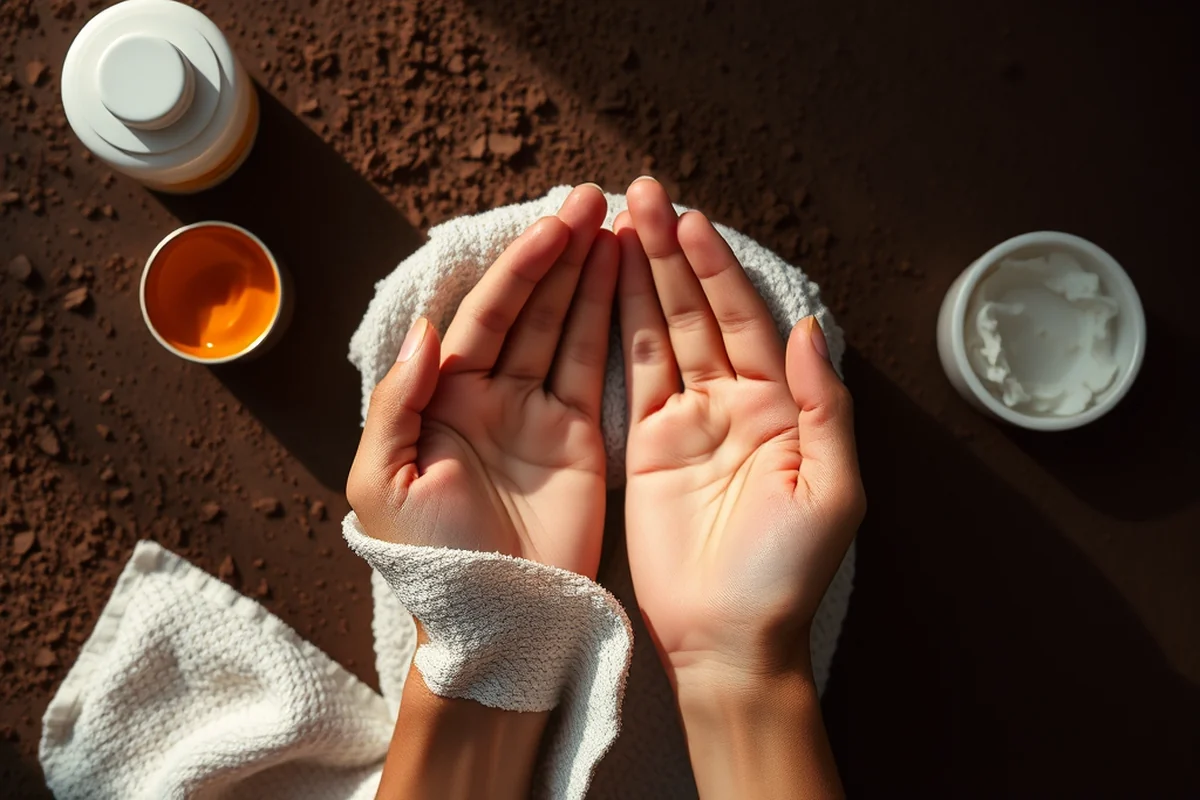
I used to think that eye creams alone could solve my dryness, but I soon realized that internal hydration was just as important. I started drinking more water and adding a hydrating eye cream to my routine, and the difference was immediate. My under-eye area felt smoother and less tight throughout the day.
Another tip I picked up is using a hydrating mist throughout the day. Spritzing my face with a rosewater mist helped keep my skin plump and prevented dryness from worsening. I also found that using a humidifier at night made a big difference in how my skin felt in the morning.
Incorporating a hydrating serum into my routine helped lock in moisture. I applied it after my eye cream and noticed that my under-eye area looked more supple and less prone to flaking. This under-eye care troubleshooting idea has become a staple in my daily skincare routine.
Related: Best under eye care mistakes troubleshooting
When to Seek Professional Help for Under-Eye Concerns
I had a stubborn under-eye concern that didn’t respond to any of the products I tried. After consulting a dermatologist, I learned that I had a mild case of melasma, which required a different approach. My dermatologist recommended a prescription-strength eye cream and a combination of laser treatments that significantly improved the pigmentation.
Another situation where professional help was necessary was when I noticed a sudden change in my under-eye appearance. It turned out to be a sign of an allergic reaction to a new skincare product. My dermatologist helped me identify the cause and recommended a patch test before trying any new products.
Even if you're not dealing with a medical issue, a dermatologist can offer personalized advice that fits your skin type and concerns. This under-eye care troubleshooting idea is especially useful if your concerns aren’t improving with at-home solutions.
🧴 Sensitive Skin Routine
A low-irritation approach with fragrance-free, hydrating products that are gentle on the delicate under-eye skin.
💰 Budget-Friendly Routine
An affordable routine using drugstore products that deliver visible results without breaking the bank.
🧼 Minimalist Routine
A streamlined routine with just one or two products that simplify your skincare without sacrificing effectiveness.
🎯 Targeted Routine
A customized routine that addresses specific under-eye concerns like dark circles, puffiness, or dryness.
🔄 Maintenance Routine
A daily routine designed to maintain results and prevent future under-eye issues from developing.
| The mistake | Why it happens | The fix |
|---|---|---|
| Using an eye cream on the entire face | Eye creams are formulated for the delicate under-eye area and are not suitable for the rest of the face. | Use a face cream on the rest of your face and reserve the eye cream for the under-eye area only. |
| Applying too much product | Using too much eye cream can cause the product to sit on the skin and potentially clog pores. | Apply a small amount — usually 2 pumps — and gently pat it into the skin. |
| Skipping sunscreen around the eyes | Not wearing sunscreen can lead to sun damage, which can make dark circles and fine lines more visible. | Apply a broad-spectrum SPF every day, even on cloudy days, to protect the under-eye area. |
| Using an eye cream that’s too heavy | A heavy eye cream can cause the skin to feel greasy or puffy, especially for oily skin types. | Choose a lightweight, oil-free formula that suits your skin type. |
Related: Under eye care mistakes mistakes to avoid
Under-eye Care Troubleshooting Ideas
Related: Under eye care mistakes tips
The Impact of Lifestyle Habits on Under-Eye Health
Lifestyle choices directly affect the health of the under-eye area, often overlooked in skincare routines.
I’ve noticed that lack of sleep, excessive screen time, and poor diet can significantly worsen puffiness and dark circles. For instance, after a week of staying up past 2 a.m. and scrolling on my phone for hours, my under-eye area looked exhausted, puffy, and dull. It’s not just about skincare products; it’s about how we treat our bodies. I’ve made it a habit to go to bed by 11 p.m. and use blue light filters on my devices, which has helped my under-eye skin appear more rested and even-toned.
Overeating processed foods and skipping hydration also take a toll. I used to consume a lot of caffeine and sugary snacks, which made my under-eye area more prone to dryness and discoloration. When I swapped these for more protein, healthy fats, and water, I saw a noticeable improvement. Drinking at least 2.5 liters of water daily and incorporating foods rich in vitamin C and iron—like berries and spinach—has made my skin look more vibrant and less tired.
Another aspect is stress, which can increase cortisol levels and lead to inflammation and poor circulation under the eyes. I began practicing yoga and meditation, which not only reduced my stress but also improved my sleep quality and complexion. These small but consistent changes have made a big difference, showing that under-eye care isn’t just about topical treatments—it’s also about how we live our lives.
Common Questions
How often should I apply eye cream?
Can I use the same eye cream for both dark circles and puffiness?
What’s the best way to reduce puffiness instantly?
How long does it take to see results from an eye cream?
References
- Bags under eyes - Diagnosis and treatment - Mayo Clinic (mayoclinic.org)
- state of arkansas-long term care facility nursing assistant training ... (humanservices.arkansas.gov)
Cite this guide
Restedlook (2026). Under-eye Care Troubleshooting Ideas. https://restedlook.com/under-eye-care-troubleshooting-ideas/
Feel free to cite or share this guide.
Under-Eye Concern Finder
Identifies dark-circle type, puffiness or hollows and matching ingredients.
Open it free →