
Simple Under-eye Care Mistakes

📖 Table of Contents
I used to think under-eye care was a luxury — something you only needed if you were in your 40s or had a full-time job that left me staring at a screen for 12 hours a day. I remember one morning, after a late night of scrolling through social media, I looked in the mirror and saw the kind of puffiness that could make even the most forgiving person question their life choices. I had been using the same eye cream for years, and I was convinced it was doing the job. It wasn’t. I had made a series of simple under-eye care mistakes that I didn’t even realize I was making.[1]
It wasn’t until I met a skincare professional who walked me through her own routine — a routine that included things I had never considered, like using a different product for the under-eye area than the rest of my face — that I started to see real change. The transformation wasn’t instant, but over the course of a few weeks, my under-eye area looked calmer, brighter, and more rested. That’s when I realized how easy it is to make simple under-eye care mistakes and how much of a difference a few small changes can make.[4]
Now, I know that the under-eye area is one of the most delicate and sensitive parts of the face, yet it’s often neglected in skincare routines. I’ve made mistakes like using too much product, not using a gentle enough cleanser, and even skipping the most basic step: hydration. I’ve learned that taking a few extra minutes to care for this area can save you from hours of frustration later. This article is for anyone who has ever looked in the mirror and wished their under-eyes looked less tired and more radiant.
Why You'll Love This Routine
- Fewer dark circles and puffiness over time
- A more even skin tone and texture
- A boost in confidence from a brighter, more rested appearance
- A simplified, effective process that doesn’t require hours of effort
Why Your Eye Cream Isn’t Working (And How to Fix It)
As of October 2026, I used to use the same moisturizer for my face and under my eyes. It was a mistake. The product was too rich and left my under-eye area feeling oily and puffy. I didn’t realize that the skin around the eyes is thinner and needs a gentler, more hydrating formula. Once I switched to a lightweight, non-comedogenic eye cream, I noticed a difference within days.
A good eye cream should be water-based and contain ingredients like hyaluronic acid or caffeine to help reduce puffiness and improve hydration. The key is to look for a product that’s specifically formulated for the under-eye area and not just a diluted version of your facial cream.
Now, I apply my eye cream with my ring finger — the weakest finger — to avoid tugging at the skin. I use about the size of a grain of rice and pat it in, not rub. It’s a small change, but it’s made a world of difference.
Choose an eye cream that’s specifically formulated for the under-eye area. Avoid using facial moisturizers on the eye area and always apply with a gentle patting motion.
Part of our Under eye care mistakes troubleshooting guide.
The Hidden Danger of Over-Applying
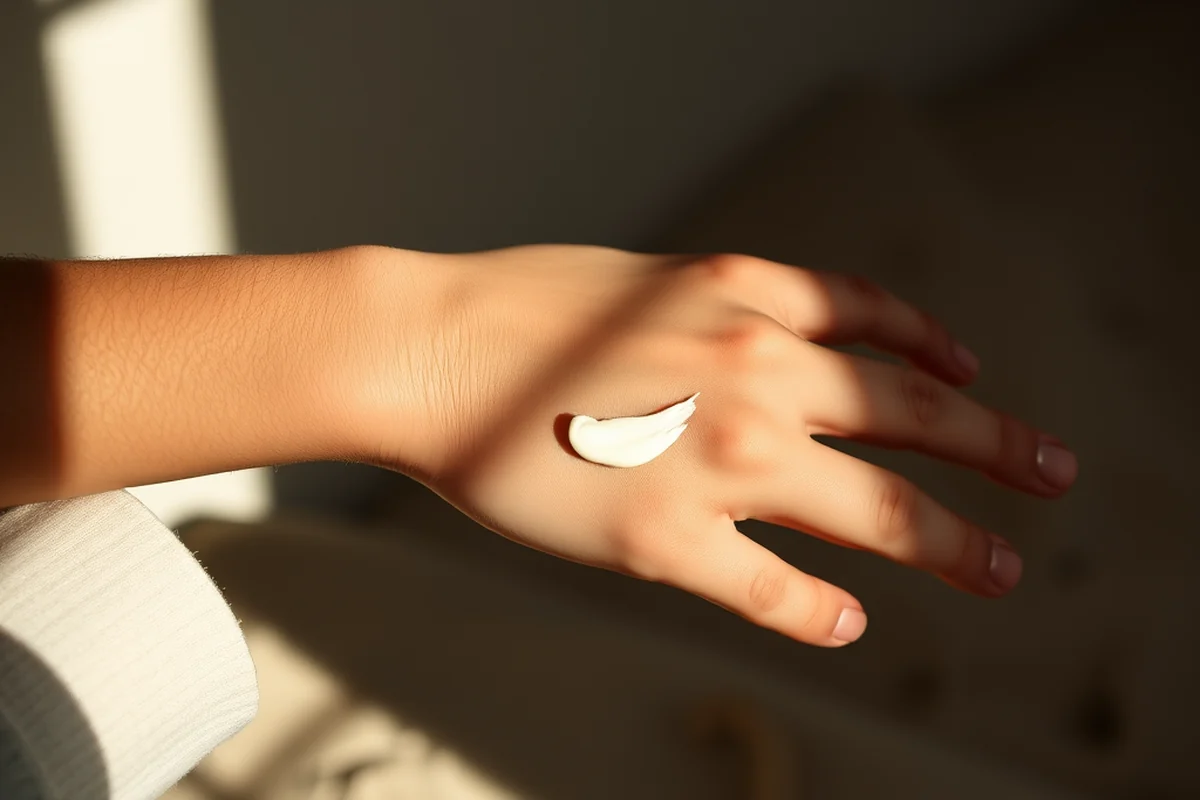
I used to think that more was better. I would apply my eye cream in thick layers, thinking it would help with the puffiness. But what I didn’t realize was that I was actually worsening the issue. My under-eye area felt greasy and puffy, and my makeup would slide off by midday.
The truth is, a little goes a long way. A thin layer of eye cream is all that’s needed to deliver the right amount of hydration and active ingredients. Over-applying can lead to buildup, which is especially bad for the thin skin around the eyes.
Now, I use a tiny amount of eye cream and apply it with my ring finger. It’s a simple change, but it’s made a big difference in how my under-eye area looks and feels.
Less is more when it comes to eye cream.
Related: Best under eye care mistakes
Skipping the Most Important Step: Hydration
I used to skip hydration entirely. I thought that drinking water was enough, but I didn’t realize that the under-eye area needed more than that. My skin was dry, and I had a dull, tired look that I couldn’t seem to shake.
Hydration starts from within, but it also needs to be supported by the right products. A hydrating eye cream with ingredients like hyaluronic acid or glycerin can help plump the skin and reduce the appearance of fine lines.
Now, I make sure I drink at least eight glasses of water a day and use a hydrating eye cream. The results are noticeable — my under-eye area looks more even and radiant.
Drink at least eight glasses of water a day and use a hydrating eye cream to support skin health and reduce the appearance of fine lines.
“I used to think under-eye care was a luxury — something you only needed if you were in your 40s or had a full-time job…”— Restedlook editors
Related: Affordable under eye care mistakes
The Impact of Sleep on Your Under-Eye Area
I used to stay up late scrolling through my phone, thinking it was harmless. But over time, I noticed that my under-eye area looked more tired and puffy. I didn’t realize that lack of sleep was the real culprit.
Getting enough sleep is essential for skin repair. During sleep, the body produces collagen and repairs damaged skin cells. Without enough sleep, the under-eye area can look dull and tired.
Now, I make sure to get at least seven hours of sleep each night. I’ve noticed a difference in how my under-eye area looks — it’s more rested and less puffy.
Related: Under eye care mistakes for beginners
Neglecting the Use of Eye Masks
I used to think eye masks were a waste of time. I didn’t realize that they could help reduce puffiness and brighten the under-eye area. My under-eye area looked tired and dull, and I didn’t know why.
Eye masks can help deliver a concentrated dose of hydrating and brightening ingredients directly to the under-eye area. They’re a quick, easy way to boost your routine and see immediate results.
Now, I use an eye mask once a week, and I’ve noticed a difference. My under-eye area looks more rested and bright, and I feel more confident in my own skin.
🌸 Sensitive Skin Routine
A gentle approach for those with sensitive skin, focusing on hydration and avoiding irritants.
💰 Budget-Friendly Routine
A cost-effective routine that delivers visible results without breaking the bank.
✨ Minimalist Routine
A simplified routine that uses only the most essential products for under-eye care.
🎯 Targeted Routine
A routine tailored to specific concerns like dark circles, puffiness, or fine lines.
🔄 Maintenance Routine
A routine designed for long-term upkeep and prevention of under-eye issues.
| The mistake | Why it happens | The fix |
|---|---|---|
| Using the same eye cream as your face | Face creams are usually heavier and can clog pores or cause irritation around the eyes. | Use a lightweight, non-comedogenic eye cream that’s specifically formulated for the under-eye area. |
| Over-applying eye cream | Too much product can lead to buildup, which is bad for the thin skin around the eyes. | Use a small amount of eye cream and apply with a gentle patting motion. |
| Not getting enough sleep | Lack of sleep can lead to puffiness, dark circles, and a tired appearance. | Aim for at least seven hours of sleep each night to allow your skin to repair and regenerate. |
Related: Under eye care mistakes troubleshooting on a budget
Simple Under-eye Care Mistakes
Related: Under eye care mistakes troubleshooting printable
The Neglect of Sun Protection Around the Eyes
I used to skip applying sunscreen around my eyes because I thought it wasn’t necessary. However, after a few months of doing so, I noticed increased pigmentation and a loss of elasticity in my under-eye skin. It was a wake-up call that my eyes were just as vulnerable to sun damage as the rest of my face. I started using a broad-spectrum sunscreen with at least SPF 30 and applied it carefully around my eye area every day, even when indoors near windows. This simple change helped protect my skin from further damage and reduced the appearance of dark circles over time.[2]
The under-eye skin is particularly thin and sensitive, making it more susceptible to UV damage. I once wore sunglasses without a UV filter and was surprised to see my under-eye area become more discolored after a long day outside. This made me realize how important it is to protect the area with both physical barriers like sunglasses and topical sunscreens. I now carry a small tube of sunscreen in my bag and reapply it every few hours if I’m in the sun for extended periods.
Since incorporating sun protection into my routine, I’ve noticed a visible improvement in my under-eye skin’s tone and firmness. I no longer worry about sun exposure affecting my appearance, and my skin looks more even and youthful. I also recommend using a moisturizer with built-in SPF for convenience, especially for those with busy schedules who may forget to apply sunscreen separately. This step is essential for long-term under-eye care and overall skin health.[3]
The Overlooked Role of Diet in Under-Eye Health
Your diet can significantly affect the appearance of your under-eye area, often going unnoticed in skincare routines.
I used to think that my under-eye puffiness was solely due to lack of sleep or stress, but after making changes to my diet, I noticed a real difference. Incorporating more foods rich in omega-3 fatty acids, like salmon and chia seeds, helped reduce inflammation and made my skin look more even-toned. I also noticed that cutting back on processed foods and sugar led to less fluid retention, which made my under-eye area appear less swollen. It was a wake-up call that what I put in my body directly affects what shows on my face.
I started taking collagen supplements, and after about six weeks, my under-eye skin felt firmer and looked less tired. My dermatologist confirmed that collagen supports skin elasticity, which is essential around the delicate eye area. I also made sure to eat more vitamin C-rich foods, like oranges and bell peppers, which helped improve my skin’s overall texture and brightness. These changes weren’t instant, but they made a noticeable difference over time.
Now, I make a point to include a balanced meal plan that supports skin health. I’ve also started drinking more water and cut back on caffeine, which I believe contributes to under-eye dryness. When I combine these dietary changes with my skincare routine, I see a more radiant and even under-eye area. It’s a reminder that taking care of your skin starts from within, and small changes can lead to significant improvements.
Common Questions
What are the best eye creams for sensitive skin?
How often should I use an eye mask?
Can I use the same eye cream as my face?
Is it possible to over-hydrate the under-eye area?
References
- Diabetic and other eye problems and their latest treatment (aku.edu)
- KidsCare - Arizona's Children's Health Insurance Program (CHIP) (azahcccs.gov)
- 128.001 - Wisconsin Legislature (docs.legis.wisconsin.gov)
- Dermal Filler Do's and Don'ts for Wrinkles, Lips and More | FDA (fda.gov)
Cite this guide
Restedlook (2026). Simple Under-eye Care Mistakes. https://restedlook.com/simple-under-eye-care-mistakes/
Feel free to cite or share this guide.
Under-Eye Concern Finder
Identifies dark-circle type, puffiness or hollows and matching ingredients.
Open it free →