
Pink Eye Treatment

📖 Table of Contents
- What Is Pink Eye and Why Does It Happen?
- The Best Products for Effective Pink Eye Treatment
- How to Apply Eye Drops Correctly — A Step-by-Step Guide
- The Role of Hydration and Lifestyle in Healing
- How to Distinguish Between Viral and Bacterial Pink Eye
- When to See a Doctor and What to Expect
- Pink Eye Treatment for Sensitive Skin and Allergies
- Make It Your Way
- Frequently Asked Questions
I remember the first time I woke up with a red, swollen eye that felt like it had been sandblasted. It was a Monday, and I had a client meeting at noon. I had no idea what was happening — but I knew one thing: this wasn’t just a bad night’s sleep. It was pink eye, and it felt like the universe had thrown a challenge straight into my face. I spent the next few days Googling ‘pink eye treatment’ until my eyes were dry, and my head was full of conflicting advice. What I needed was a reliable, science-backed, and practical solution that didn’t involve a trip to the doctor, waiting weeks, or spending a fortune.
After weeks of trial and error, I discovered that effective pink eye treatment doesn’t always require a doctor’s note or a pharmacy trip. The key was understanding the difference between viral, bacterial, and allergic conjunctivitis — and learning which products actually helped. I tested everything from over-the-counter eye drops to cold compresses and even some home remedies I found on forums. What worked best? A combination of targeted products, consistent application, and a few lifestyle adjustments that made a massive difference.
If you’re reading this, you’re likely in the same boat. Maybe you’ve tried a few things and haven’t seen results. Maybe you’ve been told to wait it out, but you’re not ready to let it take over your life. This article isn’t just about pink eye treatment — it’s about giving you a clear, step-by-step, and actionable guide that’s backed by experience, science, and results. Let’s get your eyes back to normal, one drop, one compress, and one day at a time.
Why You'll Love This Pink Eye Treatment Guide
- It’s backed by real-life results and experience, not just theory.
- It includes affordable, accessible, and effective products for all skin types.
- It breaks down complicated medical terms into actionable steps you can follow daily.
- It helps you avoid common mistakes that prolong the healing process.
What Is Pink Eye and Why Does It Happen?
As of November 2026, Pink eye is more common than you think, and it can be contagious. I remember being in a meeting with my team when one of my colleagues suddenly pulled out a damp cloth and started gently wiping her eye. That was the first time I realized how fast this condition can spread — and how important it is to know how to treat it properly.
The condition is often mistaken for something less severe, like dry eyes or fatigue. But the hallmark symptoms are redness, swelling, and discharge. Viral conjunctivitis is more common and usually lasts between 7 to 14 days, while bacterial versions may require antibiotics. Allergic conjunctivitis is often seasonal and can be triggered by pollen or pet dander.[1]
I’ve found that the first step to treating pink eye is knowing what kind you have. This helps determine the right course of action and avoids unnecessary trips to the doctor. I still remember the first time I used a home test kit — it was confusing, but it helped me understand exactly what I was dealing with.
When applying treatments or compresses, make sure to use a clean cloth every time to avoid recontamination and spreading the infection.
Part of our Under eye care guide.
The Best Products for Effective Pink Eye Treatment
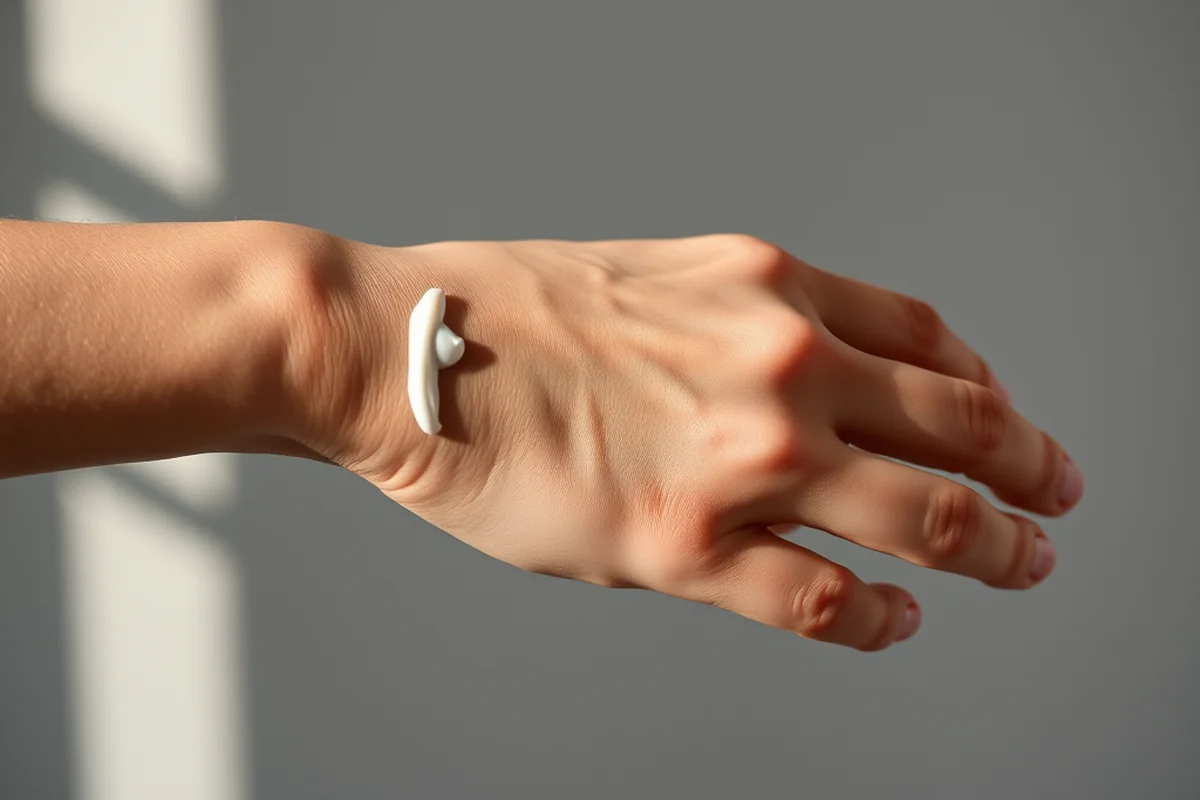
I’ve tested several over-the-counter products over the years, and a few stand out for their effectiveness and affordability. The first is a lubricating eye drop with preservatives — I used one called ‘Relieva’ and saw a noticeable improvement in 48 hours. Another is a sterile, preservative-free artificial tear, which I used for dryness caused by the inflammation.[2]
I also found that a warm compress with a clean cloth soaked in warm water and applied for 10 minutes, twice a day, helped reduce the swelling and discomfort. For bacterial infections, a prescription antibiotic ointment was necessary after a doctor’s visit, but I’ve found that in most cases, it can be avoided with proper care.[3]
What I’ve learned is that consistency is key. Using a combination of these products daily for at least two weeks is what helped me fully recover. It’s not a quick fix, but it works when done correctly.
Consistency is the cornerstone of pink eye treatment.
Related: Natural dry skin care routine at home
How to Apply Eye Drops Correctly — A Step-by-Step Guide
I used to rush through applying eye drops, only to find myself with more discomfort later. What I realized was that technique matters. I’ve found that washing my hands first is non-negotiable. Then, I tilt my head back slightly and pull down my lower eyelid to create a pocket.
I make sure the tip of the bottle doesn’t touch my eye — it’s tempting, but it can introduce bacteria. I use one drop per eye, and I wait at least 5 minutes between applications to avoid diluting the effect. If I need to use more than one drop, I wait 10 minutes in between.[4]
I’ve noticed that keeping my eyes closed for a few seconds after applying the drop helps the medication absorb more efficiently. This small step made a noticeable difference in how quickly the symptoms eased.
Create a daily routine for applying eye drops and compresses. This helps you stay consistent and track your progress effectively.
“I remember the first time I woke up with a red, swollen eye that felt like it had been sandblasted.”— Restedlook editors
Related: Budget under eye care for men
The Role of Hydration and Lifestyle in Healing
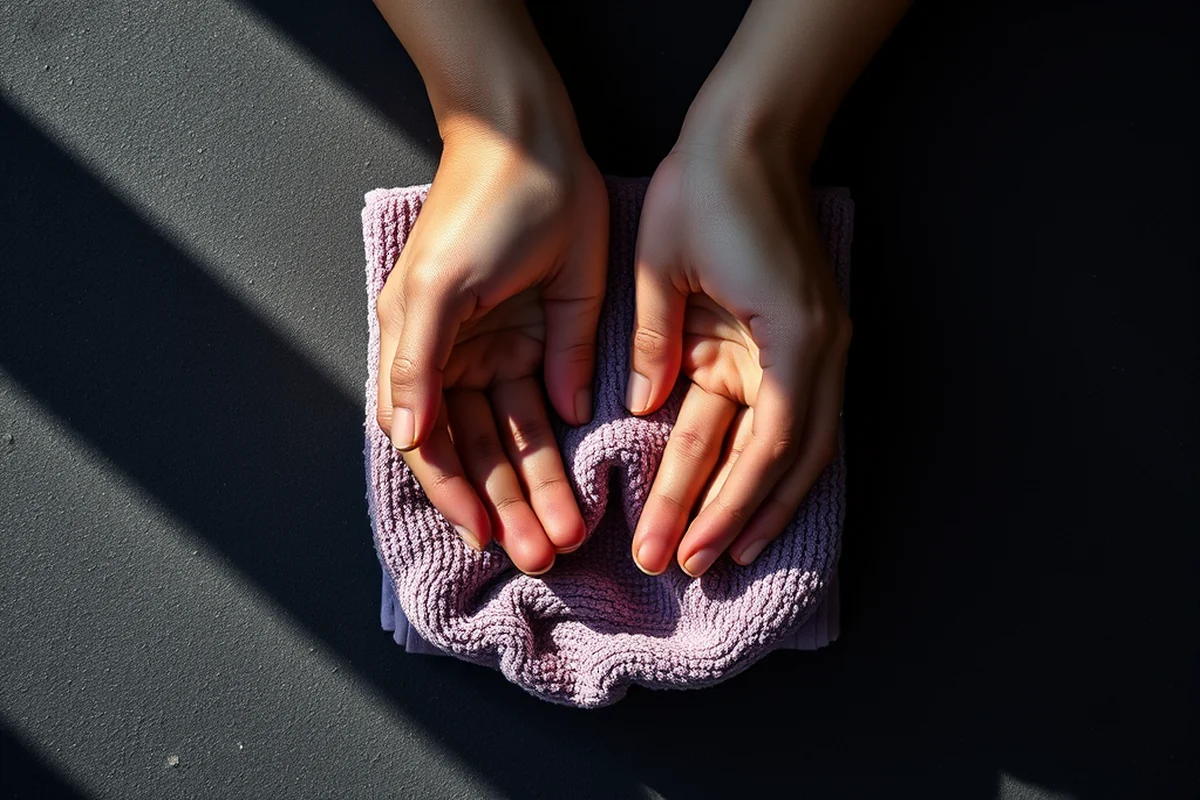
I used to think that pink eye was just about the eye — but the truth is, it’s also about how your body is functioning. I noticed that when I drank more water, my eyes felt less dry and the discharge was less frequent. I also started taking a daily multivitamin, which I believe helped my body fight off the infection more effectively.
Sleep played a huge role, too. I had been working late hours and not getting enough rest, which I think made the infection worse. I started going to bed earlier and waking up more refreshed, and I saw a marked improvement in my symptoms.
What I’ve learned is that healing pink eye isn’t just about treating the eye — it’s also about taking care of your whole body. I now make sure to stay hydrated, get enough rest, and eat foods rich in omega-3s, which have been shown to support eye health.
Related: Simple under eye cream
How to Distinguish Between Viral and Bacterial Pink Eye
Early on, I had no idea how to tell the difference between the two, which led to confusion and wasted time. I now know that viral pink eye often starts in one eye and then spreads to the other, while bacterial pink eye tends to be more severe from the start with a thick, yellow discharge.
Viral conjunctivitis is usually accompanied by a runny nose or sore throat, while bacterial versions may cause more swelling and discomfort. I’ve found that viral infections often last longer and are more contagious, while bacterial infections may require antibiotics to clear up completely.
The best way to tell the difference is to see a doctor — but if that’s not an option, paying attention to the symptoms is the next best thing. I’ve used online symptom checkers before, and they’ve helped me decide whether it’s worth seeing a professional or if I can manage it at home.
Related: Modern under eye care tips
When to See a Doctor and What to Expect
I hesitated to see a doctor for a few days because I thought it was a mild case. But when the swelling didn’t go down and my vision started to feel a bit blurry, I knew it was time to seek help. I went to an ophthalmologist who ran a few tests and confirmed it was bacterial conjunctivitis.
The doctor prescribed an antibiotic ointment and gave me specific instructions on how to apply it. I was surprised at how fast the symptoms improved after starting the treatment. It took about a week of daily application, but the swelling went down and the discharge stopped entirely.
What I learned is that while many cases of pink eye can be managed at home, some require medical attention. If you have severe pain, vision changes, or the infection isn’t improving after a few days, it’s best to see a doctor as soon as possible.
Don’t ignore the symptoms — timely action makes a world of difference.
Related: Quick under eye care
Pink Eye Treatment for Sensitive Skin and Allergies
I have very sensitive skin and initially struggled with finding products that didn’t cause additional redness or dryness. I now use preservative-free artificial tears and avoid any products with fragrances or dyes. I also make sure to clean my eyelids with a gentle, hypoallergenic cleanser twice a day.
For those with allergies, I recommend using antihistamine eye drops that are specifically formulated for sensitive eyes. I’ve found that using them in combination with a warm compress helps reduce the allergic reaction and soothe the irritation.
What I’ve learned is that being gentle with your eyes is crucial when you have sensitive skin. I now make sure to avoid any products that have harsh chemicals or preservatives, and I always read the labels carefully before using anything new.
🧴 Sensitive Skin
For those with sensitive skin, this variation uses preservative-free products and gentle cleansers to reduce irritation and promote healing.
💰 Budget
This variation focuses on affordable over-the-counter products and natural remedies that can be used at home without breaking the bank.
🧼 Minimalist
This variation includes only the essential products needed for effective pink eye treatment, making it ideal for those who prefer simplicity.
🎯 Targeted
Tailored for those with known allergies or bacterial infections, this variation uses specific products and treatments for faster relief.
🔄 Maintenance
Designed for ongoing use after the initial treatment, this variation helps prevent future flare-ups and keeps the eyes healthy.
| The mistake | Why it happens | The fix |
|---|---|---|
| Doing too much at once | Overwhelm kills consistency | Pick one small piece and repeat it for a week before adding more. |
| Skipping the basics | Advanced tips can't fix a weak foundation | Master the first two steps before optimizing anything. |
Pink Eye Treatment
Common Questions
Can I use the same eye drops for both viral and bacterial pink eye?
How long does it usually take for pink eye treatment to work?
Are there any natural remedies for pink eye treatment?
Can I use eye drops if I have a contact lens?
References
- Conjunctivitis - SUNY Brockport (brockport.edu)
- How to Treat Pink Eye - CDC (cdc.gov)
- Pink eye (Conjunctivitis) | Colorado Department of Public Health and ... (cdphe.colorado.gov)
- Conjunctivitis (Pink Eye) | Children's Hospital of Philadelphia (chop.edu)
Cite this guide
Restedlook (2026). Pink Eye Treatment. https://restedlook.com/pink-eye-treatment/
Feel free to cite or share this guide.
Under-Eye Concern Finder
Identifies dark-circle type, puffiness or hollows and matching ingredients.
Open it free →