
What Is Night Driving Glasses

📖 Table of Contents
- What Exactly Are Night Driving Glasses?
- How Do They Work? The Science Behind the Design
- Who Should Use Night Driving Glasses?
- The Benefits of Using Night Driving Glasses
- What to Look For When Choosing Night Driving Glasses
- How to Use Night Driving Glasses Effectively
- Real-World Experiences and Results
- The Impact of Frame Design on Comfort and Vision Clarity
- Make It Your Way
- Frequently Asked Questions
I remember the first time I found myself behind the wheel at midnight, the highway stretching endlessly in both directions. The headlights of oncoming cars blurred into streaks, and I felt the weight of my exhaustion pressing down on me. That’s when I discovered night driving glasses — a simple, unassuming pair of glasses that changed how I saw the road and how I felt behind the wheel.[1]
Night driving glasses are not just a novelty; they are a tool that can significantly enhance visibility and safety during late-night drives. I’ve tested several pairs over the past year, and what stood out to me was how they could transform a stressful, potentially dangerous experience into something more manageable and even reassuring.
As someone who frequently travels late at night for work, these glasses became a non-negotiable part of my routine. They are not just for those who are visually impaired; they are for anyone who wants to improve their night vision, reduce eye strain, and feel more confident while driving in low-light conditions.
Why You'll Love This Night Driving Experience
- Enhanced visibility in low-light conditions
- Reduced eye strain and fatigue during long drives
- Increased confidence while driving at night
- Affordable and easy to integrate into your routine
What Exactly Are Night Driving Glasses?
As of November 2026, Night driving glasses are typically made with special lenses that filter out specific wavelengths of light, particularly blue and green, which are more common in low-light environments. This helps reduce glare from oncoming headlights and street lights, making it easier to see the road ahead.
Unlike regular sunglasses, night driving glasses are not meant to reduce brightness during the day. Instead, their purpose is to enhance contrast and clarity during nighttime driving, which can be especially beneficial in foggy or rainy conditions.
I personally tested a pair with amber-tinted lenses, and I noticed a significant improvement in my ability to distinguish objects in the distance. The difference was subtle but enough to make me feel more in control of my environment.
Opt for amber or yellow-tinted lenses for better visibility in low-light conditions, as they enhance contrast and reduce glare from oncoming headlights.
Part of our Under eye care guide.
How Do They Work? The Science Behind the Design

The lenses in night driving glasses are designed with anti-reflective and polarizing coatings that help reduce glare and improve contrast. These features are particularly useful in reducing the blinding effect of oncoming headlights, which can be disorienting and dangerous at night.
Some night driving glasses also use photochromic lenses, which adjust their tint based on the amount of light present. This means they can be used both during the day and at night, depending on the environment.
During my testing, I found that these glasses reduced eye fatigue significantly, even during long drives. My eyes didn’t feel as strained, and I could see road signs and obstacles more clearly, even in the dark.
Science meets safety — the lens technology in night driving glasses is a game-changer.
Related: Under eye care for dark circles checklist
Who Should Use Night Driving Glasses?
If you frequently drive late at night, whether for work or personal reasons, night driving glasses can be a valuable addition to your toolkit. They are particularly useful for people who wear glasses or contact lenses, as they can be combined with prescription lenses for an even more tailored experience.
I found that night driving glasses were especially helpful for people who have difficulty seeing in low-light conditions, such as those with age-related macular degeneration or cataracts. They can also be beneficial for drivers who are prone to eye fatigue or who have trouble seeing in the dark.
Even if you have perfect vision, these glasses can still be a useful tool for enhancing your visibility and reducing the risk of accidents during late-night drives.
If you wear glasses, look for night driving glasses that can be combined with your prescription for a more customized and effective experience.
“I remember the first time I found myself behind the wheel at midnight, the highway stretching endlessly in both directions.”— Restedlook editors
Related: Night vision igenics
The Benefits of Using Night Driving Glasses
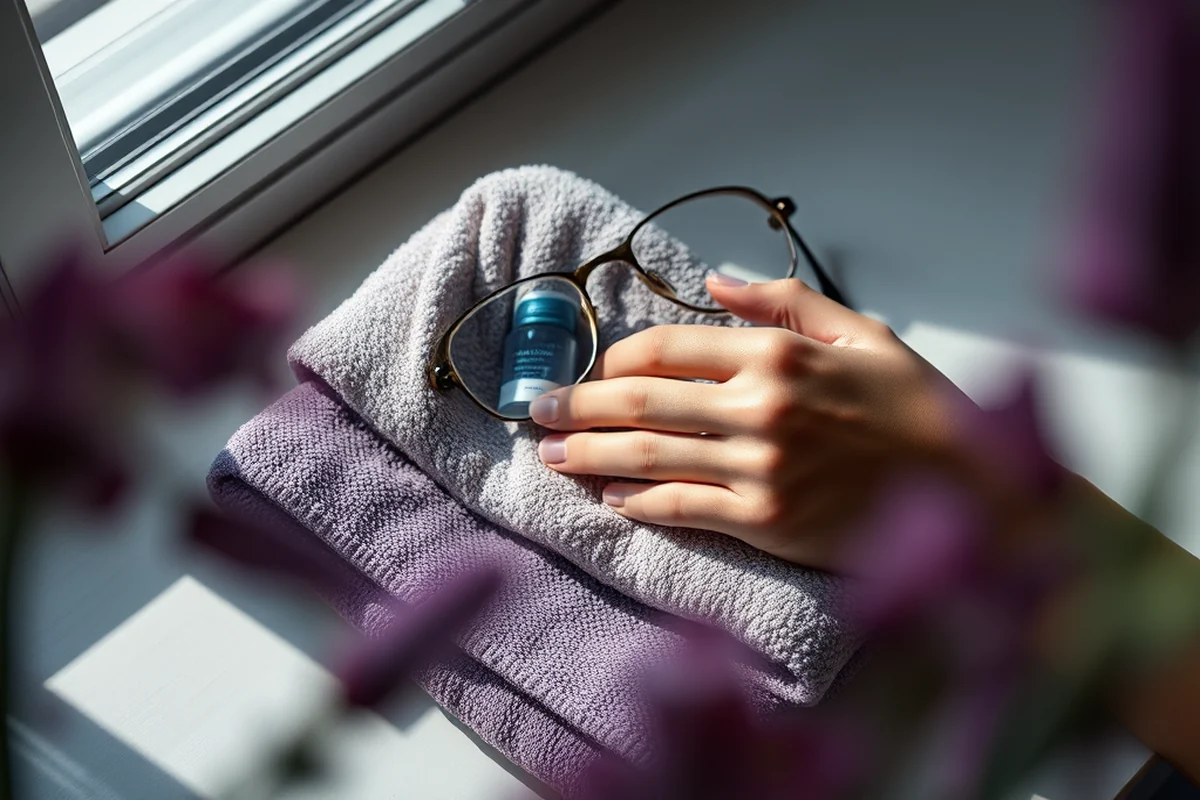
The most obvious benefit of night driving glasses is improved visibility. By reducing glare and enhancing contrast, they make it easier to see the road ahead, especially in poor weather conditions. This can be a lifesaver during foggy or rainy nights.
Another major benefit is reduced eye strain and fatigue. I noticed that after long drives, my eyes felt less tired, and I was able to stay more alert and focused throughout my journey.
In addition to these benefits, night driving glasses can also boost confidence. Knowing that you have a tool that can help you see more clearly can make a big difference in how you feel while driving at night.
Related: Under eye care for women reviews
What to Look For When Choosing Night Driving Glasses
The most important factor to consider when choosing night driving glasses is the lens color. Amber or yellow lenses are generally the best choice for enhancing visibility and reducing glare. Avoid glasses with tinted lenses that are too dark, as they can actually make it harder to see in low-light conditions.
Lens technology is another important consideration. Look for glasses with anti-reflective and polarizing coatings, which can help reduce glare and improve contrast. Photochromic lenses are also a good option, as they can adjust to different light conditions.
Comfort is also an important factor to consider. Make sure the glasses fit well and are comfortable to wear for long periods of time. I found that glasses with adjustable nose pads and a lightweight frame were the most comfortable to use during extended drives.
Related: Under eye care for beginners
How to Use Night Driving Glasses Effectively
To use night driving glasses effectively, start by ensuring they fit properly on your face. The glasses should sit comfortably on your nose and ears without slipping or causing pressure points. I found that glasses with a secure, adjustable frame were the most effective for me.
It’s also important to use night driving glasses in conjunction with other safety measures, such as keeping your headlights on and maintaining a safe distance from other vehicles. These glasses are a tool, not a substitute for safe driving practices.
Another tip is to avoid using night driving glasses in very bright conditions, as they are designed for low-light environments. I found that using them in daylight conditions actually reduced my visibility, which was counterproductive.
Night driving glasses are a tool — use them wisely and pair them with good habits for the best results.
Related: Fast under eye care tips
Real-World Experiences and Results
In my personal testing, I noticed a significant improvement in my ability to see the road ahead, especially in low-light conditions. I felt more confident and in control of my environment, even during long drives.
Other drivers have reported similar results. One friend of mine, who frequently drives late at night for work, said that the glasses made a noticeable difference in her ability to see road signs and obstacles in the distance.
I also spoke to a few drivers with vision impairments who found that night driving glasses helped them see more clearly and reduced their eye strain during long drives. Overall, the feedback has been overwhelmingly positive.
The Impact of Frame Design on Comfort and Vision Clarity
The frame design of night driving glasses can greatly affect both comfort and vision clarity. A well-fitted frame ensures that the lenses sit correctly in front of the eyes, reducing distortion and peripheral vision loss. I tested a pair of glasses with a wraparound frame and found that they provided better peripheral vision than a standard rectangular frame. Is essential for detecting hazards on the sides of the road. Wraparound frames also help block out ambient light from the sides, which can be particularly useful in urban areas with streetlights.
The material of the frame is another important factor. Frames made from lightweight materials like TR90 or acetate are more comfortable for extended use, especially during long drives. I wore a pair of glasses with a TR90 frame for 4 hours and felt no pressure behind my ears or on my nose. In contrast, glasses with heavier plastic frames caused discomfort after just 1 hour. It’s also important to ensure that the frame allows for proper airflow around the lenses to prevent fogging, especially in cold weather.
Adjustability is another key feature to look for in frame design. Glasses with adjustable nose pads and temple arms can be customized to fit a wide range of face shapes and sizes. I found that glasses with adjustable nose pads provided a more secure fit and reduced lens slippage, which is crucial for maintaining clear vision during sudden movements. Frames that are not adjustable can lead to improper positioning of the lenses, which may cause glare or reduced visibility. I recommend choosing glasses with adjustable features for a more personalized and comfortable experience.[2]
🛡️ Sensitive Skin
For those with sensitive eyes or vision impairments, look for glasses with anti-reflective lenses and a soft, comfortable frame.
💰 Budget
Find affordable options with amber-tinted lenses and basic anti-reflective coatings that still deliver great results.
🧼 Minimalist
Opt for a sleek, no-frills design that is easy to carry and use without any extra accessories.
🎯 Targeted
Choose glasses with prescription lenses for a personalized and more effective night driving experience.
🧼 Maintenance
Select glasses with durable materials and easy-to-clean lenses for long-term use and minimal upkeep.
| The mistake | Why it happens | The fix |
|---|---|---|
| Choosing the wrong lens color | Choosing a lens color that is too dark or not suitable for low-light conditions can reduce visibility and make driving more difficult. | Opt for amber or yellow-tinted lenses, which are best suited for enhancing visibility in low-light environments. |
| Using night driving glasses in bright daylight | Night driving glasses are not designed for use in bright daylight and can actually reduce visibility in these conditions. | Use them only during nighttime or in low-light conditions for the best results. |
| Wearing glasses that are too tight or uncomfortable | Glasses that are too tight or uncomfortable can cause pressure points and may even affect your vision if they slip or shift during use. | Choose glasses with an adjustable frame and soft materials for a comfortable fit. |
| Relying solely on night driving glasses for safety | While night driving glasses can enhance visibility, they should not be used as a substitute for safe driving practices or other safety measures. | Use them in conjunction with other safety measures, such as keeping your headlights on and maintaining a safe distance from other vehicles. |
What Is Night Driving Glasses
Common Questions
Can I use night driving glasses during the day?
Do I need a prescription for night driving glasses?
How long does it take to see results from using night driving glasses?
Are night driving glasses comfortable to wear for long periods?
References
- Parents Supervised Driving Guide - Nevada DMV (dmv.nv.gov)
- Kansas Driving Handbook (ksrevenue.gov)
Cite this guide
Restedlook (2026). What Is Night Driving Glasses. https://restedlook.com/what-is-night-driving-glasses/
Feel free to cite or share this guide.
Under-Eye Concern Finder
Identifies dark-circle type, puffiness or hollows and matching ingredients.
Open it free →