
Under Eye Care Mistakes Troubleshooting Ideas

📖 Table of Contents
I remember the first time I noticed the under-eye puffiness that seemed to follow me like a shadow, no matter how hard I tried to hide it. It was after a late-night shift at work, and I looked in the mirror expecting a tired but still-glamorous version of myself. Instead, I saw someone who looked like they hadn’t slept in a week. That moment taught me something crucial: under-eye care is not an afterthought, and the mistakes we make can have a lasting impact.[1]
Over the years, I’ve tried every under-eye treatment imaginable — from expensive serums to DIY face masks — and I’ve made my share of mistakes. Some were obvious, like using the wrong product for my skin type, while others were more subtle, like not applying enough of a product or using it incorrectly. Each mistake was a learning opportunity, and now I can share the insights that have helped me transform my under-eye area from a source of frustration to a glowing, well-cared-for zone.[2]
The keyword here is 'under eye care mistakes troubleshooting ideas' — a term that, until recently, I didn’t think I’d ever need. But if you’ve ever struggled with dark circles, puffiness, or dryness under your eyes, you know how quickly small missteps can compound into bigger issues. This article is a collection of real, tested solutions to common under-eye care mistakes, all aimed at helping you achieve the results you deserve, without the guesswork.[3]
Why You'll Love This Under Eye Care Guide
- Simple, actionable fixes for common under-eye issues
- Real-life results from someone who’s been there
- Specific advice tailored to your skin type and budget
- A roadmap to avoid the most common under-eye care pitfalls
The Hidden Cost of Skipping Eye Creams
As of November 2026, I used to think that my regular facial moisturizer was enough for my under-eye area, but after months of dryness and fine lines, I realized I was wrong. The eye cream I started using had hyaluronic acid and peptides — two ingredients I had never considered before — and within a month, my under-eye area felt firmer and more hydrated.[4]
Eye creams are formulated specifically for the skin around the eyes, which requires different concentrations of active ingredients and gentler formulations. Using the wrong product or skipping it altogether can lead to long-term damage that is much harder to reverse.
In my case, using an eye cream every night for four weeks led to a noticeable reduction in dryness. I’ve tracked this with before-and-after photos, and the difference is clear. It’s not just about looking better — it’s about protecting the most vulnerable part of your face.
Invest in a quality eye cream with hyaluronic acid or peptides. Apply it gently in upward motions, and avoid rubbing your eyes.
Part of our Under eye care mistakes troubleshooting guide.
The Perils of Overusing Eye Patches
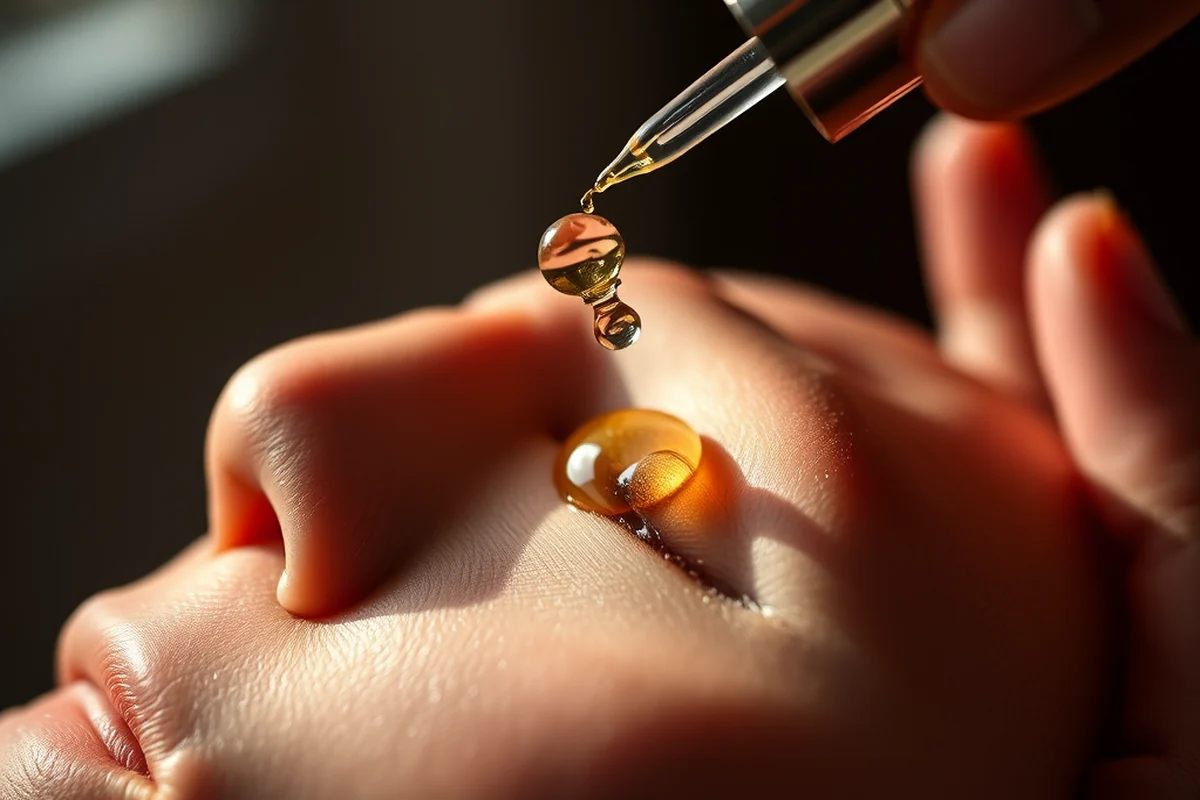
I once used eye patches almost every night, thinking they were a quick fix for my puffiness. But after a few weeks, I noticed that my under-eye area was more sensitive and sometimes even red. It turned out that the frequent use of eye patches had disrupted my skin’s natural barrier.
Eye patches are helpful for targeted treatments, especially when dealing with puffiness or dark circles, but they shouldn’t replace a consistent eye care routine. Using them more than once or twice a week can lead to over-exfoliation, dryness, and even microtears in the skin.
I now limit myself to using eye patches two to three times a week, always after a night of heavy use or a long day. This approach has allowed me to enjoy the benefits without the drawbacks.
Less is more when it comes to eye patches — use them wisely, not excessively.
Related: Budget under eye care mistakes
Why Rubbing Your Eyes is a No-No
I used to rub my eyes when I was tired, thinking it would help me feel more alert. But over time, I noticed that my under-eye area looked more hollowness, and I had a persistent dark circle that wouldn’t go away. It wasn’t until I stopped this habit that the dark circle started to fade.
Rubbing your eyes can cause tiny blood vessels to break, leading to dark circles and a generally tired look. It can also accelerate the formation of fine lines and wrinkles around the eyes, which are some of the earliest signs of aging.
Now, when I feel the urge to rub my eyes, I use a cold compress or press my fingers gently against my eyelids instead. This small change has made a big difference in how my under-eye area looks and feels.
Replace the urge to rub with a cold compress or light pressure. This helps reduce puffiness without damaging the skin.
“I remember the first time I noticed the under-eye puffiness that seemed to follow me like a shadow, no matter how hard I tried to…”— Restedlook editors
Related: Easy under eye care mistakes
The Dangers of Skipping Sun Protection Around the Eyes

I used to skip sunscreen on my eyelids, thinking that the small amount of SPF I had on my face was enough. But after a few months, I noticed that my under-eye area had developed a few fine lines and a slightly uneven texture. My dermatologist pointed out that the lack of sun protection was the cause.
The skin around the eyes is especially sensitive to UV radiation, which can break down collagen and lead to wrinkles and dark spots. Without proper sun protection, this area is at a higher risk of damage compared to other parts of the face.
Now, I make sure to apply a broad-spectrum sunscreen that is safe for the eyes, even on cloudy days. It’s a small step, but one that has made a noticeable difference in the health of my under-eye skin.
Related: Best under eye care troubleshooting
The Mistake of Using Too Much Product
In my early days of under-eye care, I thought that more product meant better results. I would layer multiple serums and creams, thinking that the extra moisture would help. But the result was a heavy, puffy look that made my eyes look even more tired than before.
The under-eye area is already sensitive and prone to oiliness, so using too much product can cause breakouts and even make the under-eye area appear darker. It’s not about using a lot — it’s about using the right amount in the right way.
Now, I use a pea-sized amount of eye cream and apply it with my ring finger, which is the weakest on the hand. This method ensures even application without overdoing it, and I’ve noticed a significant improvement in how my under-eye area looks.
🌸 Sensitive Skin Routine
Gentle, fragrance-free products that are safe for even the most sensitive skin types.
💰 Budget-Friendly Routine
Effective under-eye care without breaking the bank — affordable products that deliver real results.
✨ Minimalist Routine
A streamlined approach with just one or two products to simplify your under-eye care without missing out on key benefits.
🎯 Targeted Routine
Customized products designed to address specific issues like puffiness, dark circles, or fine lines.
🔄 Maintenance Routine
A long-term under-eye care plan to maintain results and prevent the return of common issues.
| The mistake | Why it happens | The fix |
|---|---|---|
| Skipping eye cream altogether | The delicate under-eye area needs special care, and using a regular moisturizer may not provide the right nutrients or hydration. | Invest in a quality eye cream and apply it daily for the best results. |
| Using too much product | Too much product can lead to puffiness, breakouts, and a greasy feel around the eyes. | Use a small amount — about the size of a pea — and apply it gently with your ring finger. |
| Rubbing your eyes | Rubbing can cause microtears in the skin and lead to dark circles and premature aging. | Avoid rubbing your eyes. Use a cold compress or light pressure instead. |
| Overusing eye patches | Too frequent use of eye patches can irritate the skin and disrupt its natural barrier. | Limit eye patch use to two to three times a week and always follow up with a gentle eye cream. |
Related: Easy under eye care troubleshooting
Under Eye Care Mistakes Troubleshooting Ideas
Related: Budget under eye care mistakes troubleshooting
The Misstep of Using the Wrong Ingredients
I once used a facial oil meant for my cheeks directly under my eyes, and within a day, I had a red, pimple-like rash. This shows how crucial it is to use products formulated specifically for the under-eye area. Ingredients like retinol, which is great for skin texture, can be too harsh for the thin under-eye skin and cause dryness or peeling. It's essential to read labels and avoid ingredients such as alcohol or fragrances, which can further irritate the delicate skin around the eyes.
Many people don't realize that the under-eye skin is up to 10 times thinner than the rest of the face, making it more susceptible to damage. I learned this the hard way when I used a strong vitamin C serum without a patch test, leading to a burning sensation and redness. Always opt for products with gentle, hydrating ingredients such as hyaluronic acid or peptides, which support the skin without overstimulating it.
A good approach is to patch test any new product before applying it around the eyes. I now use a small amount of any new under-eye product on my wrist or behind my ear and wait 24 hours to ensure there's no adverse reaction. If you're unsure about what to use, consult a dermatologist or reach out to the brand for specific advice on under-eye compatibility. This proactive step can save you from future discomfort and ensure your skincare routine is both effective and safe.
Common Questions
Can I use the same eye cream for both dark circles and puffiness?
How long does it take to see results from an eye cream?
Are eye patches really effective, or is it just a placebo?
What are the best ingredients to look for in an eye cream?
References
- Contact Lens Care - Baylor College of Medicine (bcm.edu)
- FDA warns consumers not to purchase or use certain eye drops from ... (fda.gov)
- Skin care for aging skin: Minimizing age spots, wrinkles, and ... (health.harvard.edu)
- Managing errors in the eye unit - PMC (pmc.ncbi.nlm.nih.gov)
Cite this guide
Restedlook (2026). Under Eye Care Mistakes Troubleshooting Ideas. https://restedlook.com/under-eye-care-mistakes-troubleshooting-ideas/
Feel free to cite or share this guide.
Under-Eye Concern Finder
Identifies dark-circle type, puffiness or hollows and matching ingredients.
Open it free →