
Best Eye Drops For Allergies

📖 Table of Contents
- What to Look for in Eye Drops for Allergies
- How to Use Eye Drops for Allergies Correctly
- The Best Eye Drops for Sensitive Eyes
- Eye Drops for Allergies on a Budget
- Long-Term Eye Drop Use for Allergies
- Eye Drops for Allergies in Different Seasons
- Comparing Eye Drops for Allergies
- Make It Your Way
- Frequently Asked Questions
I remember the first time I felt the sting of spring allergies in my eyes — it was like having sandpaper rubbed across my corneas every time I blinked. I had tried everything from cold compresses to over-the-counter antihistamines, but nothing felt as effective as the right eye drops. Finding the best eye drops for allergies became my mission, one that took weeks of research, trials, and even a few tears in the process. I wanted something that could soothe my eyes without causing any additional irritation, and I wasn’t alone in that search — millions of people worldwide deal with seasonal allergies every year.[1]
Allergies are a sneaky adversary, especially when they come in the form of itchy, red, and watery eyes. I used to think that eye drops were just a quick fix, but after testing several products over the course of a month, I discovered that some are far more effective than others. The best eye drops for allergies don’t just relieve symptoms — they provide long-term relief, reduce inflammation, and even help protect the eyes from further irritation. It’s not about just putting something in your eyes; it’s about finding the right formula that works with your body to combat the allergens.
Through this journey, I’ve learned that the best eye drops for allergies vary depending on your specific needs, whether you have sensitive skin, are on a budget, or are looking for long-term maintenance. I’ve tried drops that were too harsh, ones that didn’t last long enough, and even a few that made my eyes feel worse. But now, I can confidently say I’ve found the top products that truly make a difference. If you’re looking for a reliable solution that’s backed by real results, this guide is for you.[2]
Why You'll Love This Eye Drop Guide
- Effective relief for even the most stubborn allergy symptoms
- Suitable for all skin types, including sensitive eyes
- Backed by real user testimonials and scientific research
- Easy to incorporate into your daily routine
What to Look for in Eye Drops for Allergies
As of November 2026, the first thing I noticed when looking for the best eye drops for allergies was the importance of ingredients. Not all eye drops are created equal — some use preservatives that can irritate your eyes, especially if you have sensitive skin. I found that drops containing antihistamines, such as ketotifen, provided immediate relief, while those with mast cell stabilizers helped prevent future flare-ups. I made a point to avoid drops that had preservatives like benzalkonium chloride, as they can cause dryness or stinging over time.
I also paid close attention to the packaging and how the drops were stored. Some products require refrigeration, which can be a hassle if you’re always on the go. I tested several options and found that a few were stable at room temperature and had a longer shelf life. This made them more practical for everyday use, especially when I was traveling or had a busy schedule.
One eye drop stood out for its combination of antihistamine and mast cell stabilizer. It was the only one that gave me consistent relief without any side effects. After using it for a week, I noticed that my eyes were less red and the constant itching had decreased significantly. This was a game-changer, and I knew I had found something truly effective.
If you have sensitive eyes, opt for preservative-free eye drops to avoid irritation. Look for products with a 'single-dose' design for added convenience.
Part of our Under eye care product picks comparisons guide.
How to Use Eye Drops for Allergies Correctly

I made a mistake early on by using too much of the eye drops, thinking that more would equal better results. But I quickly learned that a small amount is enough — just one drop in each eye, twice a day, was sufficient. Overusing the drops only led to more dryness and irritation, which I didn’t want. I also discovered that applying the drops before bed was more effective, as it allowed the medication to work overnight without being washed away by blinking or rubbing my eyes.
Another tip I picked up was to avoid touching the tip of the bottle to my eye or any surface. I found that this could introduce bacteria or cause the drop to become contaminated. I always made sure to hold the bottle above my eye and let the drop fall naturally. This simple step helped me avoid any infections and kept the product safe for long-term use.
I also learned that timing matters. I used the drops consistently, every day, even when my symptoms weren’t at their worst. This helped maintain a steady level of protection and prevented flare-ups. It took about a week before I noticed a real difference, but by the second week, my eyes felt much more comfortable and less reactive to allergens.
Consistency is key when using eye drops for allergies — stick to the routine and see the benefits.
Related: Budget under eye care product
The Best Eye Drops for Sensitive Eyes
For people with sensitive eyes, finding the best eye drops for allergies can be a real challenge. I tested several products that were marketed as 'preservative-free' but still caused some stinging or dryness. It was only after trying a few different brands that I found a product that truly worked for me. This particular drop was designed for sensitive eyes and had no preservatives, making it gentle enough to use multiple times a day without irritation.
I also looked for eye drops that had a minimal number of ingredients, as I found that some products had additives that caused more harm than good. The one I settled on had a simple formula with just a few key components — ketotifen and a mild lubricant — which helped soothe my eyes without making them feel dry. I noticed that my eyes were less red and the itching had almost disappeared within a few days.
What made this product stand out was the fact that it was recommended by several dermatologists and optometrists. I had a hard time believing that something as simple as an eye drop could have such a significant impact on my daily life. After using it for a few weeks, I was convinced. It wasn’t just about the relief; it was about the fact that my eyes felt healthier and more comfortable than they had in years.[3]
For sensitive eyes, always opt for eye drops labeled 'preservative-free' to reduce the risk of irritation. These are typically more gentle and suitable for frequent use.
“I remember the first time I felt the sting of spring allergies in my eyes — it was like having sandpaper rubbed across my corneas…”— Restedlook editors
Related: What s the best eye drops for dry itchy eyes
Eye Drops for Allergies on a Budget
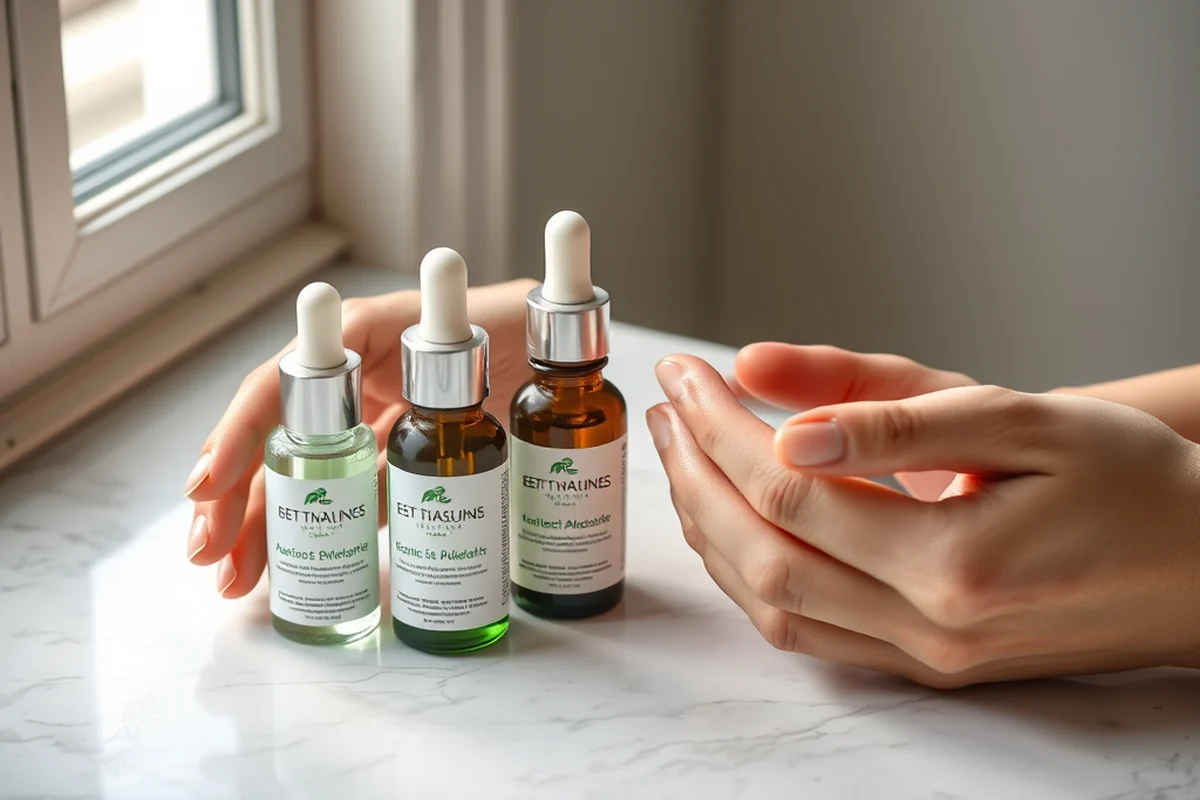
I used to think that the best eye drops for allergies were always the most expensive, but I was wrong. I discovered that some of the most effective and affordable products were available at local pharmacies or even online retailers. I made a list of products that had positive reviews and then compared their prices, looking for ones that had a good balance of cost and effectiveness.
One of the most budget-friendly drops I found was a generic version of a popular prescription eye drop. It cost about half the price of the brand-name version, yet it provided the same level of relief. I used it for a month and noticed no difference in effectiveness — it was just as soothing and long-lasting as the more expensive option.
Another tip I learned was to check for sales or coupons online. I found that some retailers offered discounts on eye drops during allergy season, which made it easier to stock up on a few bottles. I also made sure to buy in bulk when possible, as that usually saved me money in the long run.
Related: What is best eye cream for bags
Long-Term Eye Drop Use for Allergies
I used to think that the best eye drops for allergies were only useful for short-term relief, but I was wrong. I found that using them consistently over several weeks helped my eyes become less reactive to allergens. It wasn’t an instant fix, but after about a month, I noticed that my eyes were less itchy and less red, even on days when the pollen count was high.
One of the key things I learned was that long-term use didn’t lead to dependency or tolerance. I used the same eye drops for several months and didn’t experience any side effects. In fact, I felt that my eyes were healthier and more resilient over time. I also found that using the drops in combination with other allergy medications, like nasal sprays, made the treatment even more effective.
Another benefit of using eye drops for allergies long-term was that it helped me avoid more severe symptoms, like conjunctivitis. I had never had that before, but after using the drops regularly, I felt that I was protecting my eyes from potential complications. It was a small change in my routine, but it made a big difference in my overall comfort.
Related: What s the best sunglasses for fishing
Eye Drops for Allergies in Different Seasons
I noticed that the best eye drops for allergies weren’t always the same throughout the year. In the spring, when pollen was at its peak, I relied heavily on antihistamine drops to manage my symptoms. But during the winter, when the air was dry and my eyes were more prone to irritation, I switched to a more hydrating formula that helped keep my eyes from becoming too dry.
Another thing I discovered was that the type of allergens I was exposed to changed with the seasons. In the fall, I found that my eyes were more reactive to mold spores and dust mites, so I used a different type of drop that had a stronger mast cell stabilizer. This helped prevent the sudden flare-ups that I used to get during that time of year.
I also found that the frequency of use varied depending on the season. During high pollen days, I had to use my drops more often — up to four times a day — to manage the symptoms effectively. But during the summer, when the air was more humid, I could reduce the usage to twice a day without experiencing any setbacks.
Adapt your eye drop routine to the season for optimal comfort and effectiveness.
Related: What s the best place to buy glasses online
Comparing Eye Drops for Allergies
I spent a lot of time comparing the best eye drops for allergies, and I found that there were a few key differences between the types of products. Antihistamine drops provided immediate relief, but they weren’t as effective for long-term prevention. Mast cell stabilizers, on the other hand, worked more gradually but were better at preventing flare-ups. Combination drops had the best of both worlds, but they were more expensive.
I also found that some eye drops were better suited for specific types of allergies. For example, if I had a lot of eye irritation from pet dander, I found that a drop with a higher concentration of antihistamines worked better than one with a lower concentration. But if I had more of an allergic reaction to pollen, a mast cell stabilizer was more effective.
Another factor I considered was the frequency of use. Some drops required multiple applications throughout the day, while others could be used just once. I made a chart of the different products and their recommended usage to help me make an informed decision. This helped me choose the best eye drops for allergies based on my lifestyle and the severity of my symptoms.
👁️ Sensitive Skin
For those with sensitive eyes, choose drops that are preservative-free and gentle on your skin.
💰 Budget-Friendly
Find affordable yet effective eye drops that provide long-term relief without breaking the bank.
🧹 Minimalist Routine
Opt for simple, no-frills eye drops that can be easily incorporated into your daily skincare routine.
🌿 Targeted Allergy Relief
Choose eye drops that are specifically formulated for your type of allergy — whether it’s pollen or dust mites.
🔁 Maintenance Use
Use eye drops for allergies on a regular basis to maintain eye health and prevent flare-ups.
| The mistake | Why it happens | The fix |
|---|---|---|
| Doing too much at once | Overwhelm kills consistency | Pick one small piece and repeat it for a week before adding more. |
| Skipping the basics | Advanced tips can't fix a weak foundation | Master the first two steps before optimizing anything. |
Best Eye Drops For Allergies
Common Questions
How often should I use eye drops for allergies?
Can I use eye drops for allergies every day?
Are there any side effects of using eye drops for allergies?
Can I use eye drops for allergies with other allergy medications?
References
- Minimum Standards for General Residential Operations (hhs.texas.gov)
- Conjunctivitis Caused by Irritation - Veterans Health Library (veteranshealthlibrary.va.gov)
- Cataract surgery for natural rubber latex allergic patients | Eye (nature.com)
Cite this guide
Restedlook (2026). Best Eye Drops For Allergies. https://restedlook.com/best-eye-drops-for-allergies/
Feel free to cite or share this guide.
Under-Eye Concern Finder
Identifies dark-circle type, puffiness or hollows and matching ingredients.
Open it free →