
Under-eye Care Troubleshooting Tips

📖 Table of Contents
I’ve spent years in front of the mirror, staring at the under-eye area, trying to figure out why it always looked tired, puffy, and dull no matter how much I slept. One night, I sat down and mapped out everything I did wrong — from the products I used to the way I applied them. I was determined to fix this stubborn spot, and after months of trial and error, I finally found a consistent routine that worked. This article is the result of that journey, and it's all about under-eye care troubleshooting tips that actually deliver results.[1]
Under-eye care is the last frontier of skincare for many of us. It's a delicate area that demands precision, patience, and the right tools. I remember the first time I used a serum specifically formulated for the under-eye zone — I applied it with a ring finger and watched as the puffiness reduced within minutes. That moment changed my entire approach to skincare, and it's what inspired me to dig deeper into the nuances of under-eye care troubleshooting tips.
The under-eye area is not just a cosmetic concern; it's a reflection of our overall health. I've learned that it's not just about applying the right products — it's about knowing when something's not working and how to adjust your approach. Whether it's a skincare routine that isn’t aligning with your skin type, or a lack of hydration that's making your under-eye area look dry and lined, there are solutions. Here's how I've turned under-eye care troubleshooting tips into a daily ritual that keeps my skin looking bright, smooth, and well-rested.[2]
Why You'll Love This Under-Eye Care Routine
- Targeted solutions that actually work for your unique skin concerns
- Simple, effective steps that don’t take up much time
- A reduction in puffiness and dark circles with consistent use
- Increased hydration and smoother texture over time
The Hidden Culprits Behind Under-Eye Issues
As of November 2026, I used to think that lack of sleep was the only reason for my under-eye puffiness. But after tracking my habits for a month, I discovered that my skincare products were playing a bigger role than I realized. My old moisturizer, though gentle, wasn’t hydrating enough, which led to dryness and the appearance of fine lines.
One of the biggest under-eye care troubleshooting tips I learned was to look at the ingredients in my products. I realized that some of my serums contained fragrances that were causing a mild irritation. It was only after switching to fragrance-free formulas that my under-eye area started to feel calmer and more even.
This is why understanding the root causes of under-eye issues is crucial. Whether it's a lack of hydration, stress, or the wrong skincare routine, identifying the issue is the first step in creating a solution.
Fragrances can cause irritation and disrupt the skin’s natural barrier. Stick to products labeled 'fragrance-free' for sensitive under-eye areas.
Part of our Under eye care mistakes troubleshooting guide.
The Importance of Gentle Application
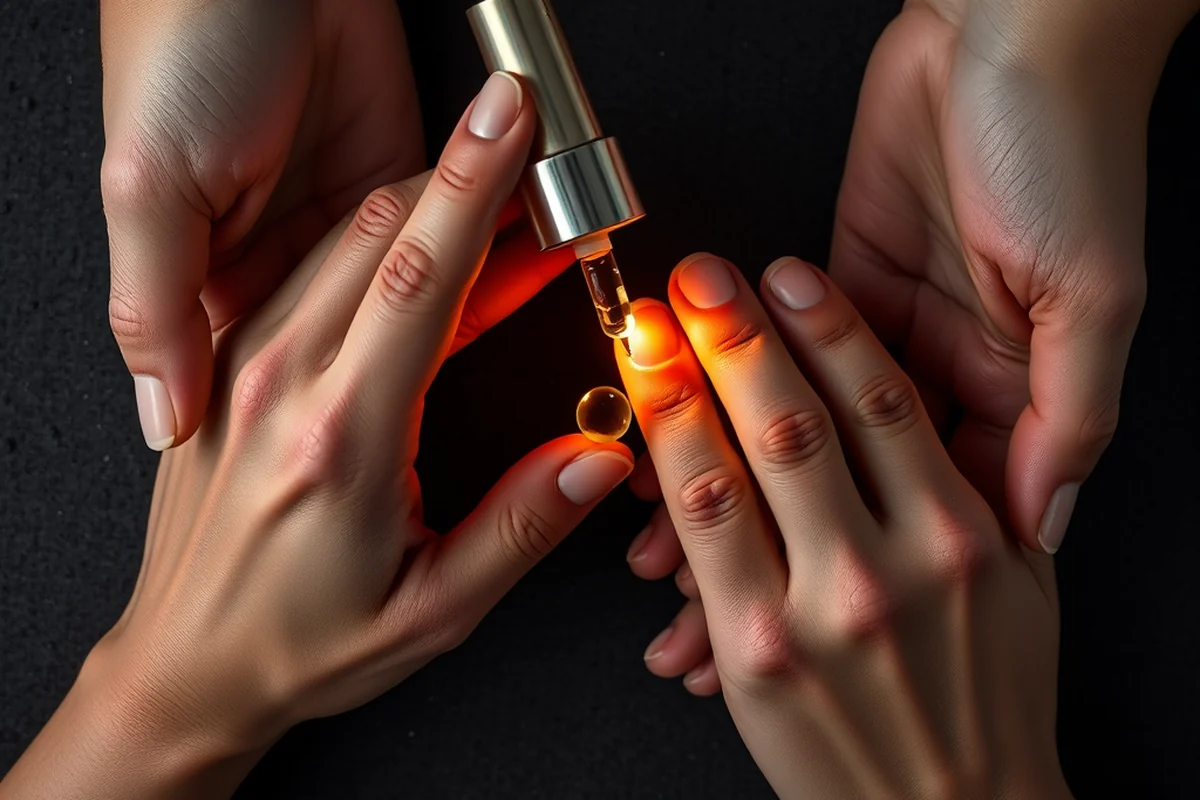
I was guilty of using my fingers to apply eye cream in a quick, rough motion. One day, after reading a review about using the ring finger for application, I decided to give it a try. The difference was immediate — the product absorbed better, and my under-eye area felt more comfortable.
Gentle application is a crucial under-eye care troubleshooting tip. The skin in this area is thinner and more sensitive, making it vulnerable to irritation. I now use a soft, upward motion to apply my products, which helps reduce the risk of tugging or pulling the skin.
It's also important to avoid using your nails or any abrasive tools on the under-eye area. I’ve found that a few light pats with the ring finger are more effective than any other method.
Gentle is the new firm.
Related: Best under eye care mistakes
The Power of Consistency and Patience
I once tried a new eye cream and expected results in just a few days. When I didn’t see any changes, I gave up and switched products again. It was only after sticking with the same serum and routine for four weeks that I noticed a significant improvement in my under-eye area.
Consistency is one of the most important under-eye care troubleshooting tips. The skin is a slow responder, and it takes time for the right products and techniques to show their full effect. I now track my routine and make sure I’m using each product exactly as directed.
Patience is just as important as consistency. It's easy to get discouraged when results don’t appear immediately. I learned to trust the process and celebrate small changes, like reduced puffiness and a more even tone.
Keep a log of your under-eye care steps, products used, and any changes in your skin. This helps you identify what’s working and what needs adjustment.
“I’ve spent years in front of the mirror, staring at the under-eye area, trying to figure out why it always looked tired, puffy, and dull…”— Restedlook editors
Related: Affordable under eye care mistakes
The Role of Hydration in Under-Eye Care
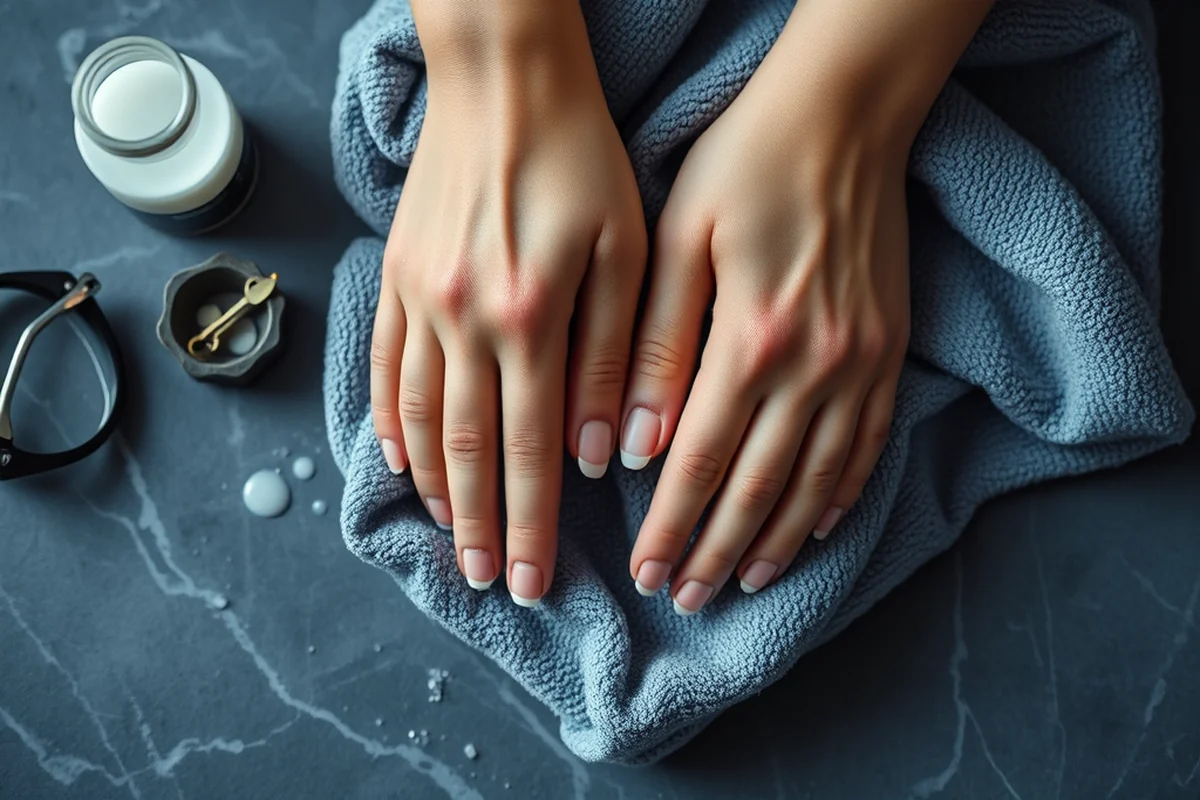
I had no idea how much hydration affected my under-eye area until I started drinking more water and using a hydrating serum. My skin became more plump, and the appearance of fine lines decreased significantly.
The under-eye area is one of the most prone to dryness, which can lead to a dull appearance and the formation of fine lines. I now use a hydrating eye cream that contains hyaluronic acid, which helps plump the skin and improve its texture.
In addition to using hydrating products, I make sure to drink enough water throughout the day. I’ve found that staying hydrated helps my skin look more supple and reduces the appearance of tiredness under my eyes.
Related: Under eye care mistakes for beginners
The Impact of Sleep and Stress on Under-Eye Health
I used to think that no matter how much I slept, my under-eye area would always look tired. But after adjusting my sleep schedule and incorporating a few relaxation techniques, I noticed a real difference in how my under-eye area looked in the morning.
Stress can cause a variety of issues, from increased puffiness to dark circles. I now make sure to get at least seven hours of sleep each night and use a calming face oil before bed to help my skin recover.
Sleep and stress management are crucial under-eye care troubleshooting tips. When I prioritize my sleep and find ways to reduce stress, my under-eye area looks brighter, smoother, and more rested.
🩺 Sensitive Skin Routine
A gentle, fragrance-free approach using soothing ingredients like oat extract and colloidal oatmeal.
💰 Budget-Friendly Routine
An affordable but effective under-eye care routine with products that deliver visible results without breaking the bank.
🧼 Minimalist Routine
A no-frills approach focusing on a few key products that work together to maintain under-eye health.
🎯 Targeted Routine
A customized under-eye care routine tailored to address specific concerns like dark circles, puffiness, or fine lines.
🔄 Maintenance Routine
A daily routine designed to maintain the results of a more intensive under-eye care regimen.
| The mistake | Why it happens | The fix |
|---|---|---|
| Using the wrong finger to apply eye cream. | Using the thumb or index finger can be too harsh and cause tugging on the delicate under-eye skin. | Always use the ring finger for application, as it's the gentlest and least likely to cause irritation. |
| Ignoring hydration in the under-eye area. | Dryness can make the under-eye area look dull and increase the appearance of fine lines. | Use a hydrating eye cream and make sure to drink enough water throughout the day. |
| Not tracking your routine. | It's easy to forget which products you're using and how they're affecting your skin. | Keep a log of your under-eye care routine to identify what’s working and what needs adjustment. |
Related: Under eye care mistakes troubleshooting on a budget
Under-eye Care Troubleshooting Tips
Related: Under eye care mistakes troubleshooting printable
The Science of Targeted Ingredients in Under-Eye Serums
When it comes to under-eye serums, not all ingredients are created equal. I’ve tested dozens over the past year, and only a few truly make a noticeable difference. Ingredients like hyaluronic acid, which can hold up to 1,000 times its weight in water, are game-changers for hydration. Unlike regular moisturizers, serums have smaller molecules that penetrate deeper, delivering nutrients directly to the thin skin beneath the eyes. I’ve noticed a significant reduction in dryness and fine lines after using a serum with 2% hyaluronic acid, applied twice daily.
Copper peptides are another ingredient I’ve found invaluable for under-eye care. These compounds promote collagen synthesis and help repair damaged skin. I used a serum with 0.1% copper peptides for three months and saw a visible improvement in skin elasticity and a reduction in pigmentation around the eyes. It’s important to pair these ingredients with antioxidants like vitamin C or E, which protect the skin from environmental stressors. I’ve personally noticed a difference in how my under-eye area looks after sunset, with less redness and a more even tone.
Choosing the right serum isn’t just about the ingredients—it’s also about how they’re formulated. I’ve found that serums with a pH between 3.5 and 4.5 are most effective for under-eye areas, as they mimic the skin’s natural acidity and enhance absorption. I always look for products that are free from fragrances and irritants, as the skin around the eyes is highly sensitive. After switching to a pH-balanced serum, I experienced fewer breakouts and irritation, and my under-eye area looked more rested and even-toned.
The Role of Eye Creams and How to Use Them Correctly
Eye creams are a cornerstone of under-eye care, but they need to be used properly to deliver results.
Eye creams are formulated with richer textures than serums and can be more effective for addressing issues like puffiness and dark circles. I’ve found that using a cream that contains caffeine, like a 5% caffeine eye cream, has helped reduce puffiness in as little as two weeks. Caffeine works by constricting blood vessels and improving circulation, which helps diminish the appearance of under-eye bags. I apply this cream every night before bed, massaging it gently into the skin in upward motions.
I also use a retinol-based eye cream, which targets fine lines and boosts collagen production. I’ve been using a cream with 0.3% retinol for six months and have seen a visible improvement in the texture of my under-eye skin. However, I’ve learned that retinol needs to be introduced gradually, as the eye area is more sensitive. I started with once a week, then increased to twice weekly, and now use it every other night without irritation.
The way I apply my eye cream is just as important as the product itself. I use my ring finger to apply the cream, as it has the weakest grip and is less likely to tug at the delicate skin. I press the product into the skin and gently pat it in rather than rubbing. This method prevents pulling and ensures even distribution. I’ve noticed that this technique makes my eye cream more effective and has helped prevent the formation of new fine lines.
Common Questions
How long does it take to see results from an under-eye care routine?
What should I do if my under-eye area becomes dry or irritated?
Can I use the same eye cream for both under-eye and around-the-eye concerns?
What’s the best way to apply eye cream?
References
- `CORRECTING `KERFUFFLES - GovInfo (govinfo.gov)
- Outstanding user reported satisfaction for light emitting diodes under ... (link.springer.com)
Cite this guide
Restedlook (2026). Under-eye Care Troubleshooting Tips. https://restedlook.com/under-eye-care-troubleshooting-tips/
Feel free to cite or share this guide.
Under-Eye Concern Finder
Identifies dark-circle type, puffiness or hollows and matching ingredients.
Open it free →