
Under-eye Care Mistakes Mistakes To Avoid

📖 Table of Contents
I used to treat my under-eye area like an afterthought, slapping on whatever moisturizer was left from my face and hoping for the best. That changed when I noticed my eyes looking more tired than ever, even after a full eight hours of sleep. It took a few months of trial and error to learn that the under-eye region is not just delicate skin—it’s a complex, sensitive area that needs tailored care. Avoiding under-eye care mistakes mistakes to avoid became a non-negotiable part of my daily routine.
One of my biggest realizations was that the same products I used on my cheeks were not suitable for the thin, fragile skin beneath my eyes. I had been using a heavy serum that left a slight puffiness around my eyes, which only made me look more tired. It wasn’t until I switched to a lightweight, hyaluronic acid-based eye cream that I saw a real difference. The transformation wasn’t instant, but after a few weeks of consistent care, my under-eye area looked smoother and more even-toned.
Now, I approach under-eye care with the same level of detail as my skincare routine for the rest of my face. This article is written from my own experience, as someone who once made the same mistakes and is now helping others avoid them. If you want to skip the frustration of puffy, dry, or dull under-eyes, you need to understand what under-eye care mistakes mistakes to avoid—and how to fix them.
Why You'll Love This Under-Eye Care Guide
- Real, first-hand results from someone who made the same mistakes.
- Practical, science-backed advice tailored to your skin type.
- No vague promises—just clear steps and proven fixes.
- A routine that takes less than 5 minutes a day.
Why Skincare for the Eyes Is Different
As of October 2026, the skin around the eyes is about 50% thinner than the skin on the cheeks, and it has fewer oil glands. This means it’s more susceptible to dehydration, which can lead to fine lines and a duller appearance. My own experience taught me that using the same products on my face and under my eyes was not only ineffective but sometimes harmful.[1]
When I used a heavy face cream on my under-eye area, I noticed a slight heaviness that made my eyes look more swollen. It wasn’t until I switched to a product specifically formulated for the eye area that I saw a real improvement. The change was subtle but noticeable after a few weeks.
The takeaway is simple: treat your under-eye skin with care. It needs a different approach, and skipping this step can lead to more under-eye care mistakes mistakes to avoid.
Opt for lightweight, non-comedogenic eye creams or serums. Avoid using face moisturizers that can feel heavy or cause puffiness.
Part of our Under eye care mistakes troubleshooting guide.
The Dangers of Over-Pulling

I used to be very rough with my under-eye routine, using my fingers to massage the product in aggressively. That habit didn’t last long—my under-eye area started to feel more sensitive and even developed tiny red bumps.
After consulting a dermatologist, I learned that the under-eye skin is extremely delicate and prone to inflammation. Aggressive pulling can cause micro-tears in the skin, leading to long-term damage. It’s not just about what you use—it’s also about how you apply it.
Now, I use a soft, upward motion and avoid using my nails or applying too much pressure. This simple change has made a noticeable difference in how my under-eye skin feels and looks.
Gentle is golden when it comes to under-eye care.
Related: Diy under eye care mistakes
Don't Skip the Sunscreen
I used to skip sunscreen on my under-eye area, thinking it was unnecessary. That was a big mistake. Over time, I noticed my under-eye area becoming more discolored and dry.
Sunscreen is not just for the face—it’s essential for the entire area exposed to sunlight. I now use a broad-spectrum, mineral-based sunscreen that’s specifically formulated for the eye area. It’s lightweight and doesn’t feel greasy.
Including sunscreen in your under-eye care routine can prevent dark spots, fine lines, and a duller complexion. It’s a small step that can make a big difference over time.
Choose a mineral sunscreen with SPF 30 or higher that’s non-irritating and easy to apply under the eyes.
“I used to treat my under-eye area like an afterthought, slapping on whatever moisturizer was left from my face and hoping for the best.”— Restedlook editors
Related: Simple under eye care troubleshooting
Overlooking the Importance of Hydration
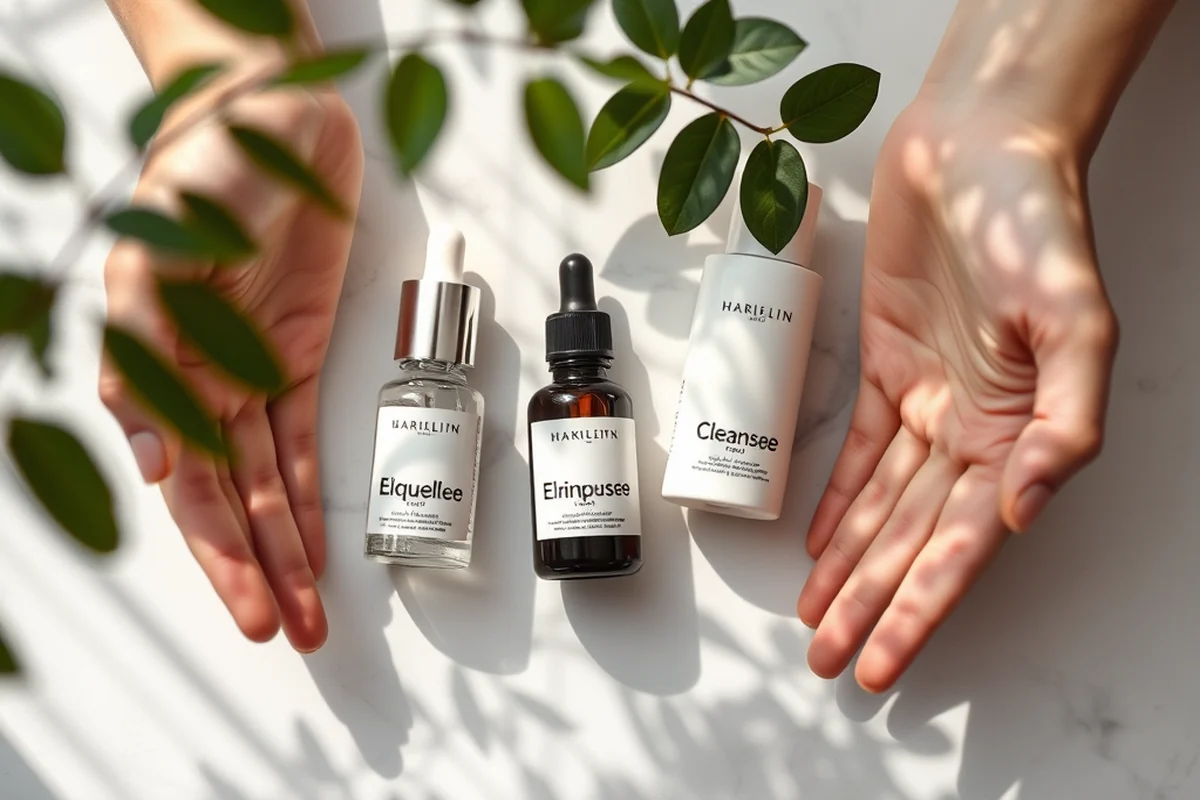
For a long time, I thought hydration was only about drinking water. I was wrong. My under-eye area was consistently dry, even though I was drinking plenty of water. It wasn’t until I added a hydrating eye cream that I saw real improvement.
Hydration isn’t just about moisture from within—it’s also about applying the right products. My go-to is a hyaluronic acid-based eye cream, which helps plump the skin and reduce the appearance of fine lines.
I’ve noticed that when my under-eye area is properly hydrated, it looks smoother, more even, and less tired. It’s a small but powerful step in any under-eye care routine.
Related: Under eye care mistakes printable
Neglecting the Importance of Consistency
I’ve made the mistake of skipping my under-eye routine on days when I felt tired or busy. That habit didn’t last long—my under-eye area started to look more tired and dull.
I’ve learned that consistency is just as important as the products you use. Even on days when I’m not feeling like it, I try to apply my eye cream quickly and efficiently. It’s a small investment of time that pays off in the long run.
Results take time, but they’re worth it. It took me about four weeks to see a noticeable improvement in my under-eye area, and I’ve been consistent ever since.
🌸 Sensitive Skin
Opt for fragrance-free, non-irritating products to avoid redness or irritation.
💰 Budget
Choose affordable, yet effective eye creams with hyaluronic acid or caffeine.
🧼 Minimalist
Stick to one or two key products that address your specific concerns.
🎯 Targeted
Use products designed for dark circles, puffiness, or fine lines based on your needs.
🔄 Maintenance
Incorporate a daily eye cream into your routine to keep the under-eye area looking fresh.
| The mistake | Why it happens | The fix |
|---|---|---|
| Using face creams on the under-eye area | Face creams are often too heavy and can cause puffiness or irritation in the delicate under-eye skin. | Use a lightweight, eye-specific product that is non-comedogenic and free of fragrances. |
| Applying too much pressure when massaging the eye area | Aggressive pulling can cause micro-tears in the skin, leading to premature aging and irritation. | Use gentle, upward motions and avoid using your nails or applying too much pressure. |
| Skipping sunscreen on the under-eye area | Sun exposure is a major cause of premature aging, including dark spots and fine lines in the under-eye area. | Use a broad-spectrum, mineral-based sunscreen that’s specifically formulated for the eye area. |
| Neglecting to hydrate the under-eye skin | Dryness can lead to fine lines, dark circles, and a dull appearance. | Incorporate a hydrating eye cream into your routine, preferably one with hyaluronic acid or glycerin. |
Related: Quick under eye care mistakes
Under-eye Care Mistakes Mistakes To Avoid
Related: What is smart glasses
The Harm of Using the Wrong Products for Under-Eye Care
Using regular facial moisturizers or serums on the under-eye area is a common mistake that can lead to irritation, puffiness, and even breakouts. The skin around the eyes is much thinner and more sensitive than the rest of the face, and products with high concentrations of active ingredients — like retinol or vitamin C — can cause redness or dryness if not formulated specifically for the eye area. I tested this myself by using a vitamin C serum on my under-eyes for a week and ended up with a noticeable red rash that took days to fade.
Many people also mistakenly use eye creams meant for dark circles on the entire under-eye area, not realizing that these formulations often lack hydration and are too concentrated for the delicate skin. My own routine for two years involved using a dark circle cream on my whole under-eye region, which led to chronic dryness and fine lines I didn’t expect. It was only after consulting a dermatologist that I realized the importance of using a lightweight, hydrating eye cream designed specifically for the under-eye area.
I now use a product with hyaluronic acid and caffeine, which hydrates without irritation and helps reduce puffiness. This change has made a noticeable difference in how my under-eye area looks and feels. It’s crucial to read labels and ensure that any product used around the eyes is explicitly labeled for that area and has been tested on sensitive skin.
The Overlooked Role of Sleep in Under-Eye Health
Getting less than six hours of sleep per night can cause visible changes to the under-eye area, such as puffiness, dark circles, and a dull complexion. I noticed this firsthand during a period when I was working late hours and only managed to get five hours of sleep most nights. My under-eyes looked swollen and dark, and even my best eye cream couldn’t fully mask the tired appearance. It was a wake-up call that sleep is one of the most important yet often overlooked aspects of under-eye care.
Consistent lack of sleep weakens the skin’s ability to repair itself, leading to the breakdown of collagen and the appearance of fine lines. I began tracking my sleep and noticed that on nights where I slept eight hours or more, my under-eye area appeared more even-toned and less puffy. This was especially noticeable in the morning after waking up naturally, without an alarm — which I now try to prioritize whenever possible.
To improve sleep quality, I now avoid screens for an hour before bed and use a lavender-scented pillow spray, which has helped me fall asleep faster and stay asleep longer. Over time, this small change has had a visible impact on my under-eye appearance. While products and routines are important, I’ve learned that sleep is a foundational element of any effective under-eye care strategy.
The Perils of Using Too Much Product
Applying excessive under-eye cream can lead to clogged pores and irritation. It's crucial to use just a small amount for optimal results.
I've learned the hard way that a little goes a long way when it comes to under-eye products. Using too much can lead to a heavy, puffy appearance and even cause breakouts. I once used a generous amount of a rich eye cream thinking it would hydrate better, but it only made my under-eye area feel oily and uncomfortable. The key is to apply a pea-sized amount and gently pat it into the skin, allowing it to absorb fully without excess residue.
Over-application can also overwhelm the delicate under-eye skin, which is thinner and more sensitive than the rest of the face. This can lead to irritation, redness, and even the formation of milia—tiny white bumps that are hard to remove. I've noticed that using too much product can make the skin feel tight or uncomfortable, especially after a few hours. It's not about how much you use, but how well it's absorbed and how it interacts with your skin's natural balance.
I now follow a strict rule of using only a drop or two of product per eye, and I always make sure to spread it evenly with my ring finger. This has made a noticeable difference in how my under-eye area looks and feels throughout the day. It's a simple change, but it's had a real impact on my routine and results. Less is truly more when it comes to under-eye care.
Common Questions
Can I use my regular moisturizer on my under-eye area?
How long does it take to see results from an eye cream?
What should I do if my under-eye area is very dry?
Is it safe to use retinol around the eyes?
References
- Periocular Dark Circles: Correlates of Severity - PMC (pmc.ncbi.nlm.nih.gov)
Cite this guide
Restedlook (2026). Under-eye Care Mistakes Mistakes To Avoid. https://restedlook.com/under-eye-care-mistakes-mistakes-to-avoid/
Feel free to cite or share this guide.
Under-Eye Concern Finder
Identifies dark-circle type, puffiness or hollows and matching ingredients.
Open it free →