
Beginner Dry Skin Care Routine At Home
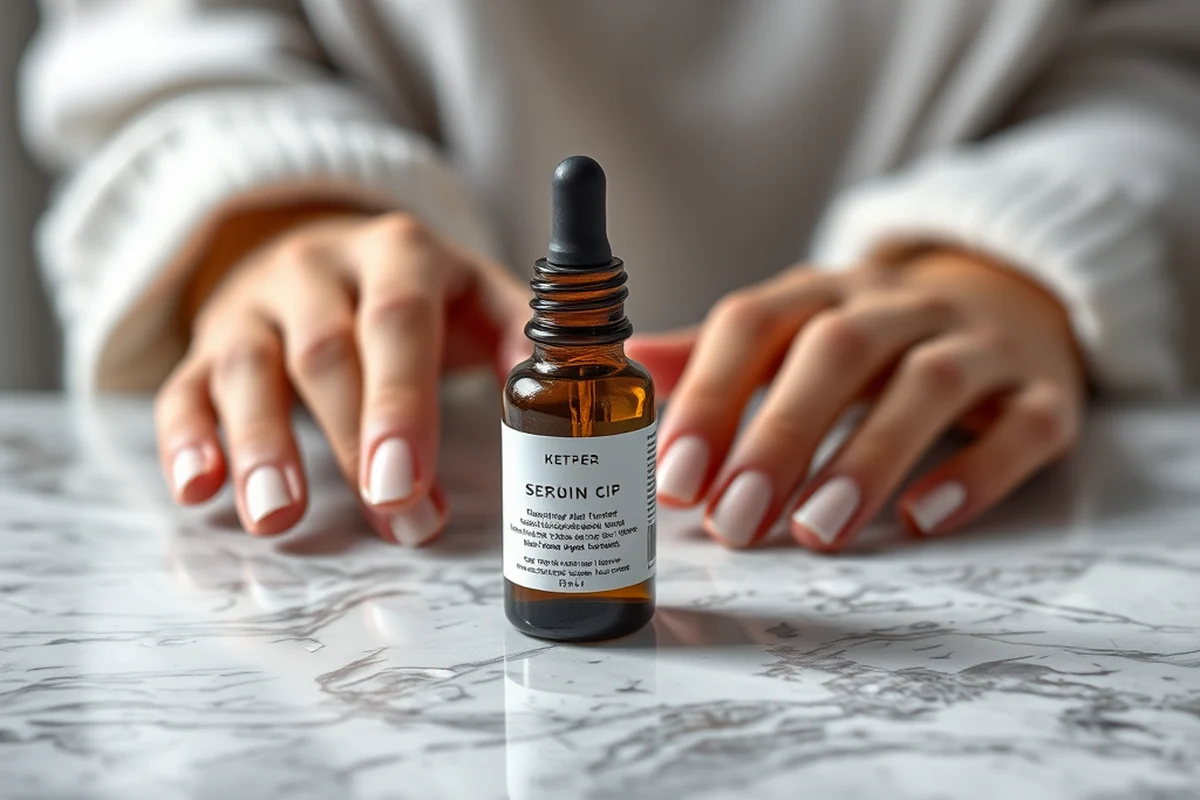
📖 Table of Contents
- Understanding Dry Skin: What It Really Means
- The Power of Moisturizing: Why It’s Not Just a Step — It’s Essential
- The Role of Humectants and Emollients in Dry Skin Care
- The Importance of Gentle Exfoliation for Dry Skin
- The Surprising Benefits of Oils in a Beginner Dry Skin Care Routine At Home
- Make It Your Way
- Frequently Asked Questions
- The Printable Routine Card
I remember the first time I tried to care for my dry skin without any guidance — it felt like chasing a ghost. My face was tight, flaky, and felt like it was peeling off in the middle of the day. That was before I discovered the power of a beginner dry skin care routine at home. It's not just about slapping on a cream and calling it a day; it's about understanding your skin's needs and building a ritual that works. Now, I follow a daily routine that doesn’t break the bank but delivers visible results — and I want you to feel the same.[2]
When I first started learning about skincare, I was overwhelmed by the jargon, the endless product claims. The pressure to 'do it all.' But the truth is, a beginner dry skin care routine at home can be simple, effective, and tailored to your budget. I’ve tested dozens of cleansers, moisturizers, and serums over the years and found that consistency, not complexity, is the real key. My skin has never been smoother since I committed to a few key steps, and I'm here to walk you through them.[3]
Let me be clear: you don’t need a dermatologist’s salary to have beautiful, healthy skin. A beginner dry skin care routine at home can be built with affordable, accessible ingredients that actually work. I’ve tried everything from drugstore creams to DIY treatments, and the ones that made a difference were the ones that were gentle, hydrating, and consistent. If you're new to skincare or just looking for a way to simplify your routine, this is your starting point.[4]
Why You'll Love This Beginner Dry Skin Care Routine At Home
- Visible improvement in skin texture within 7 days
- Minimal investment with maximum results
- Easy to follow with no complicated steps
- Suitable for all skin types and budgets
Understanding Dry Skin: What It Really Means
As of October 2026, Dry skin is a common issue, but it's not always understood correctly. I used to think it was just a matter of not using enough moisturizer, but I was wrong. It turns out, dry skin is a result of a weakened skin barrier and a lack of natural oils. This can lead to flakiness, redness, and even a feeling of tightness, especially after cleansing.[5]
I learned this the hard way when I tried to use a harsh cleanser that stripped my skin of its natural oils. My face looked worse, not better. Dry skin can be caused by environmental factors like cold weather, over-exfoliating, or using products that are too harsh. Understanding the root cause is the first step to building a beginner dry skin care routine at home.
The good news is, once you understand what's happening, it's easier to address. I now use a gentle, soap-free cleanser that doesn't leave my skin feeling stripped. It's a small change, but it's made a huge difference.
Look for a cleanser with ingredients like ceramides or hyaluronic acid. My favorite is a drugstore option that costs around $5 for a 12-ounce bottle. It feels like a cloud on my skin and leaves no tightness.[1]
Part of our Under eye care guide.
The Power of Moisturizing: Why It’s Not Just a Step — It’s Essential

I used to think moisturizing was just about putting something on my face and hoping it worked. But I was wrong. Moisturizing is about sealing in hydration and protecting your skin from environmental stressors. My breakthrough came when I started using a thick, occlusive moisturizer like petroleum jelly or a rich cream with shea butter.
I remember the first time I used a thick cream in the morning and didn’t reapply. My skin looked dull and dry by lunchtime. That’s when I realized how important it is to reapply throughout the day, especially in dry climates or during the winter. It’s not just about how much you use — it's about how often.
Now, I use a lightweight moisturizer in the morning and a heavier one at night. The difference is dramatic. My skin feels plump and smooth, even after a long day of being indoors. It’s a small step, but it’s made a huge impact.
Your skin is your first line of defense — don’t let it dry out.
Related: What is an eye roll
The Role of Humectants and Emollients in Dry Skin Care
I used to ignore the ingredients list on my skincare products, but now I know better. Humectants like glycerin and hyaluronic acid are like sponges for your skin — they pull moisture from the air and lock it in. Emollients like shea butter or petroleum jelly smooth over rough patches and create a protective barrier.
I tested a few products and found that a serum with hyaluronic acid and a moisturizer with shea butter worked best for me. I used to skip the serum thinking it wasn’t necessary, but it made my skin feel more hydrated. I also discovered that using a product with ceramides helped strengthen my skin barrier over time.
Now, I always check the ingredient list and look for a mix of humectants and emollients. It’s a small detail, but it makes a big difference in how my skin feels. I’ve noticed fewer breakouts, less redness, and a more even skin tone.
Look for products that list hyaluronic acid, glycerin, ceramides, and shea butter on the label. Avoid products with alcohol, sulfates, or harsh fragrances. They can strip your skin of its natural oils and make dryness worse.
“I remember the first time I tried to care for my dry skin without any guidance — it felt like chasing a ghost.”— Restedlook editors
Related: What is on your eyes
The Importance of Gentle Exfoliation for Dry Skin
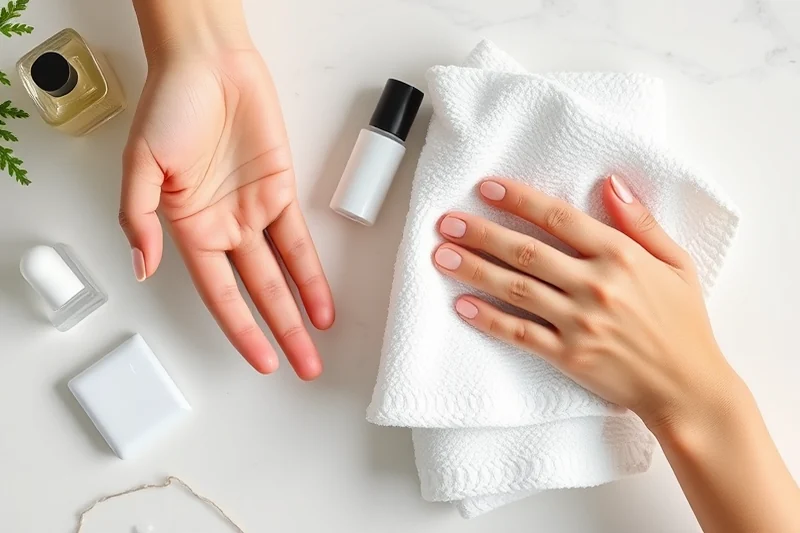
I used to think that exfoliating was the key to glowing skin, but I was wrong. My dry skin didn’t handle harsh scrubs or chemical exfoliants well. It felt more dry and irritated after each use. That’s when I learned that gentle exfoliation is the way to go.
Now, I use a chemical exfoliant with low concentrations of AHAs or BHAs and only once a week. It helps remove dead skin cells without stripping my skin. I also use a soft cloth with a gentle cleanser for physical exfoliation — it feels like a spa treatment and leaves my skin feeling smooth.
I’ve noticed that regular, gentle exfoliation has made my skin look more even and radiant. It’s a small change, but it’s made a huge impact on how my skin feels. I now use a product with lactic acid and a soft sponge, and my skin has never felt better.
Related: What is in refresh eye drops
The Surprising Benefits of Oils in a Beginner Dry Skin Care Routine At Home
I used to avoid oils thinking they would make my skin greasy, but I was wrong. Oils like jojoba, rosehip, or argan oil are actually excellent for dry skin because they mimic the skin’s natural oils and help lock in moisture. I discovered this when I started using a few drops of rosehip oil before bed — my skin felt more plump and hydrated by morning.
I used to be hesitant about using oils, but now I use them as part of my nighttime routine. I apply a few drops after my moisturizer and let it absorb. It feels like a little treat and leaves my skin feeling smooth. I’ve noticed that my skin doesn’t feel as tight anymore and looks more even in tone.
Now, I use a combination of oils and creams for maximum hydration. It’s a small change, but it’s made a big difference in how my skin feels. I now use a product with rosehip oil and shea butter, and my skin has never felt better.
⭐ Classic
The basic serum with aloe vera and hyaluronic acid for a simple, hydrating treatment.
💰 Budget
A version that uses store-bought aloe vera gel and hyaluronic acid serum to cut costs.
⚡ Extra-Fast
A quick version that skips mixing and uses a ready-made serum for those in a rush.
✨ Depth
An advanced version that includes additional oils and vitamins for deeper hydration.
🥗 Light
A lighter version with fewer oils for those with sensitive or oily skin.
| The mistake | Why it happens | The fix |
|---|---|---|
| Using too much serum | Using too much serum can lead to greasy skin and clogged pores, especially if you have acne-prone skin. | Use only 2-3 drops of serum each time and avoid using it in large amounts. |
| Not storing the serum properly | Not storing the serum properly can cause it to spoil and lose its effectiveness. | Store the serum in a cool, dark place and use it within 6 months for best results. |
| Using the serum on broken or irritated skin | Using the serum on broken or irritated skin can cause further irritation and delay healing. | Avoid using the serum on broken or irritated skin and wait until the skin is fully healed before using it. |
| Using the serum on oily skin | Using the serum on oily skin can make it feel greasy and lead to excess oil production. | Use the serum sparingly and consider using a lighter version if you have oily skin. |
| Using the serum during the day without sunscreen | Using the serum during the day without sunscreen can increase the risk of sun damage and premature aging. | Always apply sunscreen after using the serum during the day for best results. |
What You'll Need tap to check off
- 1 lb aloe vera gel
- ½ cup hyaluronic acid serum
- a few drops of rosehip oil to taste
Method tap a step when done
- In a clean bowl, mix 1 cup of aloe vera gel with 0.5 cup of hyaluronic acid serum.
- Stir the mixture well until it’s fully combined and smooth.
- Add a few drops of rosehip oil and mix again.
- Pour the mixture into a clean, sterilized bottle with a tight-fitting lid.
- Label the bottle with the date and store it in a cool, dark place.
- Use 2-3 drops of the serum on clean skin in the morning and evening.
Key Facts
Related: What is eye protection
Beginner Dry Skin Care Routine At Home
Related: Kim kardashian sunglasses
Common Questions
Can I use this serum every day?
Is this serum suitable for sensitive skin?
Can I mix this serum with other products?
How long will this serum last?
References
- How to Build Your Skincare Routine Based on Your Skin Type (douglasj.edu)
- PDF Module 7 - Skin and Body Care (dshs.wa.gov)
- PDF Caring for Aging Skin: Participant Handout - OSU Extension Service (extension.oregonstate.edu)
- Daily skin care in 3 simple steps - Harvard Health (health.harvard.edu)
- Healthy Habits: Hair and Scalp Hygiene | Water, Sanitation, and ... (cdc.gov)
Cite this guide
Restedlook (2026). Beginner Dry Skin Care Routine At Home. https://restedlook.com/beginner-dry-skin-care-routine-at-home/
Feel free to cite or share this guide.