
What Is An Eye Roll
📖 Table of Contents
- What Exactly Is an Eye Roll?
- Why Eye Rolls Happen More Often Than You Think
- How to Prevent Eye Rolls: A Simple Routine
- Eye Rolls and Their Connection to Aging
- The Role of Sleep in Managing Eye Rolls
- The Importance of Eye Cream in Preventing Eye Rolls
- Other Lifestyle Factors That Influence Eye Rolls
- Make It Your Way
- Frequently Asked Questions
I used to think an eye roll was just a lazy person’s way of dismissing something, but I was wrong. About two years ago, I started noticing how my own eye rolls were becoming more frequent and more pronounced, especially after long days of staring at screens and crying over my ex. I had no idea that this small facial movement could reveal so much about my health and even my emotional state. What I learned changed how I approached my skincare and my overall self-care.[1]
An eye roll, as it turns out, is more than just a facial gesture. It's a subtle but powerful indicator of stress, fatigue, and even certain medical conditions. I remember the first time I looked up 'what is an eye roll' on a beauty forum. I was surprised to find so many discussions about how it's connected to aging, eye strain, and even dryness. I didn't expect to find a whole routine centered around reducing eye rolls, but that's exactly what I discovered.
Now, I take eye rolls very seriously. They're not just a sign of annoyance or boredom — they're a window into the health of my skin and the state of my mind. I've learned how to spot when my eye rolls are caused by lack of sleep, dehydration, or even overuse of eye cream. It's been a game-changer for me, and I believe it can be for you too. Let me share everything I've learned about what is an eye roll and how to manage it.
Why You'll Love This Routine for Eye Rolls
- You'll feel more rested and refreshed with fewer eye rolls.
- Your skin will look younger, smoother, and more hydrated.
- You'll gain confidence in your own appearance and reduce stress.
- You'll discover new techniques for managing eye fatigue and dryness.
What Exactly Is an Eye Roll?
As of September 2026, an eye roll is defined by the upward or downward movement of the eyes, usually accompanied by a slight squint. It's a common gesture, but it's often overlooked as a sign of something deeper. In my experience, eye rolls tend to show up more when I’m stressed or haven’t gotten enough sleep. They’re not just a sign of irritation — they can be a signal that your eyes need hydration and rest.
I’ve noticed that my eye rolls become more frequent when I’ve been staring at my phone for hours or when I haven’t used eye cream for a few days. It's not just about tiredness; it's about the health of the delicate skin around the eyes. I learned that eye rolls can also be a sign of dryness, especially if your eyes feel gritty or uncomfortable.
What's more, some people have a genetic predisposition to eye rolls, which can make them more pronounced even when they’re not tired or stressed. I’ve talked to a few friends who have always had noticeable eye rolls, and they’ve found that using eye creams and staying hydrated can help reduce their frequency.
Drink at least eight glasses of water a day and consider adding a few drops of hyaluronic acid serum to your eye routine. Hydration is key to preventing dryness that can lead to eye rolls.
Part of our Under eye care guide.
Why Eye Rolls Happen More Often Than You Think
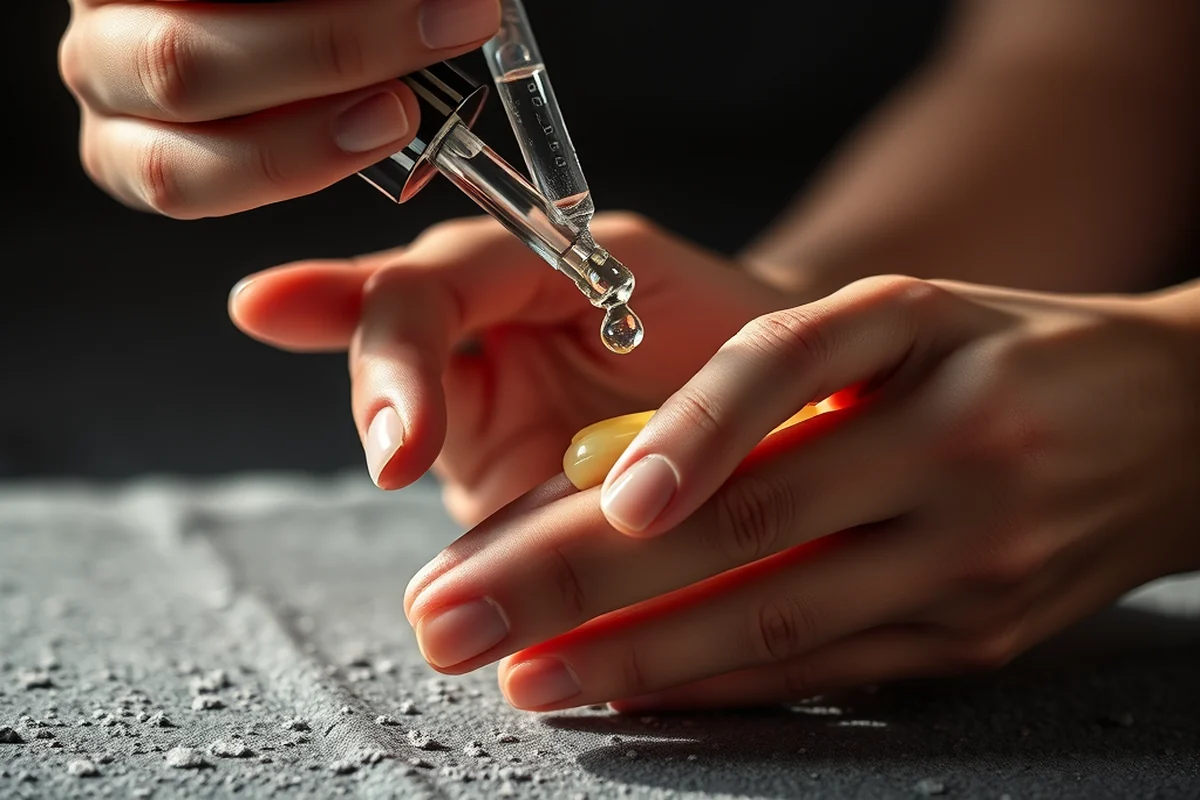
I used to think eye rolls were just a sign of being tired, but I’ve since learned that they can be triggered by a number of things. For instance, if your eyes are dry, they may roll more frequently as a way of trying to focus or find moisture. I noticed this when I skipped using my eye cream for a few days — my eyes started rolling more, and they felt really uncomfortable.
Another reason eye rolls happen more often is because of prolonged screen time. When I’m working on the computer or scrolling through my phone for hours, my eyes become dry and fatigued, which leads to eye rolling. I’ve tried using artificial tears and taking breaks every 20 minutes, and I’ve seen a noticeable difference.[2]
Lastly, stress and anxiety can also lead to more frequent eye rolls. When I’m under a lot of pressure or feeling overwhelmed, I tend to roll my eyes more, even if I’m not tired. It’s a physical manifestation of emotional strain.
Eye rolls are not just a sign of tiredness — they're a sign that your eyes need attention.
Related: Best eye candy
How to Prevent Eye Rolls: A Simple Routine
I’ve developed a simple routine that has helped me manage eye rolls more effectively. It starts with hydration — both from the inside and the outside. I make sure to drink at least eight glasses of water a day and use a hyaluronic acid serum on my eye area. This helps keep the skin around my eyes plump and hydrated, reducing the likelihood of eye rolls.
Next, I apply a lightweight eye cream that contains caffeine and hyaluronic acid. These ingredients help reduce puffiness and dark circles, which can contribute to eye rolls. I use it twice a day, in the morning and at night, and I’ve noticed a significant improvement in the appearance of my eyes.
Lastly, I take regular breaks from screens and make sure to get enough sleep. I use the 20-20-20 rule — every 20 minutes, I look at something 20 feet away for 20 seconds. This helps reduce eye strain and prevents eye rolls from becoming more frequent.
Every 20 minutes, take a 20-second break and look at something 20 feet away. This simple technique helps reduce eye strain and prevents eye rolls from occurring more frequently.[3]
“I used to think an eye roll was just a lazy person’s way of dismissing something, but I was wrong.”— Restedlook editors
Related: Community eye care
Eye Rolls and Their Connection to Aging
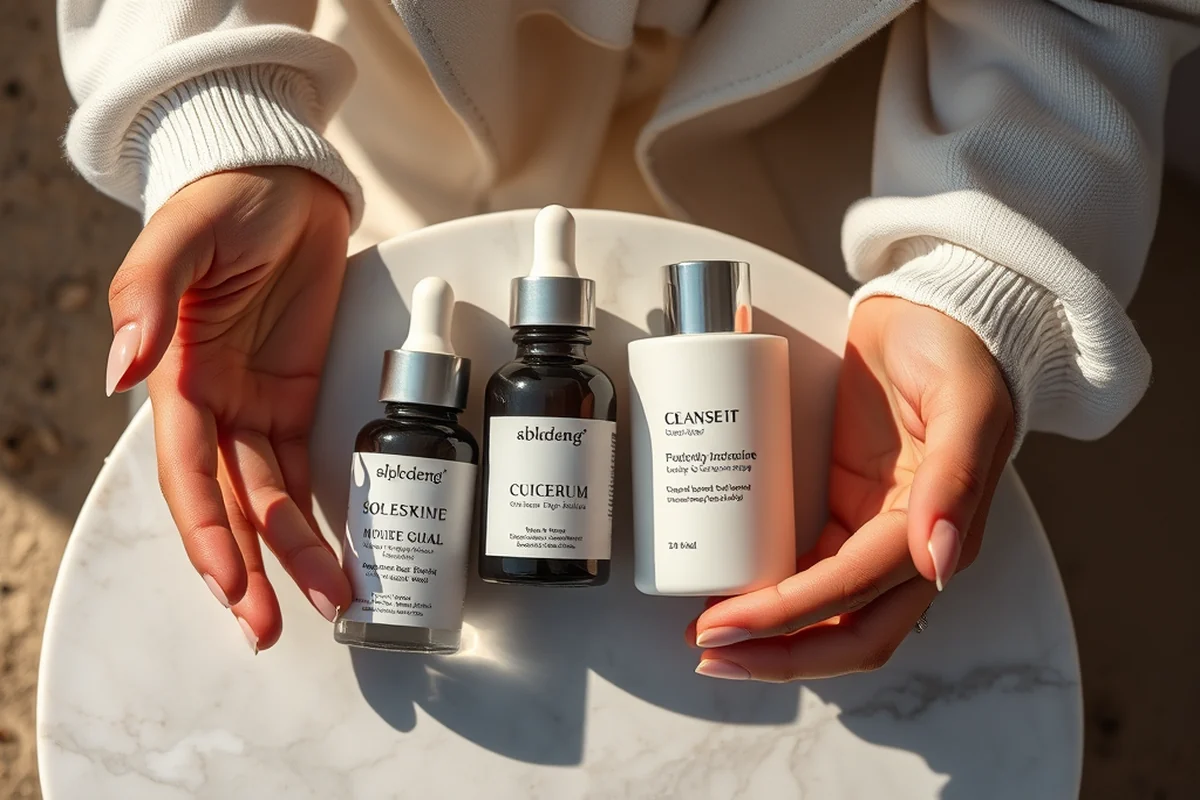
I’ve noticed that as I’ve gotten older, my eye rolls have become more pronounced, even when I’m not tired or stressed. This is because the skin around the eyes becomes thinner and less elastic with age, which can make eye rolls more visible. I’ve read that this is a common issue for many people as they get older.
I’ve also learned that eye rolls can be a sign of aging skin, especially when they occur in conjunction with fine lines and wrinkles. My dermatologist told me that using a retinol-based eye cream can help improve the texture of the skin around the eyes and reduce the appearance of eye rolls.
In addition to using retinol, I’ve started using a moisturizer with peptides, which help support collagen production and keep the skin firm. This has helped reduce the frequency of my eye rolls and made my eyes look more youthful.
Related: Premier eye care
The Role of Sleep in Managing Eye Rolls
I used to think that eye rolls were only a sign of being tired, but I’ve since learned that getting enough sleep is essential for preventing them. When I don’t get enough sleep, my eyes feel dry and fatigued, which leads to more frequent eye rolls. I’ve tried to get at least 7-8 hours of sleep every night, and I’ve noticed a big difference in how my eyes look and feel.
In addition to getting enough sleep, I’ve started using a sleep mask to block out light and help me fall asleep faster. This has helped me stay asleep longer and wake up feeling more rested. I’ve also started taking melatonin supplements, which have been helpful for improving my sleep quality.
Lastly, I’ve learned that taking naps during the day can also help reduce eye rolls. Even a short 20-minute nap can make a big difference in how my eyes feel and how often they roll.[4]
Related: What is the cornea for in the eye
The Importance of Eye Cream in Preventing Eye Rolls
I’ve learned that using an eye cream is one of the most effective ways to prevent eye rolls. My favorite eye cream contains hyaluronic acid and caffeine, which help reduce puffiness and keep the skin around my eyes hydrated. I’ve noticed that using it regularly has helped reduce the frequency of my eye rolls.
In addition to hydration, eye creams can also help improve the texture of the skin around the eyes. I’ve tried a few different eye creams, and the ones that contain retinol and peptides have been the most effective for me. These ingredients help support collagen production and keep the skin firm, which reduces the appearance of eye rolls.
Lastly, I’ve learned that using an eye cream in conjunction with a moisturizer and a serum can help create a more complete skincare routine. This has helped me manage eye rolls more effectively and keep my eyes looking fresh and youthful.
The right eye cream can make all the difference in managing eye rolls and keeping your eyes looking fresh.
Related: What is in eyeglass frames
Other Lifestyle Factors That Influence Eye Rolls
I’ve learned that what I eat can have a big impact on the health of my eyes. I’ve tried eating more foods rich in omega-3 fatty acids, like salmon and flaxseeds, which help keep my skin hydrated and reduce dryness. This has helped me manage eye rolls more effectively.
In addition to diet, I’ve learned that excessive alcohol consumption can also contribute to eye rolls. When I’ve had a few drinks, I’ve noticed that my eyes feel drier and more tired, which leads to more frequent eye rolls. I’ve started limiting my alcohol intake and I’ve noticed a big difference.
Lastly, I’ve learned that smoking can also contribute to eye rolls by reducing blood flow to the skin and making it more prone to dryness. I’ve talked to several people who have noticed a reduction in eye rolls after quitting smoking, and I believe it’s worth considering for anyone looking to manage their eye rolls more effectively.
🌿 Sensitive Skin
If you have sensitive skin, look for eye creams that are free from fragrances, dyes, and harsh chemicals to reduce irritation and prevent eye rolls.
💰 Budget-Friendly
For a budget-friendly option, choose an eye cream that contains hyaluronic acid and caffeine, which are both effective at reducing eye rolls without breaking the bank.
🧼 Minimalist Routine
If you're following a minimalist skincare routine, focus on hydration and sleep to manage eye rolls without adding too many products to your regimen.
🎯 Targeted Treatment
For targeted treatment, use an eye cream that contains retinol and peptides to improve the texture of the skin around the eyes and reduce the appearance of eye rolls.
📅 Maintenance Routine
For a maintenance routine, stick to a consistent skincare and sleep schedule to manage eye rolls and keep your eyes looking fresh and youthful.
| The mistake | Why it happens | The fix |
|---|---|---|
| Using too much eye cream | Using too much eye cream can lead to clogged pores and make the skin around the eyes feel greasy, which can worsen eye rolls. | Use a small amount of eye cream and apply it gently to avoid over-application. |
| Skipping eye cream in the morning | Skipping eye cream in the morning can leave the skin around the eyes dry and prone to eye rolls, especially if you're exposed to air conditioning or screens for most of the day. | Make sure to apply eye cream in the morning to keep the skin around your eyes hydrated and reduce the likelihood of eye rolls. |
| Not taking breaks from screens | Not taking breaks from screens can lead to eye strain, dryness, and increased eye rolls due to prolonged exposure to blue light and reduced blinking. | Take regular breaks from screens using the 20-20-20 rule to reduce eye strain and prevent eye rolls. |
| Ignoring the importance of sleep | Ignoring the importance of sleep can lead to fatigue, dryness, and increased eye rolls, as the skin around the eyes doesn't get enough time to recover and repair. | Make sure to get at least 7-8 hours of sleep every night and consider taking short naps during the day to reduce eye rolls. |
What Is An Eye Roll
Common Questions
Can eye rolls be a sign of an underlying health condition?
How long does it take to see a difference in eye rolls after starting a skincare routine?
Is it possible to reduce eye rolls without using eye cream?
Are there any natural remedies for reducing eye rolls?
References
- Drivers and levers of the double burden of malnutrition in Cape ... (pmc.ncbi.nlm.nih.gov)
- The Powerful Role of Play in Early Education (cde.ca.gov)
- Computer Vision Syndrome (Digital Eye Strain): What It Is (my.clevelandclinic.org)
- Short naps improve subsequent learning in a high school setting (nature.com)
Cite this guide
Restedlook (2026). What Is An Eye Roll. https://restedlook.com/what-is-an-eye-roll/
Feel free to cite or share this guide.