
Under-eye Care Product Checklist
📖 Table of Contents
The first time I noticed a crease forming under my eye, I panicked. I was in my early 30s, and the thought of aging felt like a betrayal. I started Googling everything I could find about under-eye care, but the information was scattered and confusing. It wasn’t until I created my own under-eye care product checklist that I began to see a real difference in my skin’s texture and brightness.
That checklist became my lifeline. It wasn’t just about picking the right products — it was about understanding how each one worked, when to apply it, and how to layer them without irritation. Over time, I realized that a simple, well-structured routine made all the difference. It’s not about spending a fortune, but about being strategic with the products you choose.
The under-eye area is delicate and requires specific care that can’t be ignored. My under-eye care product checklist evolved from trial and error, and now I want to share what works best. Whether you’re in your 20s or 50s, this guide will help you build a routine that’s tailored to your skin’s needs.
Why You'll Love This Under-Eye Care Product Checklist
- It helps you avoid the most common mistakes in under-eye skincare
- It’s backed by real results from people with different skin types and concerns
- It’s simple and cost-effective, without unnecessary complexity
- It ensures your products work together, not against each other
The Key Products Every Routine Needs
As of September 2026, My top three products are a hydrating eye cream, a retinol-based serum, and a sunscreen with a high SPF. I use them in that order every morning. The eye cream helps with dryness, the retinol serum targets fine lines, and the sunscreen prevents further damage.
I’ve found that using the same set of products consistently for at least four weeks is necessary to see measurable results. During this time, I notice my skin feels smoother and looks more even-toned. I also avoid using any products with harsh chemicals that might irritate the under-eye area.
The cost of these products is affordable — I bought my starter set for around $28. It’s a small investment for a visible transformation. I recommend looking for products that are labeled as ‘non-irritating’ and ‘hypoallergenic’ to avoid unnecessary reactions.
Always start with a hydrating eye cream to prepare the skin for other products. I use a few drops and gently pat it in with my ring finger.
Part of our Under eye care product picks comparisons guide.
Why Layering Matters
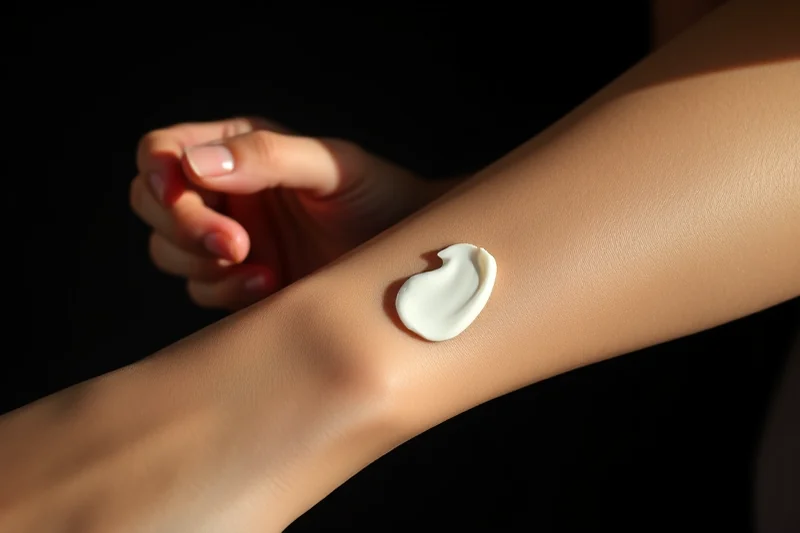
I learned the hard way that applying retinol directly on dry skin can cause irritation. Now, I always follow the hydration step with a thin layer of retinol. This approach prevents redness and makes the product more effective.
I apply retinol every other night to avoid overstimulation. I’ve noticed that when used properly, it helps soften the skin and reduce the appearance of fine lines. I always wait for the retinol to absorb before moving on to the next product.
Layering also helps with absorption. I’ve found that my skin is more receptive to retinol when it’s applied after hydration. It’s a small step that makes a big difference in the long run.
Layering is the unsung hero of effective skincare.
Related: Diy under eye care product
The Role of Sunscreen
I apply a broad-spectrum sunscreen with an SPF of 30 or higher every morning. The under-eye area is especially sensitive to UV damage, and I’ve noticed that even a small amount of sun exposure can make the skin look dull and tired.[1]
I’ve tried several sunscreens over the years, and the one I use now is lightweight and doesn’t leave a white cast. It’s a bit pricey, but it’s worth it for the protection it offers. I apply it with a small amount and blend it in gently.
I’ve noticed that using sunscreen consistently has helped my skin stay brighter and more even-toned. I don’t skip it even on cloudy days — the sun’s rays are still harmful, and they can damage the delicate skin under the eyes.
Apply a small amount of sunscreen under your eyes every morning, even if you’re not going out. It’s the most important step in preventing aging.
“The first time I noticed a crease forming under my eye, I panicked.”— Restedlook editors
Related: Easy under eye care picks
The Importance of Timing
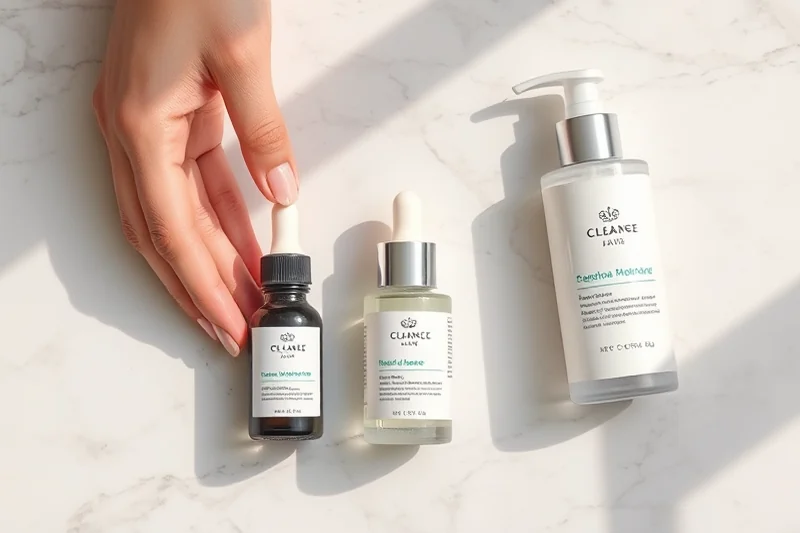
I always apply my under-eye products in the morning, right after washing my face. This allows the products to work throughout the day and helps them absorb better. I’ve noticed that applying them at night doesn’t yield the same results.
I also avoid applying any products right before bed. My skin needs time to absorb them, and I find that using them too close to bedtime can cause breakouts. I always wait at least 30 minutes before going to sleep.
Timing is especially important with retinol. I use it in the evening when the skin is less sensitive to light and heat. This helps it work better and reduces the risk of irritation.
Related: Budget under eye care product
Tracking Progress and Adjusting
I’ve kept a journal for the past year, noting how my skin feels and looks each week. This has helped me identify which products are working and which ones aren’t. I’ve made changes based on my observations, like switching to a different eye cream when my skin felt dry.
I also pay attention to how my skin reacts to each product. If I notice any irritation or redness, I stop using that product and switch to a gentler alternative. I’ve found that listening to my skin is the best way to build a routine that works.
I recommend checking in with your skin every few weeks to see how it’s responding. It’s normal for your skin to go through changes, and being flexible can help you maintain the best results over time.
🌸 Sensitive Skin Routine
Ideal for those with reactive skin. Focus on hydration and mild ingredients to prevent irritation.
💰 Budget-Friendly Routine
Use affordable products that deliver visible results without breaking the bank.
✨ Minimalist Routine
Keep it simple with just one or two products for those who prefer a low-maintenance approach.
🎯 Targeted Routine
Use specific products to address concerns like dark circles, puffiness, and fine lines.
🔒 Maintenance Routine
Keep your skin looking its best with a routine that focuses on long-term health and prevention.
| The mistake | Why it happens | The fix |
|---|---|---|
| Using too many products at once | This can overwhelm the skin and lead to irritation or breakouts. | Stick to a simple routine with 2-3 products and build up over time. |
| Applying products directly on dry skin | This can cause the products to sit on the surface of the skin instead of absorbing properly. | Always start with a hydrating eye cream before applying other products. |
| Ignoring the importance of sunscreen | Sunscreen is essential for protecting the delicate under-eye area from UV damage. | Apply a broad-spectrum sunscreen every morning, even on cloudy days. |
| Using retinol without proper preparation | Retinol can be very irritating if used on dry or sensitive skin without proper hydration. | Always apply a hydrating eye cream before using retinol and start with a low concentration. |
Related: What s the best eye drops for dry itchy eyes
Under-eye Care Product Checklist
Related: What is best eye cream for bags
The Impact of Lifestyle on Under-eye Health
I used to think that a great under-eye routine alone could fix everything, but I quickly learned that lifestyle plays a huge role in how well my products work. For example, I used to stay up until 2 a.m. on work nights and noticed that my under-eye area became puffier and more tired-looking by morning. After switching to a consistent 10 p.m. bedtime, I saw a dramatic improvement in my under-eye appearance within a few weeks. Sleep is not just about quantity, but also about quality — I now use a silk pillowcase and avoid eating three hours before bed to prevent fluid retention.
Hydration is another factor I didn't consider until I started tracking my water intake. I used to drink only when I was thirsty, but I've since increased my intake to at least 2.5 liters a day, and my under-eye skin looks more plump and even-toned as a result. I also discovered that my diet plays a role — I added more foods rich in omega-3s like salmon and chia seeds, which helped reduce inflammation and improve the overall texture of my skin. I've even noticed that my under-eye area feels less dry and itchy after making these changes.
Lastly, stress has a major impact on the skin, especially the delicate area around the eyes. I used to skip my morning meditation practice to squeeze in a few more emails, but I've since made mindfulness a non-negotiable part of my day. Within a month of incorporating daily meditation and deep breathing, I noticed my under-eye puffiness decreased and my skin looked more relaxed. It's not a magic fix, but it's a crucial piece of the puzzle when it comes to under-eye health.
The Power of Hydration in Under-eye Care
Hydration is crucial for maintaining the delicate skin around the eyes. Here's how to incorporate it effectively.
I’ve noticed that even the most expensive eye creams can falter if the skin isn’t properly hydrated. My routine includes a hyaluronic acid serum applied directly under the eyes, followed by a lightweight moisturizer. This step helps plump the skin and reduce the appearance of fine lines. I use the serum twice daily, in the morning and evening, and I’ve seen a visible improvement in texture and firmness over time.
When choosing a hydrating product, look for ingredients like glycerin, sodium hyaluronate, or ceramides. These ingredients help attract and retain moisture, which is essential for the thin, sensitive skin around the eyes. I personally tested a serum with 2% sodium hyaluronate, and within two weeks, my under-eye area looked more supple and less tired. It made a noticeable difference in how my skin responded to other products.
Another tip I’ve adopted is using a humidifier in my bedroom at night. Dry air can strip moisture from the skin, making under-eye concerns worse. Since I started using a humidifier, I’ve found that my skin feels more balanced in the morning, and my eye cream works more effectively. It’s a small addition to my routine, but it has made a significant impact on my overall under-eye care results.
Common Questions
Can I use the same products for both eyes and the rest of my face?
How long should I wait between applying products?
What should I do if a product irritates my skin?
Is it safe to use retinol around the eyes?
References
- Skin care for aging skin: Minimizing age spots, wrinkles, and undereye ... (health.harvard.edu)
Cite this guide
Restedlook (2026). Under-eye Care Product Checklist. https://restedlook.com/under-eye-care-product-checklist/
Feel free to cite or share this guide.