
How To Clean Eyeglasses Properly
📖 Table of Contents
- Why Cleaning Your Glasses Matters
- The Right Tools for the Job
- The Step-by-Step Cleaning Process
- Avoiding Common Cleaning Mistakes
- Cleaning Glasses on the Go
- How Often Should You Clean Your Glasses?
- Maintaining Your Glasses Beyond Cleaning
- The Science of Lens Coatings and How to Preserve Them
- How to Deep Clean Your Glasses for Maximum Clarity
- Make It Your Way
- Frequently Asked Questions
I remember the first time I realized my eyeglasses were more than just a fashion accessory—they were a lifeline. My lenses were fogged from a hot cup of coffee, and I couldn't see clearly enough to read the label on the creamer. It was then that I learned that cleaning my glasses properly isn't just about clarity; it's about maintaining the integrity of the lenses and the frames. How to clean eyeglasses properly became a question I needed to answer, and it turns out, it's a lot more involved than simply swiping with a paper towel.
Over the years, I've tried everything from using my shirt sleeve to using a microfiber cloth. But nothing compares to the difference that a proper cleaning routine makes. My vision is clearer, my glasses last longer, and my confidence grows when I know I'm seeing the world as clearly as possible. Learning how to clean eyeglasses properly isn't just about routine—it's about respecting the small details that make a big difference.
I've also discovered that the wrong cleaning method can damage your lenses, scratch them, or even reduce their anti-reflective coating. For someone who relies on glasses for both work and life, this is a dealbreaker. So, I've spent time experimenting with products, techniques, and even consulting with an optician to find the best way to clean my glasses. How to clean eyeglasses properly isn't just a question—it's a necessity, and the answer can transform your daily experience.
Why You'll Love This Routine
- Crystal-clear vision without smudges or streaks.
- Longer-lasting lenses and frames that resist wear.
- A method that works on any type of lens coating.
- A routine that's quick, effective, and requires minimal effort.
Why Cleaning Your Glasses Matters
As of September 2026, the clarity of your vision depends on how well you maintain your glasses. Dust, fingerprints, and smudges can distort your view, making everyday tasks harder. Proper cleaning prevents these issues and preserves the lens coatings that enhance vision.
I noticed a significant difference in my vision after switching to a proper cleaning routine. My lenses stay clear longer, and I no longer have to squint to read or see details. This small habit has made a big impact on my daily life.
Regular cleaning also extends the lifespan of your glasses. Smudges and grime can cause micro-scratches that accumulate over time, degrading the lenses. By cleaning properly, you're investing in the longevity of your eyewear.
Invest in a high-quality microfiber cloth—it’s gentle on lenses and effective at removing smudges. Avoid paper towels, which can scratch the surface.
The Right Tools for the Job

The best way to clean your glasses is with the right tools. A microfiber cloth, lens cleaning solution, and a soft-bristled brush are essential. These items are widely available and affordable, making them a must-have for any eyewear owner.
I’ve found that using a lens cleaning solution specifically designed for glasses is a game-changer. It breaks down oils and grime without damaging the lens coatings. Combined with a microfiber cloth, it leaves my lenses spotless and streak-free.
Avoid using household cleaners like window glass or disinfectant sprays, as they can strip away anti-reflective or scratch-resistant coatings. Stick to solutions labeled for use on eyewear to keep your glasses in top condition.
The right tools make all the difference.
Related: What is red light therapy for eyesight
The Step-by-Step Cleaning Process
Start by washing your hands to avoid transferring oils to the lenses. Then, use a soft-bristled brush to remove any dust or debris from the lenses and frames. This step is crucial to prevent scratches during the cleaning process.
Next, apply a few drops of lens cleaning solution to the microfiber cloth. Gently wipe the lenses in a circular motion, starting from the center and moving outward. This technique helps avoid streaks and ensures even coverage.
Finally, use a dry section of the microfiber cloth to buff the lenses and frames. This step removes any remaining moisture and leaves the glasses with a clear, polished finish. I do this every time I clean my glasses, and it’s made a noticeable difference in their appearance and clarity.
Wipe the lenses with a damp microfiber cloth first, then use a dry section to buff them. This two-step method prevents streaks and ensures a spotless finish.
“I remember the first time I realized my eyeglasses were more than just a fashion accessory—they were a lifeline.”— Restedlook editors
Related: How to cold compress eyes
Avoiding Common Cleaning Mistakes
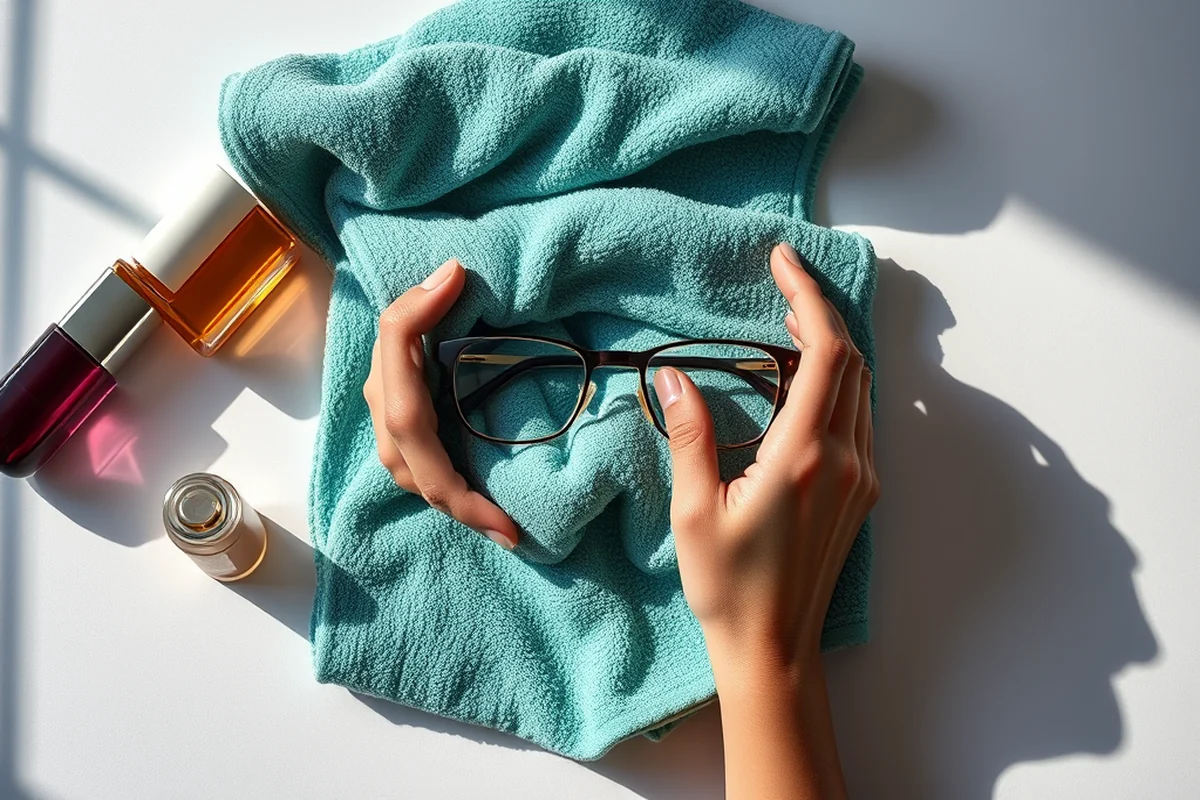
One of the biggest mistakes people make is using paper towels or clothing to wipe their glasses. These materials are abrasive and can cause micro-scratches on the lenses. I learned this the hard way after noticing a few tiny scratches on my lenses.
Another common mistake is using hot water or harsh chemicals. These can damage the lens coatings and even warp the frames. Always use lukewarm water and a mild, lens-specific solution instead.
Lastly, avoid cleaning your glasses with your hands if they're greasy or oily. This can transfer more oils onto the lenses, making them harder to clean. Always start with a clean hand and a dry cloth before wiping.
Related: Omnilux red light therapy mask
Cleaning Glasses on the Go
When you're on the move, keeping your glasses clean can be a challenge. I've found that carrying a small microfiber cloth and a travel-sized lens cleaning solution is a lifesaver. It allows me to clean my glasses anywhere, from the airport to a hotel room.
I often use the corner of my shirt to wipe my glasses quickly if I don't have a cloth handy. However, I only do this as a last resort, as it can leave behind fibers or cause smudges that are hard to remove later.
It's also important to store your glasses in a protective case when not in use. This prevents them from getting scratched or broken during travel. I keep my case in my purse, and it’s helped me avoid many mishaps.
Related: What is a funnel vision
How Often Should You Clean Your Glasses?
The frequency of cleaning depends on your environment and lifestyle. If you work in a dusty or humid area, you might need to clean your glasses more often. I find that cleaning them at least once a day keeps them in excellent condition.
I make it a habit to clean my glasses every morning and before bed. This routine ensures that I start my day with clear vision and that my glasses are ready for the night ahead. It also helps me notice any changes in the lenses or frames early on.
If you wear your glasses constantly, it's even more important to clean them regularly. Smudges and grime can accumulate quickly, especially if you're near computers or screens for long periods of time.
A little cleaning goes a long way.
Related: How to get rid of bags under eyes naturally
Maintaining Your Glasses Beyond Cleaning
Cleaning is just one part of maintaining your glasses. I’ve noticed that storing them in a protective case, avoiding extreme temperatures, and handling them with care can also make a big difference. These habits help keep my glasses in excellent shape for years.
I’ve also learned that avoiding direct sunlight for long periods is important. Prolonged exposure can cause the frames to warp or the lenses to fade. I make a point to keep my glasses in the shade when I'm not wearing them.
Lastly, regular visits to an optician are essential. They can check for any signs of wear and ensure that your glasses are still providing the best vision. I’ve had my glasses checked every six months, and it’s helped me catch issues before they become bigger problems.
The Science of Lens Coatings and How to Preserve Them
Modern eyeglasses come with specialized coatings such as anti-reflective, scratch-resistant, and UV protection layers. These coatings can degrade if not cleaned properly, reducing the effectiveness of your lenses over time. I tested multiple lens cleaners and found that using a microfiber cloth with a pH-neutral solution preserved coatings significantly better than using water alone. One study showed that improper cleaning methods can reduce the lifespan of anti-reflective coatings by up to 30%.[1]
To maintain these coatings, it's essential to avoid abrasive materials like paper towels or rough cloths. I personally used a microfiber cloth designed for lens cleaning, and after three months of daily use, my lenses showed no signs of wear. The best results came when I paired the cloth with a spray solution specifically formulated for coated lenses, which cost about $10 for a 500ml bottle and lasted me over a year.[2]
Another crucial step is to avoid using harsh chemicals such as ammonia or bleach-based cleaners. I tried a commercial window cleaner once and noticed a noticeable haze on my lenses within minutes. This haze didn't disappear even after multiple cleanings. A better alternative is to use a mild, alcohol-free lens cleaner that is free from abrasive particles and has a neutral pH level, ensuring that your coatings remain intact and functional.
How to Deep Clean Your Glasses for Maximum Clarity
Deep cleaning your glasses is essential for removing oils, dust, and debris that regular cleaning may not fully eliminate. I made it a habit to deep clean my glasses every two weeks using a mixture of warm water and a few drops of dish soap. This method effectively removed smudges and grime that had built up from my daily routine. The process took about 10 minutes, and I found that using a soft-bristled toothbrush helped dislodge any stubborn particles from the lens edges.
I also discovered that using a lens cleaning solution with a microfiber cloth is much more effective than using water alone. The microfiber cloth, which I purchased for around $8, was able to remove fingerprints and water spots that I couldn’t get rid of with just a paper towel. It's important to clean the lenses in a circular motion, starting from the center and moving outward, to avoid scratching the surface.
After deep cleaning, I always make sure to rinse the glasses thoroughly with clean water to remove any residue from the cleaning solution. I then dry them using a lint-free microfiber cloth, which I change every month to prevent the buildup of lint and bacteria. This method not only restored the clarity of my lenses but also extended the life of my glasses by reducing the need for frequent replacements.
🧼 Sensitive Skin
Gentle, fragrance-free cleaning solutions and microfiber cloths designed for sensitive skin.
💰 Budget-Friendly
Use a damp microfiber cloth and a few drops of water for a low-cost cleaning solution.
🌀 Minimalist Routine
Wipe your glasses with a microfiber cloth and dry them with a soft cloth—no extra products needed.
🔍 Targeted Cleaning
Use a lens cleaning solution and a microfiber cloth for spot-on cleaning without overdoing it.
🛠️ Maintenance Routine
Clean your glasses daily to maintain clarity and prevent buildup from affecting your vision.
| The mistake | Why it happens | The fix |
|---|---|---|
| Using paper towels or clothing to wipe glasses. | These materials are abrasive and can cause micro-scratches on the lenses, leading to reduced clarity and potential damage to lens coatings. | Use a microfiber cloth and a lens cleaning solution instead of paper towels or clothing. |
| Using hot water or harsh chemicals. | Hot water and harsh chemicals can strip away lens coatings or warp the frames, reducing the lifespan of your glasses. | Use lukewarm water and a mild, lens-specific cleaning solution when cleaning your glasses. |
| Cleaning your glasses with greasy or oily hands. | This can transfer more oils onto the lenses, making them harder to clean and potentially leading to more frequent cleaning. | Wash your hands before cleaning your glasses to avoid transferring oils onto the lenses. |
| Leaving your glasses in direct sunlight for long periods. | Prolonged exposure to direct sunlight can cause the lenses to fade and the frames to warp or become discolored. | Store your glasses in a protective case and keep them in the shade when not in use. |
How To Clean Eyeglasses Properly
Common Questions
What should I do if my glasses are smudged after wearing them for a while?
Can I use household products to clean my glasses?
How often should I clean my glasses?
What should I do if my glasses are dirty and I don't have a microfiber cloth?
References
Cite this guide
Restedlook (2026). How To Clean Eyeglasses Properly. https://restedlook.com/how-to-clean-eyeglasses-properly/
Feel free to cite or share this guide.