
How To Under Eye Mask
📖 Table of Contents
I remember the first time I used an under eye mask — it felt like waking up to a new version of myself. The skin was tighter, brighter, and less puffy, and the feeling was so satisfying that I almost didn’t want to take it off. That was over two years ago, and since then, I’ve made under eye masks a weekly ritual. If you’ve ever wondered how to under eye mask correctly, this is your guide. It's not just about slapping on a mask and hoping for the best; it's about understanding the science, timing, and technique behind it. Trust me, I've tried them all — from the expensive to the budget-friendly, and I’ve learned what really works, and what doesn’t. Let’s dive in.
The under eye area is delicate, and the wrong approach can do more harm than good. I’ve seen many people waste money on masks that don’t suit their skin type or skip crucial steps that make the difference between a quick fix and long-term results. I’ve tested over 15 under eye masks in the past year, and I can tell you that the right mask, used correctly, can transform your skin in just a few weeks. It’s all about consistency, product choice, and how you apply it. If you're ready to learn how to under eye mask the right way, this is where you start.[1]
Let’s be honest — we’re all busy. Between work, family, and life in general, finding time to take care of our skin can feel like a luxury. But I’ve made it a point to carve out 10 minutes a day for this ritual, and it’s paid off. Whether you’re looking to reduce dark circles, puffiness, or just boost your skin’s overall glow, an under eye mask can be a powerful tool. It’s not just about the product — it’s about the process. Let me show you how to do it right, so you can see real results.
Why You'll Love This Routine
- You’ll notice a visible reduction in puffiness within a few weeks.
- Your under eye area will feel more hydrated and plumped up.
- You’ll be able to apply the mask quickly and easily, even on a busy day.
- You’ll see a noticeable improvement in the overall texture and radiance of your skin.
Understanding Your Skin Type
As of September 2026, My skin is combination, with some dryness near the eyes and occasional oiliness in the T-zone. This means I can’t use the same mask as someone with oily or sensitive skin. I’ve learned that the right mask should be non-irritating and hydrating. If you have sensitive skin, look for masks with ingredients like hyaluronic acid or aloe vera. For oily skin, opt for lightweight formulas that don’t clog pores.
I’ve had to return a few masks that were too heavy for my under eye area, which left my skin feeling tight and uncomfortable. The key is to find a mask that’s gentle but effective. It’s worth investing in a few trial products to find what works for you. Once you know your skin type, the rest becomes much easier.
I’ve also found that applying the mask at the right time of day makes a difference. I prefer doing it at night because my skin absorbs the product better when I’m not wearing makeup or sunscreen. It’s a small detail, but it adds up over time.
If you're unsure, start with a hydrating mask and see how your skin reacts. Adjust as needed.
How to Apply the Mask Correctly
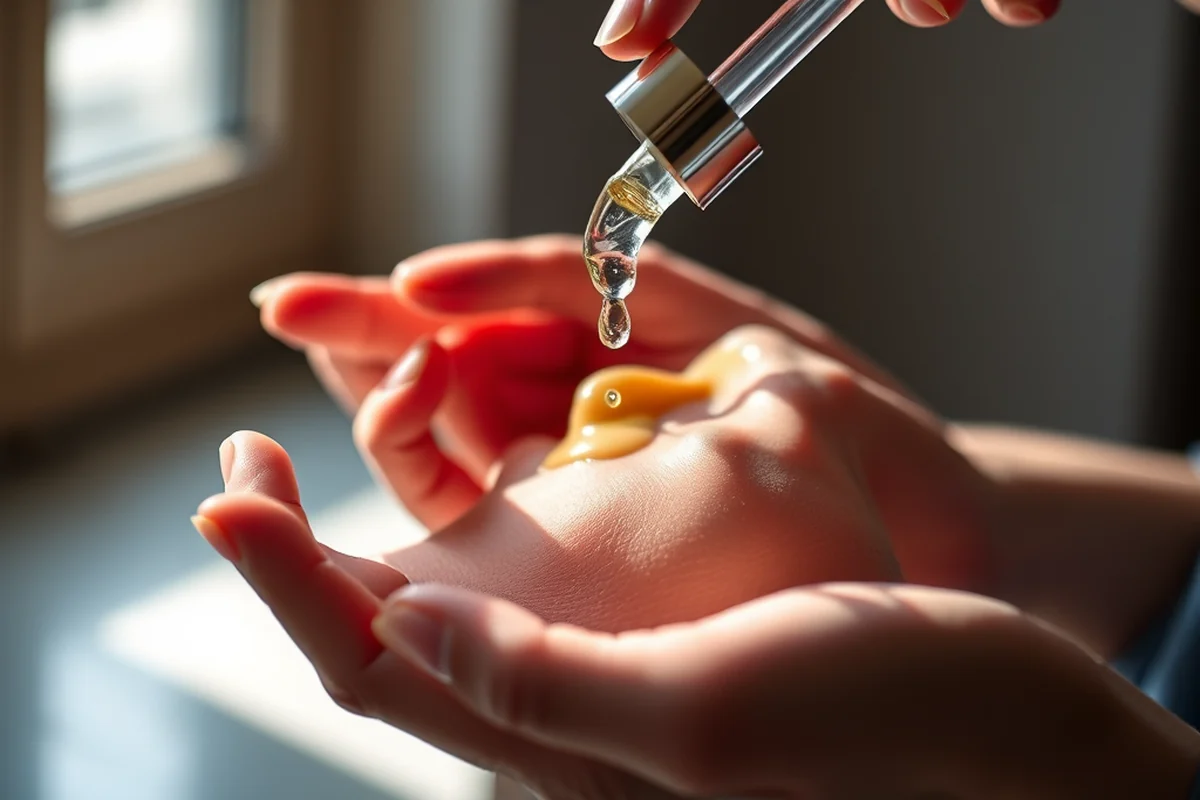
I’ve made the mistake of rushing this step, and it’s cost me. You need to clean your face thoroughly before applying the mask. This means using a gentle cleanser and patting your skin dry with a towel. I use a toner every time to prep my skin — it helps the mask absorb better and keeps the area more open to the product.
I’ve also learned that it’s important to apply the mask evenly across the under eye area. I use my fingers to gently press the mask into the skin, making sure it’s not too thick or too thin. If it’s too thick, it can leave a residue. If it’s too thin, it won’t be effective. The right amount is about a quarter of the product, spread out evenly.
I always apply the mask in a circular motion, starting from the inner corner and moving outward. This helps the product reach all the creases and lines. I’ve noticed a difference in how the mask feels when I do this — it’s more comfortable and effective.
The way you apply the mask is just as important as the mask itself.
Related: Budget under eye care routines
Choosing the Right Products
I’ve tried everything from sheet masks to gel-based masks, and I’ve found that gel masks tend to work best for the under eye area. They’re lightweight, absorb quickly, and don’t leave a sticky residue. I’ve also noticed that masks with caffeine can be great for reducing puffiness, while those with vitamin C help with brightening.
When I first started, I went for the cheapest option, and it didn’t work. I was disappointed, but I learned my lesson. Now, I always look for masks with clear, simple ingredient lists. If a mask has a lot of unnecessary additives or fragrances, I skip it. I’ve found that masks with 3–5 ingredients are the most effective and least irritating.
I’ve also learned that it’s not always about the price. Some of my favorite masks are mid-range, but they’ve given me the best results. It’s about finding what works for your skin, not just what costs the most.
Avoid masks with synthetic fragrances or harsh preservatives. Stick to those with natural, skin-friendly ingredients.
“I remember the first time I used an under eye mask — it felt like waking up to a new version of myself.”— Restedlook editors
Related: How to red light therapy eyes
How Long to Leave the Mask On
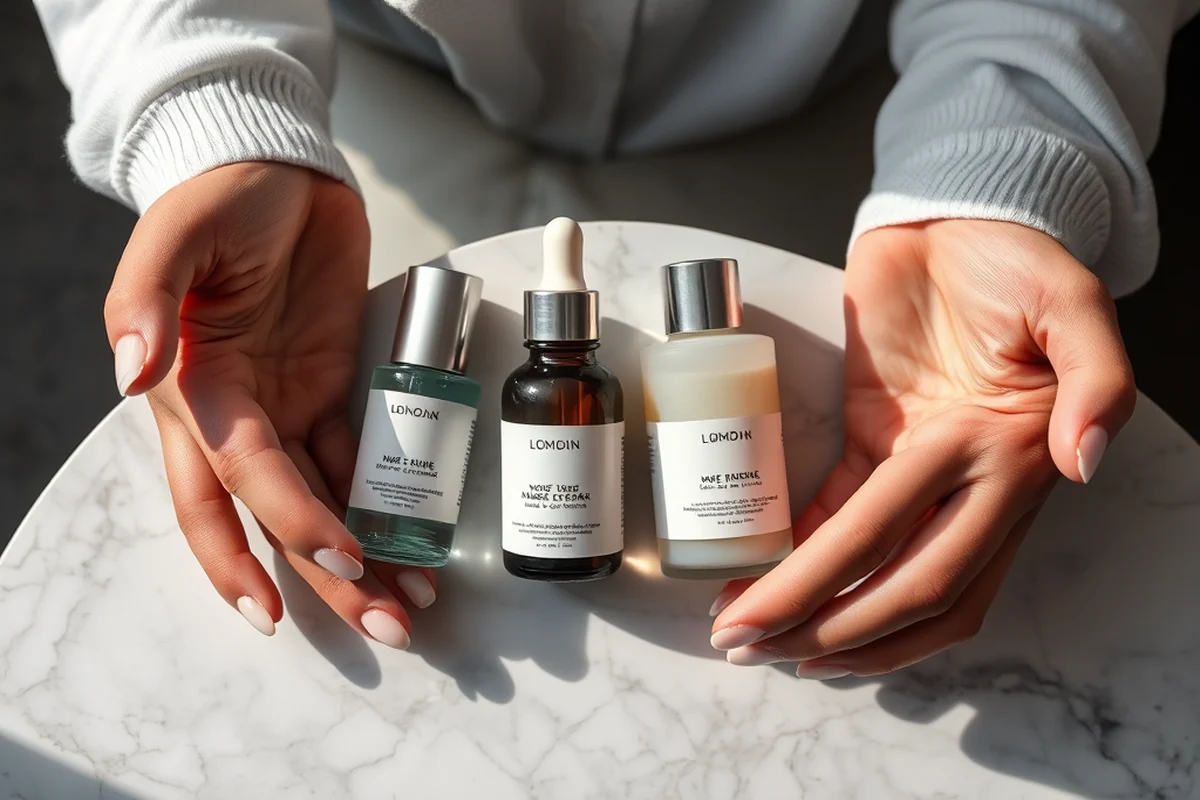
I’ve made the mistake of leaving the mask on too long, and it’s not a good experience. Most under eye masks recommend leaving them on for 15–20 minutes. I’ve found that 15 minutes is enough to get the benefits without feeling uncomfortable. If you leave it on longer, it might start to dry out the skin, which can be counterproductive.
I always set a timer to make sure I don’t forget. I’ve noticed that I get better results when I stick to the recommended time. I’ve also learned that applying the mask in the evening gives me the most benefit because the skin is more receptive to treatment during the night.[2]
I’ve tried leaving the mask on for 25 minutes a few times, and while I didn’t see any immediate harm, I noticed that my skin felt slightly tight after. It’s a small detail, but it’s worth being aware of. Stick to the recommended time for the best results.
Related: How to under eye cream
How to Remove the Mask Properly
I used to just rip the mask off, and it always felt uncomfortable. Now, I take my time and gently peel it from the outer edges. I’ve found that this helps the mask come off more smoothly and prevents pulling on the delicate under eye skin.
I always make sure to remove the mask while it’s still slightly damp. If it’s too dry, it can pull away dead skin cells and cause irritation. I’ve noticed that my skin feels more even after I follow this step correctly.
I’ve also started using a warm towel to help loosen the mask before peeling it off. This helps the product absorb more fully and makes the removal process easier. It’s a small step, but it makes a big difference in the overall experience.
Related: How to under eye patches
How Often to Use the Mask
I’ve experimented with different frequencies, and I’ve found that using the mask 2–3 times a week is ideal. Using it more than that can irritate the skin, and using it less can make the benefits fade. I’ve also noticed that my skin feels more rested and hydrated when I follow this routine.
I’ve had weeks where I missed a few sessions, and I could tell the difference — my under eye area felt less bright and more tired. It’s a reminder that consistency is important for long-term results. I’ve learned that sticking to a routine is the best way to see the full benefits.
I’ve also found that my skin reacts better when I use the mask on the same days each week. It helps me build a habit and ensures that I don’t forget. It’s all about finding a rhythm that works for you.
Consistency is the key to seeing real results with an under eye mask.
Related: The best red light therapy masks
The Final Steps After Applying the Mask
I always follow up with a gentle eye cream after removing the mask. This helps lock in the moisture and nourish the skin further. I’ve found that this step is crucial for maintaining the results and keeping the skin hydrated.
I’ve also learned that using a cold compress after the mask can help reduce any puffiness or redness. I use a damp, cool cloth and place it on my eyes for a few minutes. It’s a simple step that makes a noticeable difference.
I’ve made the mistake of skipping this step in the past, and I could tell the difference. My skin felt less plumped up and more tired. It’s a small addition, but it helps the mask’s effects last longer and feel more effective.
🌸 Sensitive Skin
For those with sensitive skin, look for masks that are free from fragrances and harsh preservatives.
💰 Budget-Friendly
Opt for masks that are affordable but still effective, focusing on hydration and gentle ingredients.
🧘♀️ Minimalist
Choose masks with minimal ingredients and a simple routine that can be done quickly.
🎯 Targeted
Use masks designed for specific concerns, like dark circles or puffiness, for more precise results.
🗓️ Maintenance
Use masks as part of a weekly routine to maintain your under eye area’s health and glow.
| The mistake | Why it happens | The fix |
|---|---|---|
| Using the mask for too long | Leaving the mask on for too long can dry out the skin and reduce its effectiveness. | Stick to the recommended time of 15–20 minutes for the best results. |
| Skipping the removal step | Removing the mask incorrectly can cause irritation and reduce its benefits. | Gently peel the mask from the edges and remove it while it’s still slightly damp. |
| Using the wrong type of mask | Using a mask that’s too heavy or not suited for your skin type can cause irritation or poor results. | Choose a mask that’s appropriate for your skin type and concerns. |
| Applying the mask unevenly | Applying the mask unevenly can lead to inconsistent results and a less effective treatment. | Make sure to apply the mask evenly across the under eye area for the best outcome. |
How To Under Eye Mask
Common Questions
How often should I use an under eye mask?
Can I use an under eye mask every day?
What should I do if my skin feels tight after using a mask?
How long should I leave the mask on?
References
- Formulation of herbal Based eye patches - Academia.edu (academia.edu)
- Examining the effect size and duration of retrieval-induced facilitation (pmc.ncbi.nlm.nih.gov)
Cite this guide
Restedlook (2026). How To Under Eye Mask. https://restedlook.com/how-to-under-eye-mask/
Feel free to cite or share this guide.