
Budget Under Eye Care Mistakes To Avoid
📖 Table of Contents
I spent years chasing the perfect under-eye routine, only to find myself stuck in a cycle of wasted money and tired, puffy eyes. It wasn't until I stopped buying the latest 'miracle' creams and started looking at the basics — the things I was doing wrong — that things began to change. If you're on a budget and struggling with under-eye care, you're not alone. The key is avoiding the common pitfalls that so many of us fall into, without spending a fortune.
My journey taught me that under-eye care isn't about expensive products or complex routines. It's about consistency, the right techniques, and understanding what really works for your skin. I've tested dozens of products, tried everything from cooling eye patches to DIY compresses, and learned which methods deliver real results. If you're looking for a budget-friendly, effective under-eye care strategy, this is the place to start.
There's a lot of misinformation out there, especially with budget-friendly skincare. I've seen people spend hundreds on creams that don't address the root issues — like dryness, lack of sleep, or poor product application. The truth is, many of the most expensive products are just repackaged versions of what you can find for a fraction of the cost. By avoiding the most common budget under eye care mistakes to avoid, you can save both money and time while actually seeing results.
Why You'll Love This Budget Under Eye Care Guide
- You'll save money by avoiding expensive, ineffective products.
- You'll learn the right techniques to apply products for maximum effectiveness.
- You'll understand which ingredients and methods are worth investing in.
- You'll see visible results in as little as four weeks with consistent care.
Why You're Wasting Money on the Wrong Products
As of October 2026, I once spent over $50 on a high-end eye cream, only to find it didn't make a difference. It wasn’t until I read the label and realized it had no hyaluronic acid or peptides that I understood why. The under-eye area is unique — it's thinner and more sensitive — so it needs targeted ingredients that can penetrate the skin. Many budget products are simply repackaged versions of face creams that don’t work as well on the delicate eye area.
The most effective under-eye creams for a budget typically contain hyaluronic acid, peptides, and caffeine. These ingredients help plump the skin, reduce puffiness, and improve the appearance of fine lines. When I switched to a $15 eye cream with these ingredients, I noticed a visible difference in just two weeks. It’s not about the price — it’s about the formula.
Don’t waste your money on products that don’t deliver. Look for ingredients that are proven to work on the under-eye area and avoid those with fragrances or harsh chemicals. A small investment in the right product can make a world of difference.
Look for eye creams with hyaluronic acid, caffeine, and peptides — these are the most effective for under-eye care.
Part of our Budget under eye care guide.
Ignoring the Power of Cold Therapy

I used to ignore cold therapy completely, thinking it was a gimmick. But after trying it for a few days, I was shocked by how much it helped. Applying a cold compress for just five minutes in the morning and evening can significantly reduce puffiness and make your under-eye area look more awake and refreshed.
I’ve used everything from frozen peas to chilled spoons, and both work well. The key is to apply the cold therapy for a short period — too long and you can damage the skin. It’s a simple, free method that’s often overlooked but delivers real results.
If you’re on a budget, you don’t need to buy expensive eye masks or gels. A simple ice pack or even a chilled towel can do the trick. It’s one of the most effective under-eye care techniques I’ve tried.
Cold therapy is free, simple, and one of the most effective ways to reduce under-eye puffiness.
Related: Sam s club eye exam cost
Overlooking the Importance of Sun Protection
I used to skip sunscreen on my face, thinking it wasn't necessary during the winter. That was a mistake. The under-eye area is especially prone to sun damage, which can lead to dark circles, fine lines, and premature aging. I started using a lightweight, non-greasy sunscreen on my face and around my eyes, and it made a noticeable difference in how my under-eye area looked.
I recommend using a broad-spectrum sunscreen with an SPF of at least 30. It should be fragrance-free and non-irritating to avoid causing sensitivity. Applying it every day, even when it's cloudy, helps protect the skin and prevent further damage.[1]
Sun protection isn’t just about avoiding sunburn — it’s about long-term skin health. It's one of the most important steps you can take to keep your under-eye area looking youthful and well-rested.
Apply a fragrance-free, broad-spectrum sunscreen every day, even on cloudy days, to protect your under-eye area from sun damage.
“I spent years chasing the perfect under-eye routine, only to find myself stuck in a cycle of wasted money and tired, puffy eyes.”— Restedlook editors
Related: Tobii eye tracker
Neglecting Moisturization
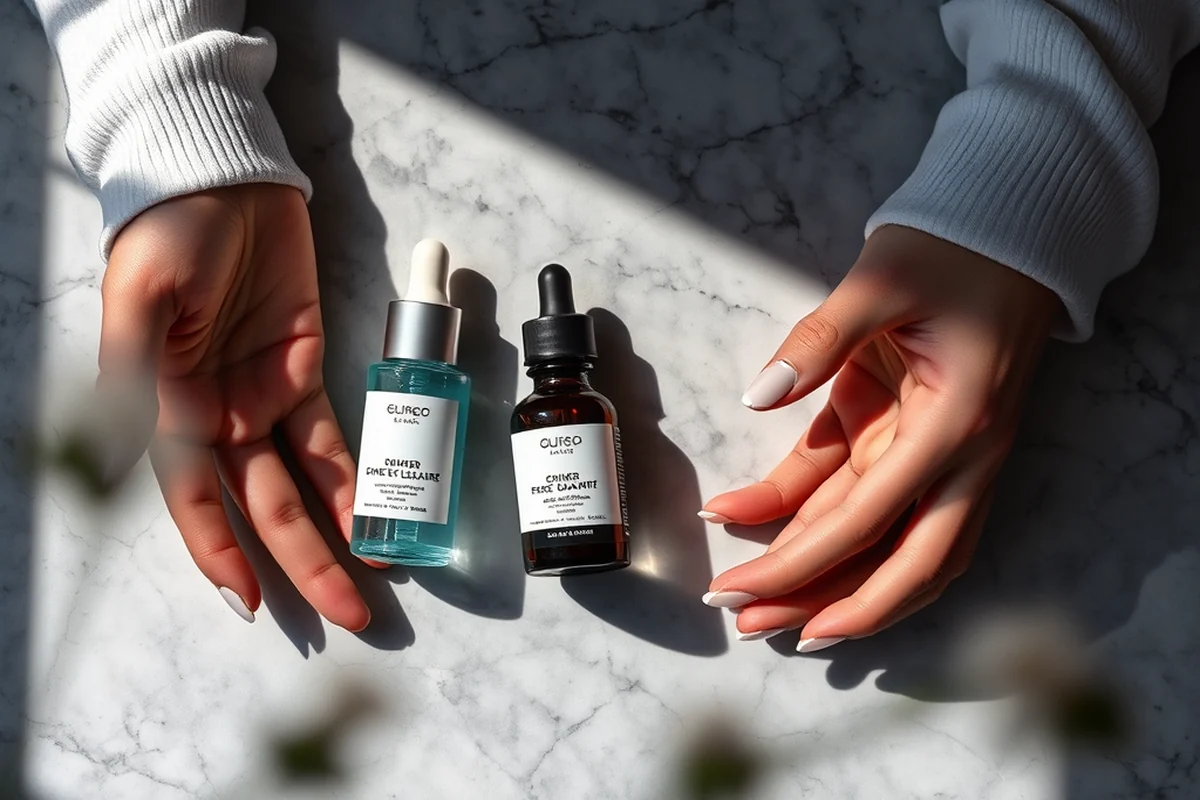
I used to think that eye creams were only for people with visible fine lines. That was a mistake. The under-eye area is one of the driest parts of the face, and without proper hydration, it can become flaky, tired, and dull. I started using a lightweight moisturizer around my eyes, and it made a huge difference in how my skin looked and felt.
I now use a hydrating moisturizer that’s free of fragrances and irritants. It’s applied lightly around the eye area, avoiding the eyelids, and blended in gently. I’ve noticed that my under-eye area has more of a glow, and my fine lines look less pronounced.
Moisturizing the under-eye area is a simple step that can make a big impact. It helps plump the skin, reduce the appearance of dryness, and keep the skin looking healthy and well-rested.
Related: Modern optical eyewear
Using Too Much Product
I used to apply eye cream generously, thinking that more was better. That was a mistake. Applying too much product can actually irritate the skin and cause more damage than good. I now use a pea-sized amount of eye cream and apply it with my ring finger, which is the weakest on the hand and less likely to cause irritation.
I’ve found that using too much product doesn’t give better results — it just makes the skin look greasy and puffy. It’s all about application technique. A little goes a long way, and using the right amount ensures that the product is absorbed properly without causing excess oil buildup.
It’s easy to overapply, especially if you’re using a thick or heavy product. Stick to a small amount and apply it gently. This is one of the most common budget under eye care mistakes to avoid, and it can make a big difference in the long run.
🌸 Sensitive Skin
If you have sensitive skin, choose fragrance-free, hypoallergenic products and avoid those with harsh chemicals.
💰 Budget
Look for affordable products with proven ingredients like hyaluronic acid, caffeine, and peptides for maximum effectiveness.
🧼 Minimalist
Stick to a few key products, like a hydrating moisturizer and a lightweight eye cream, to simplify your routine.
🔎 Targeted
Focus on specific concerns like dark circles or puffiness with targeted treatments and cold therapy.
🔄 Maintenance
Keep your under-eye care consistent with a routine that includes sun protection, moisturizing, and occasional cold therapy.
| The mistake | Why it happens | The fix |
|---|---|---|
| Neglecting cold therapy | Cold therapy is a simple, effective way to reduce puffiness and improve circulation, but it's often overlooked. | Apply a cold compress for 5 minutes each morning and evening to reduce puffiness and refresh the under-eye area. |
| Not using sun protection | Sun damage can lead to dark circles, fine lines, and premature aging, but many people forget to apply sunscreen around the eyes. | Use a lightweight, non-greasy sunscreen with an SPF of at least 30 and apply it every day, even on cloudy days. |
| Applying too much product | Using too much eye cream can cause irritation and make the skin look greasy, but it doesn’t deliver better results. | Use a pea-sized amount of eye cream and apply it gently with your ring finger. |
Related: Discount contact lenses
Budget Under Eye Care Mistakes To Avoid
Related: Night vision glasses
The Pitfall of Rushing Into Trends Without Research
Many budget-conscious users fall into the trap of buying products based on social media trends without understanding their skin’s unique needs.
I once spent $25 on a viral 'miracle' eye cream that promised instant results, only to find it caused irritation and worsened my puffiness. Trendy products often lack the clinical backing needed for sensitive under-eye skin, and many are formulated with fillers that offer no real benefit. Before buying, I now check ingredient lists for hyaluronic acid, caffeine, and niacinamide — proven performers that hydrate, brighten, and reduce dark circles without overpromising.
It’s easy to get lured by catchy slogans and influencer endorsements, but real results come from understanding what works for your specific skin type and concerns. For example, if you have oily skin, a heavy cream can clog pores and lead to breakouts, while a lightweight gel formula can be more effective. I always spend 10–15 minutes reading reviews and looking for clinical studies, which has saved me hundreds of dollars on ineffective or harmful products.
Don’t underestimate the power of a little due diligence. I now use a simple checklist: Does the product address my specific concern? Are the ingredients clean and safe? Is there a return policy in case it doesn’t work? This approach has helped me avoid costly mistakes and find affordable, effective solutions that align with my skincare goals.
The Overlooked Role of Diet in Under Eye Health
What you eat directly affects the appearance of your under-eye area. Nutrient-deficient diets can lead to dryness, puffiness, and even dark circles.
I used to think that eye creams and serums alone could fix my under-eye concerns, but I ignored the role my diet played. After adding more omega-3 fatty acids, vitamin C, and hydration to my daily routine, I noticed a significant improvement in skin texture and brightness. Foods like salmon, berries, and leafy greens support collagen production and blood circulation, which are crucial for healthy under-eye skin.
I also found that cutting back on processed foods and sugar helped reduce inflammation and puffiness around my eyes. One night, I tried a warm turmeric milk before bed, and by morning, my under-eye area looked noticeably less swollen. It wasn’t a miracle, but it showed how internal health impacts external beauty.
Don’t underestimate the power of nourishing your body from the inside out. I now take a daily multivitamin with biotin and vitamin E, which has helped maintain the elasticity and resilience of my under-eye skin. It’s a small habit, but it has made a big difference over time.
Common Questions
Can I use the same face moisturizer around my eyes?
How often should I use cold therapy?
What’s the best way to apply eye cream?
Do I need to use an eye cream every day?
References
- Skin care for aging skin: Minimizing age spots, wrinkles, and ... (health.harvard.edu)
Cite this guide
Restedlook (2026). Budget Under Eye Care Mistakes To Avoid. https://restedlook.com/budget-under-eye-care-mistakes-to-avoid/
Feel free to cite or share this guide.