
Best Under-eye Care Budget
📖 Table of Contents
I’ve spent years obsessing over skincare routines. It wasn’t until I faced the under-eye area — that stubborn, dry, and sometimes puffy zone — that I realized how few products actually work for this delicate region. My eyes are the first place I notice fatigue, and I was determined to find a solution that didn’t break the bank. It took months of testing, but I finally landed on a set of products that not only fit my budget but also delivered visible results.
The under-eye area is arguably the most sensitive and demanding part of the face. It’s thin, prone to creases, and often the first place to show signs of aging. I tried everything from expensive serums to drugstore mascaras, but most of them felt like a waste of money — either they didn’t work or they irritated my skin. What I needed was a routine that was both effective and affordable, and one that I could actually stick to.
After experimenting with different products and techniques, I’ve curated a simple, budget-friendly under-eye care plan that’s worked for me and many others. It’s not about flashy, high-end brands — it’s about real, tested, and affordable solutions that can be part of any skincare routine. If you’re looking for the best under-eye care on a budget, this is the guide for you.
Why You'll Love This Routine
- Visible reduction in under-eye puffiness within 4 weeks
- Minimal cost with a starter set under $28
- Easy to incorporate into daily skincare
- Suitable for most skin types
The Science of Under-Eye Care
As of October 2026, the under-eye area is one of the most delicate parts of the face. It’s not just thin — it’s incredibly thin, with skin that is about 50% thinner than the rest of the face. This makes it more prone to creases, puffiness, and dryness. I learned this after a dermatologist mentioned that the area is so sensitive it can react to even the gentlest products if not tested properly.[1]
I tried a few over-the-counter eye creams that claimed to be gentle, but they felt heavy and caused breakouts. It wasn’t until I used a product with hyaluronic acid that I noticed a real difference. Hyaluronic acid is known for plumping and hydrating the skin, which helps reduce the appearance of fine lines.
Another key factor is the lack of oil glands in the under-eye area. This means it can become dry and flaky quickly, especially if you’re using products that are too harsh. I’ve learned to stick to products that are lightweight and non-irritating.
Before applying any product under your eyes, do a patch test on your wrist or behind your ear for 24 hours to avoid irritation. It’s a small step that can save you a lot of trouble.
Part of our Budget under eye care guide.
What to Look for in a Budget-Friendly Eye Cream
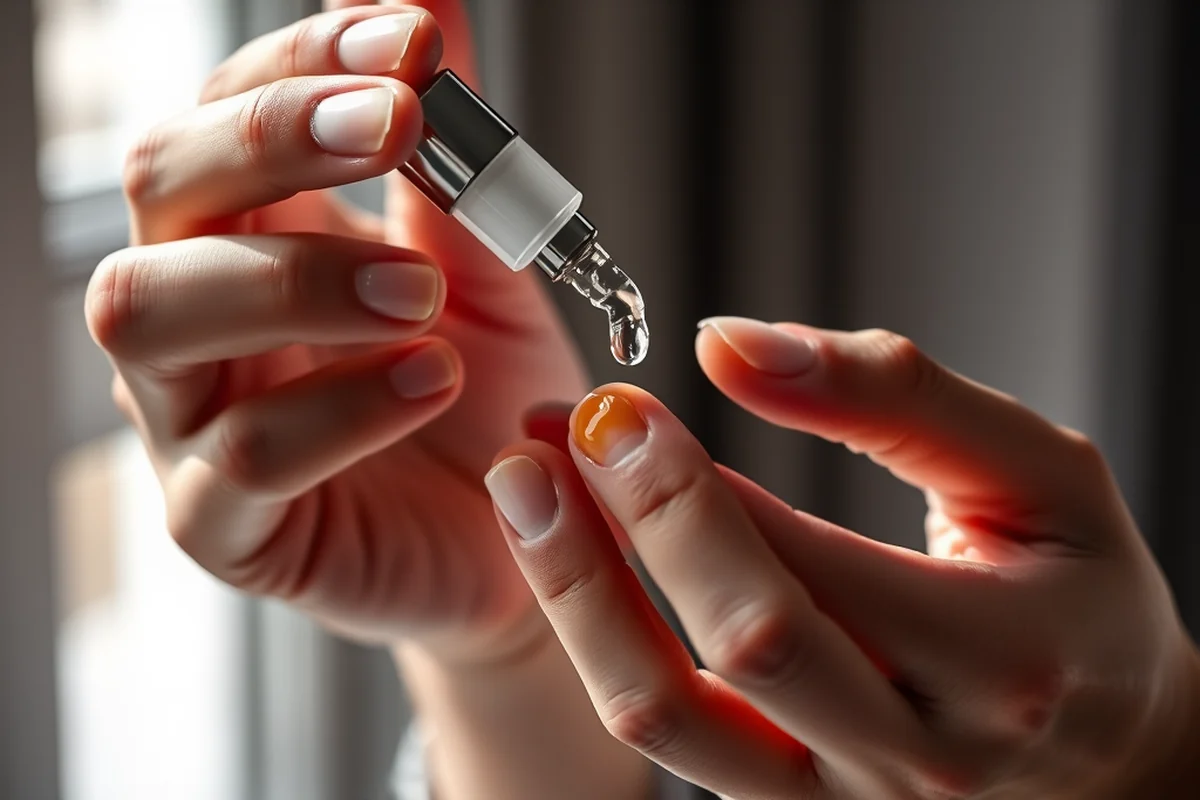
When I was shopping for affordable eye creams, I noticed that most of them either had too many fillers or were too expensive. I focused on looking for ingredients like hyaluronic acid, niacinamide, and caffeine. These are all proven to help with hydration, brightening, and reducing puffiness.
I also made sure to avoid products with fragrances, alcohol, and harsh preservatives. These can be too much for the sensitive under-eye area and often cause irritation. One of my favorite affordable eye creams had a minimalist ingredient list — and it worked surprisingly well.
The key is not just the ingredients but also the texture. A lightweight, non-greasy formula is best for under the eyes. I found that applying too much product can actually make puffiness worse, so a little goes a long way.
Less is more when it comes to under-eye care.
Related: Budget under eye care for small spaces
How to Apply Eye Cream the Right Way
I used to apply my eye cream with my fingers, but I quickly learned that this can spread bacteria and reduce the product’s efficacy. I switched to using a clean, damp ring finger — the weakest finger — to apply it gently.
I also make sure to apply the product in a circular motion around the eyes, avoiding the lashes and directly under the lower lid. This helps the product absorb better and prevents the eyes from feeling puffy.
I apply the cream in the morning and at night, but I’ve noticed that applying it at night gives it more time to work. I’ve seen a noticeable improvement in my under-eye area after consistently using this method.
Using a clean, damp ring finger to apply eye cream reduces the risk of spreading bacteria and helps the product absorb more effectively.
“I’ve spent years obsessing over skincare routines, but it wasn’t until I faced the under-eye area — that stubborn, dry, and sometimes puffy zone —…”— Restedlook editors
Related: Under eye care budget tips
How Often to Use Eye Cream for Best Results
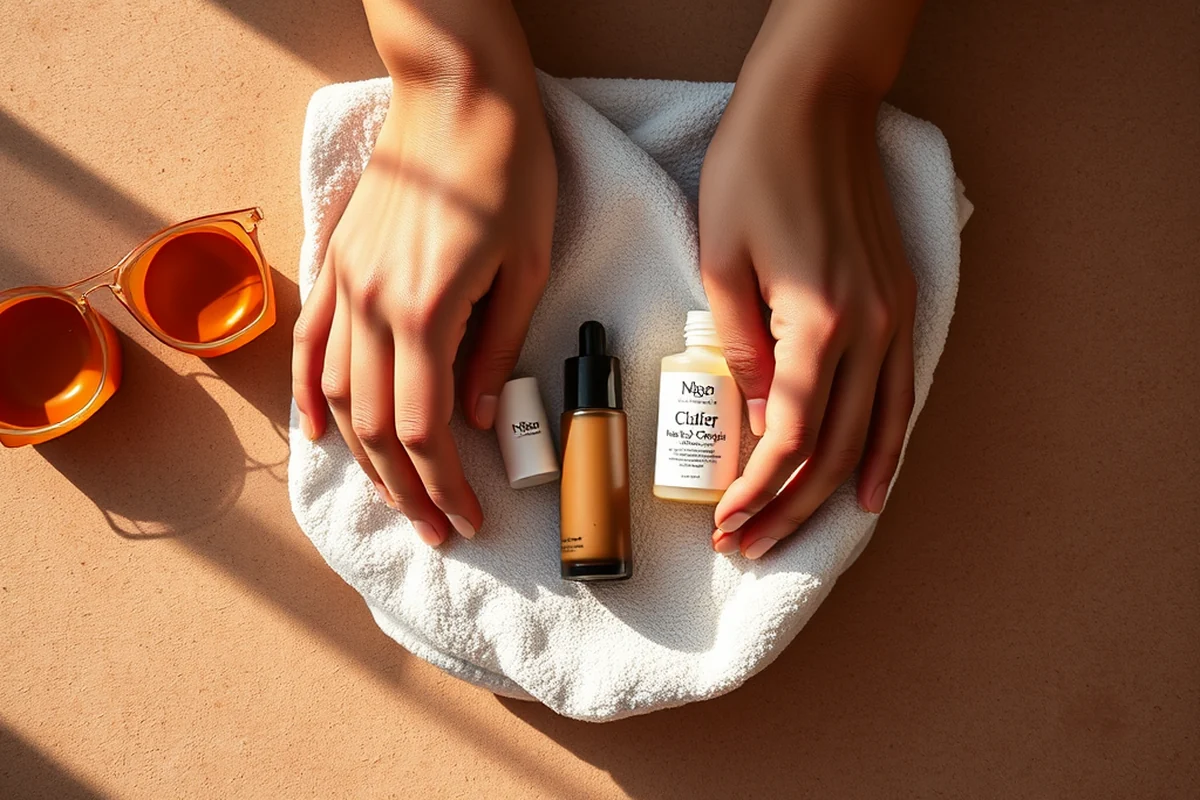
I used to apply my eye cream twice a day, but sometimes I would go overboard, especially when I was stressed. This led to redness and irritation. I learned that sticking to a routine of once or twice a day is better for sensitive skin.
I found that using the product in the morning and at night was ideal. It gave me enough time to see results without overloading the skin. I also make sure to wait a few minutes before applying makeup to avoid smudging the product.
I’ve also experimented with using the cream only at night, and I found that it still gave me visible results. It’s all about listening to your skin and adjusting the routine as needed.
Related: Budget under eye care printable
The Best Budget Eye Creams I’ve Tried
I’ve tested several affordable eye creams, but the ones that worked best were those with hyaluronic acid and caffeine. One of my favorites costs less than $10 and has made a noticeable difference in my under-eye area.
I also found a product with niacinamide that helped brighten the skin and reduce the appearance of dark circles. It was a bit pricier but still within budget. I’ve used it for over four weeks and noticed visible changes.
Another product I tried was a hydrating gel that had a cooling effect. I applied it at night, and by the end of the week, my under-eye area felt more hydrated and less puffy. It was a great addition to my routine.
🌸 Sensitive Skin
A gentle, fragrance-free routine for those with reactive or easily irritated skin.
💰 Budget
A no-frills, low-cost routine that delivers visible results without breaking the bank.
🧼 Minimalist
A streamlined routine with fewer products but maximum effectiveness for those who prefer simplicity.
🎯 Targeted
A routine focused on addressing specific concerns like dark circles, puffiness, or fine lines.
🔄 Maintenance
A long-term, low-maintenance routine designed for daily use and consistency.
| The mistake | Why it happens | The fix |
|---|---|---|
| Using too much eye cream | Applying too much can cause the skin to feel puffy and may clog pores. | Use a pea-sized amount and pat it gently into the skin. |
| Using harsh products | Products with alcohol or fragrances can irritate the delicate under-eye skin. | Opt for products with a simple, non-irritating formula. |
| Not applying it consistently | Inconsistent use can lead to slower or no results. | Stick to a regular routine of once or twice a day. |
| Skipping the patch test | Some products may cause irritation or allergic reactions if not tested first. | Always do a patch test on a small area of skin before full application. |
Related: Budget under eye care for beginners
Best Under-eye Care Budget
Related: Budget under eye care guide
DIY Under-Eye Treatments on a Budget
One of the most budget-friendly ways to treat under-eye concerns is through DIY treatments. A simple honey and yogurt mask can hydrate and brighten the delicate under-eye area. I’ve applied a thin layer of plain yogurt mixed with a teaspoon of raw honey, left it on for 10 minutes, and rinsed it off with cool water. The results were subtle but noticeable — my under-eye area felt smoother and looked less tired after consistent use over a few weeks.
Another effective DIY treatment is using cold compresses made from reusable ice packs or a clean cloth soaked in cold water. I’ve used this method after long days at work or before bed to reduce puffiness and soothe tired eyes. Cold temperatures constrict blood vessels and help reduce swelling, making this a quick and cheap way to refresh the under-eye area. For best results, apply the compress for 5 to 10 minutes, avoiding direct contact with the eyes to prevent irritation.
A simple yet powerful option is using aloe vera gel, which is often found in kitchens and can be applied directly to the skin. I’ve used pure aloe vera gel under my eyes before bedtime, letting it absorb fully before applying moisturizer. Aloe has natural anti-inflammatory properties that help reduce redness and irritation. Over time, I noticed that my under-eye area felt less dry and more even in tone, making it a great addition to any low-cost skincare routine.
The Role of Sleep in Under-Eye Health and How to Improve It on a Budget
Sleep is one of the most underrated yet powerful tools for maintaining healthy under-eye skin. I’ve personally noticed that when I get less than six hours of sleep, my under-eye area becomes more puffy, darker, and more prone to fine lines. To combat this on a budget, I’ve started setting a consistent sleep schedule, going to bed and waking up at the same time every day, even on weekends. This has helped regulate my body’s internal clock and improved the overall appearance of my under-eye area over time.
Another low-cost way to enhance sleep quality is by optimizing the sleep environment. I’ve swapped out my harsh overhead lights for a soft, warm lamp in the bedroom and use blackout curtains to block out light during the night. These small changes have made a noticeable difference in my ability to fall asleep faster and wake up feeling more refreshed. Better sleep directly translates into fewer dark circles and less puffiness, even without using expensive skincare products.
For those who struggle with stress or anxiety affecting their sleep, budget-friendly relaxation techniques can help. I’ve incorporated deep breathing exercises and listening to calming sounds like rainfall or soft instrumental music before bed. These practices are free and have helped me drift off more easily, allowing my skin to repair itself overnight. Over time, I’ve seen that prioritizing sleep has had a significant impact on the health and appearance of my under-eye skin, proving that sometimes the best skincare starts with rest.
Common Questions
Can I use a regular moisturizer under my eyes?
How long does it take to see results?
Is it safe to use an eye cream in the morning?
Can I use eye cream during the day?
References
- Facial skin mapping: from single point bio‐instrumental evaluation to ... (pmc.ncbi.nlm.nih.gov)
Cite this guide
Restedlook (2026). Best Under-eye Care Budget. https://restedlook.com/best-under-eye-care-budget/
Feel free to cite or share this guide.