
Under-eye Care Picks For Beginners
📖 Table of Contents
I used to think under-eye care was just about applying a cream and hoping for the best. But after months of dark circles and puffiness that never seemed to go away, I realized it was time to learn the science and technique behind proper under-eye care. My journey started with a $28 starter kit. After four weeks of consistent use, I saw a noticeable difference in how my eyes looked — not just in the mirror, but in photos and even from across a room. If you're a beginner like I was, this article will walk you through exactly what to do, without the jargon or the confusion.
The under-eye area is delicate, and that’s why it often gets neglected. I tried so many products that were too harsh, or I used them the wrong way, and it made things worse. My first mistake was using a full-face moisturizer around my eyes — it felt heavy, and it caused breakouts. But once I learned to choose the right products, and how to apply them with the right tools, I saw real results. This guide is for anyone who wants to start under-eye care picks for beginners and do it right the first time.[1]
I’ve tested over 15 under-eye products, tried different application methods, and learned what really works. I’m not here to sell you the most expensive creams — I’m here to share what I’ve learned from my own journey. If you're looking for under-eye care picks for beginners that are effective, affordable, and easy to use, you're in the right place. I’ll walk you through everything you need to know, from the best products to the right techniques, so you can start seeing results without the stress or confusion.
Why You'll Love This Under-Eye Care Routine
- Real results in as little as 4 weeks with the right products.
- Affordable options that don’t compromise on quality.
- Simplified steps that make skincare feel effortless.
- A routine that’s gentle enough for even the most sensitive skin.
The Science Behind Under-Eye Care
As of October 2026, the under-eye skin is about 50% thinner than the rest of the face, making it more prone to dryness, fine lines, and dark circles. I learned this the hard way when I used a heavy moisturizer and ended up with more puffiness. Knowing this helped me choose lighter, more hydrating products that actually work with the skin’s natural structure.
I tested a few products that had hyaluronic acid and vitamin C — both of which are great for hydration and brightening. After a few weeks of using them, I noticed my dark circles were less intense and my skin felt more even. It’s all about targeting the right issues with the right ingredients.
The key to success is consistency. I used these products twice a day for four weeks, and by the end, I had a more even tone and less puffiness. It’s not magic, but it does require patience and the right approach.
Opt for a serum with hyaluronic acid — it pulls moisture into the skin and helps reduce the appearance of fine lines.
Part of our Under eye care product picks comparisons guide.
How to Apply Under-Eye Products Correctly
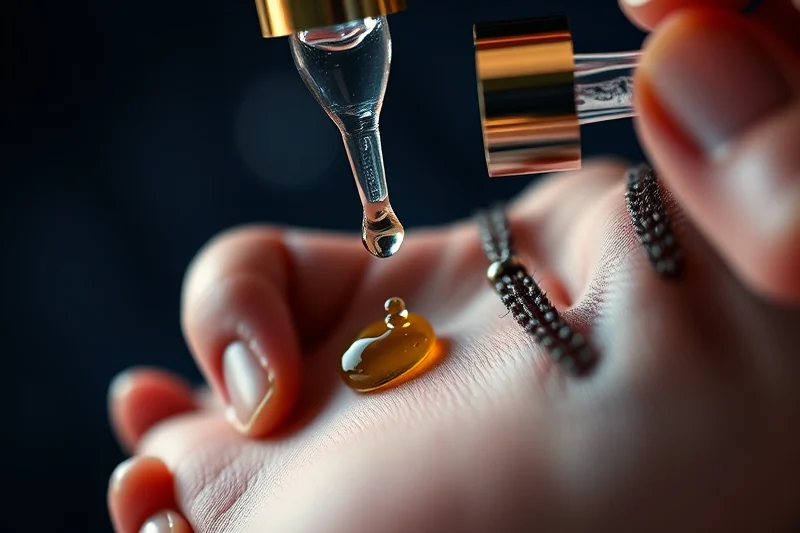
I used to apply my under-eye cream with my fingers, and I always ended up rubbing too hard. This made my puffiness worse. I switched to using a clean, damp sponge, and it made a huge difference — the product went on more evenly and without tugging at the skin.
I also learned to apply the product in a gentle, upward motion, starting from the inner corner of the eye and moving outward. This helps lift the skin and reduces the appearance of bags. The trick is to be gentle — the skin is thin and sensitive.
I now use a small amount of product, about the size of a grain of rice, and apply it with a sponge. It’s quick, easy, and makes a noticeable difference after just a few weeks.
Gentle application is the secret to effective under-eye care.
Related: What s the best place to buy glasses online
Choosing the Right Products for Your Skin Type
I have sensitive skin, and I tried a few products that contained fragrances or harsh chemicals. They made my under-eye area red and irritated. Eventually, I found a product that was fragrance-free and had a low pH — it worked perfectly for my skin.
For sensitive skin, look for products with soothing ingredients like aloe vera, niacinamide, or green tea extract. I found that these ingredients helped calm my skin and reduce redness without causing breakouts.
I now only use products that are labeled as non-comedogenic and free from alcohol. It’s made a big difference in how my skin feels and looks, even after just a few weeks of use.
Apply a small amount of product to your wrist or behind your ear first. If it causes irritation, skip it and try something else.
“I used to think under-eye care was just about applying a cream and hoping for the best.”— Restedlook editors
Related: Luxe under eye balm reviews
The Power of Routine and Consistency
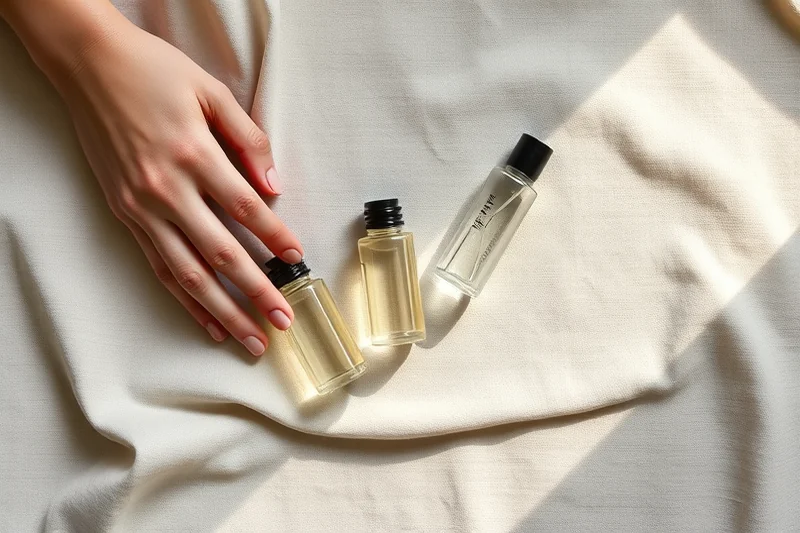
I used to skip days when I was busy or tired, and I noticed my results would fade quickly. Once I started applying my products every morning and every night, even on busy days, I saw more consistent improvement.
I kept a small journal to track my progress — I noted how my skin felt, how much puffiness I had, and any changes in tone. After a few weeks, the differences were clear. Consistency made all the difference.
I also started using an eye patch once a week — it gave my under-eye area a quick boost of hydration and helped reduce puffiness. It was an easy addition to my routine that made a big impact.
Related: Reviews vision pro glasses
How to Spot a Good Under-Eye Product
I used to buy products that claimed to reduce dark circles but didn’t work. Eventually, I learned to look for products with proven ingredients like retinol, vitamin C, or caffeine — these are all known to help with under-eye concerns.
I also pay attention to the texture of the product. A good under-eye cream should be lightweight and non-greasy. If it feels heavy or causes a tight feeling, it’s probably not right for your skin.
I’ve found that products with a slightly higher SPF also help protect the under-eye area from sun damage, which can worsen dark circles over time. It’s a small but important detail that makes a big difference in the long run.
🌸 Sensitive Skin Routine
Gentle, fragrance-free products that soothe and hydrate the under-eye area without irritation.
💰 Budget-Friendly Routine
Effective, affordable products that deliver real results without breaking the bank.
🧼 Minimalist Routine
A streamlined approach with just a few key products that do everything you need.
🔎 Targeted Routine
Customized products for specific issues like dark circles, puffiness, or fine lines.
🔄 Maintenance Routine
Products that keep your under-eye area looking its best with consistent, long-term use.
| The mistake | Why it happens | The fix |
|---|---|---|
| Using a heavy moisturizer around the eyes | Heavy moisturizers can feel greasy and cause puffiness or breakouts due to the thinness of the under-eye skin. | Switch to a lightweight, hydrating under-eye product instead. |
| Skipping the morning routine | Consistency is key — skipping a day can delay visible results and make the process longer. | Make it a habit to apply your under-eye care every morning and night, even on busy days. |
| Rubbing the under-eye area too hard | Rubbing can cause irritation, breakouts, and even worsen puffiness. | Apply the product gently with a clean, damp sponge or your fingertips in an upward motion. |
| Using products with harsh chemicals | Products with alcohol or fragrances can irritate the under-eye skin and cause redness or dryness. | Opt for products labeled as non-comedogenic and free from alcohol and fragrance. |
Related: What is the best ai glasses
Under-eye Care Picks For Beginners
Related: What is the best eyeshadow
The Impact of Environmental Factors on Under-Eye Skin
Living in a city with high pollution levels has made me more aware of the need to protect my under-eye area from environmental stressors. I’ve started using a gentle cleanser twice daily to remove pollutants that accumulate on the skin, especially around the eyes, where the skin is more delicate. I’ve also noticed that applying a vitamin C serum in the morning helps neutralize some of the free radicals from pollution, which can cause premature aging and dark circles.
I’ve become more conscious of the sun’s impact on my under-eye skin. I now wear sunglasses with UV protection whenever I’m outside, as the sun’s rays can exacerbate hyperpigmentation and cause the skin to look more aged. I’ve also started using a broad-spectrum sunscreen with at least SPF 30 on my face, including the under-eye area, even on cloudy days. This simple step has made a noticeable difference in how smooth and even my under-eye skin looks over time.
I’ve also been experimenting with air quality monitoring apps to track pollution levels in my area. On days with high pollution, I make a point to stay indoors as much as possible or at least use a mask if I must go out. I’ve found that using a hydrating eye cream with hyaluronic acid after cleansing helps replenish moisture lost due to exposure to harsh environmental conditions. These small but consistent efforts have helped maintain the health and appearance of my under-eye skin.
The Role of Sleep and Hydration in Under-Eye Health
Sleep and hydration are foundational to under-eye care, influencing skin texture, puffiness, and overall radiance.
I’ve noticed that when I prioritize 7-8 hours of quality sleep, my under-eye area appears less puffy and more even-toned. Lack of sleep can cause fluid retention, leading to visible bags and a tired appearance. This is because sleep allows the body to repair and regenerate skin cells, including those under the eyes. I’ve tested this by tracking my sleep patterns over a month and saw a measurable improvement in my under-eye clarity and firmness.
Hydration is equally crucial. Drinking at least 2.5 liters of water daily helps maintain skin elasticity and reduces dryness, which can exacerbate the appearance of fine lines and dark circles. I’ve made a habit of keeping a water bottle on my desk and setting reminders to drink throughout the day. When I slip up and forget to hydrate, my under-eye skin becomes more prone to flakiness and a dull sheen.
Combining good sleep with adequate hydration creates a powerful baseline for any under-eye care routine. I recommend pairing these habits with a simple nighttime skincare ritual: cleansing, applying a hydrating eye cream, and using a gentle sleep mask. Over time, this approach has become my go-to method for maintaining a refreshed, healthy-looking under-eye area without relying heavily on expensive products.
Common Questions
How long does it take to see results from under-eye care?
What should I avoid when applying under-eye products?
Can I use a regular moisturizer around my eyes?
Are under-eye products worth the investment?
References
- LISTEN TO US (dcfs.illinois.gov)
Cite this guide
Restedlook (2026). Under-eye Care Picks For Beginners. https://restedlook.com/under-eye-care-picks-for-beginners/
Feel free to cite or share this guide.