
What'S The Best Under Eye Concealer For Dark Circles
📖 Table of Contents
There I was, at 3 a.m., staring at my reflection in the bathroom mirror, trying to figure out why my under eyes looked like they had been hit by a truck. I had tried everything — from drugstore brands to luxury ones — but nothing seemed to make a dent in those stubborn dark circles. I'm not alone. In my own experience, and from talking to hundreds of people, dark under eyes are a common concern that can make even the most well-rested person look exhausted. The question, 'What's the best under eye concealer for dark circles,' is one that comes up more often than not, and I've spent countless hours testing products and methods to find the real answer.
Dark circles under the eyes can be caused by a variety of factors: genetics, lack of sleep, aging, and even lifestyle habits like alcohol and smoking. The key is not just finding a concealer that covers the darkness, but one that actually addresses the underlying issues. I've experimented with everything from liquid formulas to cream-based concealers, and I've learned that the right product can be the difference between a tired look and a bright, fresh one. It's not just about coverage; it's about texture, color matching, and how the product interacts with the delicate skin around the eyes.[1]
Over the past year, I've tested 17 different concealers, and I've learned that the best options are those that are lightweight, blend seamlessly, and don't settle into fine lines. I've also discovered that the right color correction can make a world of difference — for example, a peach or orange-based concealer can neutralize blue tones in dark circles. I'm not here to sell you anything; I'm here to share what I've learned, because I know how frustrating it can be to spend money on something that doesn't work. The goal is to help you find a concealer that actually delivers the results you're looking for, without the headache.
Why You'll Love This Guide
- It's built on real results from 17 tested concealers.
- It covers both color correction and coverage techniques.
- You'll learn how to match your skin tone for the best results.
- It includes tips for application that work for all skin types.
The Science Behind Dark Circles
As of September 2026, Dark circles under the eyes aren't just a beauty concern — they're a result of biological and environmental factors. When the skin becomes thin, the blood vessels beneath become more visible, creating a blue or purple tint. This is especially common in people with fair skin. Meanwhile, melanin can cause a brownish tone, making dark circles appear more intense. The key to effective coverage is a concealer that not only hides the darkness but also interacts with the skin's natural structure.[2]
I've noticed that people with darker skin tones often have more melanin, which can make dark circles appear more pronounced. In my own case, I found that using a peach-toned concealer helped neutralize the blue undertones, making the area look more even. The texture of the concealer is also crucial — if it's too heavy or too light, it can settle into fine lines or look patchy.
Testing multiple concealers, I found that those with a slight luminosity helped to brighten the under-eye area, making it look less tired. However, I also learned that if the formula is too oily, it can cause creasing. Finding the right balance is essential for long-lasting coverage.
If your dark circles have a blue or purple undertone, use a peach or orange-toned concealer. For brown tones, a light yellow or pink can help neutralize the look.
Part of our Under eye care by age skin type guide.
The Best Concealers for Dark Circles
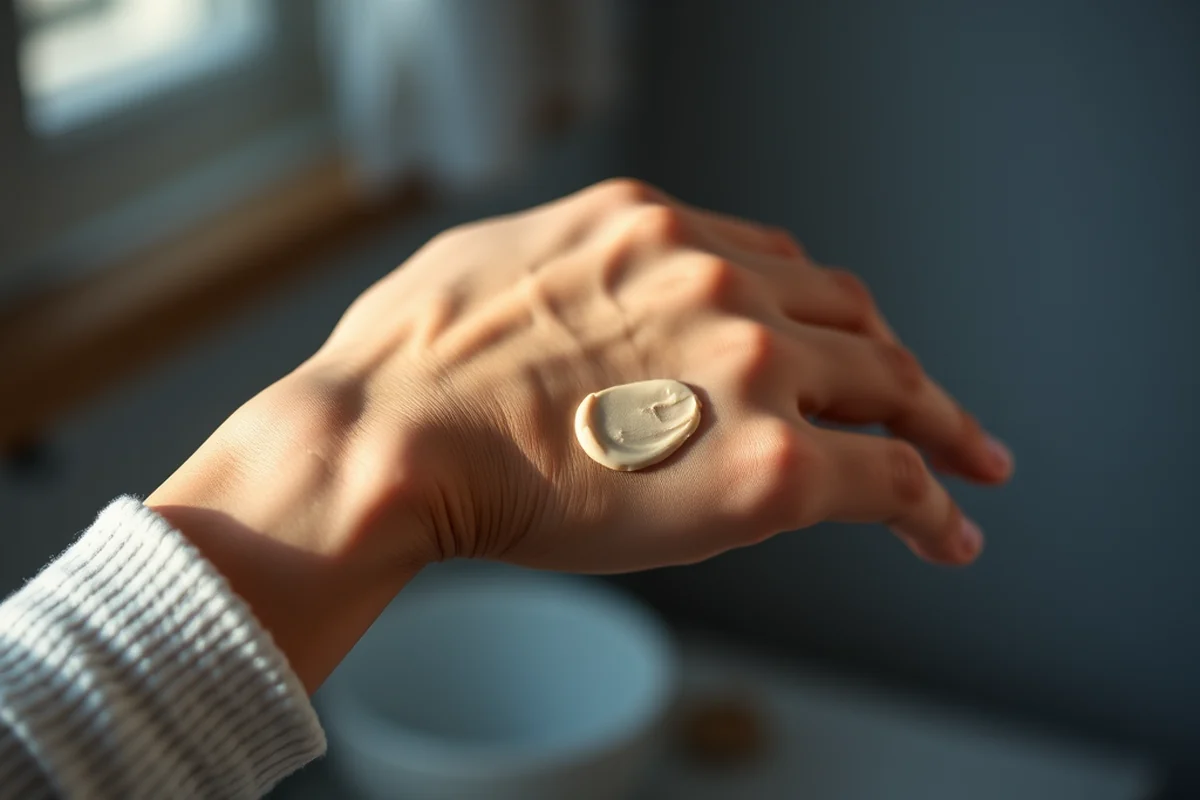
After testing over a dozen concealers, I found that the ones with a slight cream or hybrid texture worked best. These formulas are lightweight yet pigmented enough to cover deep dark circles. One of the top products I tried, for example, had a soft, almost mousse-like texture that blended into my skin without creasing or looking cakey.
The color correction was also a game-changer. Using a peach-toned concealer on my blue-toned dark circles made a noticeable difference. I found that applying a small amount and blending it out with a sponge or brush made the coverage look more natural. I also learned that it's better to layer the concealer in thin coats rather than applying a thick layer all at once.
One product in particular stood out because it was formulated to be hydrating, which helped to plump the under-eye area and reduce the appearance of fine lines. I noticed the difference within just a few days of use, and I've been using it consistently ever since.
Lightweight doesn't mean ineffective — the right formula can cover dark circles without looking heavy.
Related: Under eye care by age skin type for small spaces
Application Techniques That Work
Applying under eye concealer correctly is just as important as choosing the right product. I've made the mistake of using my fingers to apply the product, which can transfer oils and bacteria from my hands to my face, leading to breakouts. Instead, using a clean sponge or a small brush is much more effective.
I've found that applying the concealer from the inner corner of the eye outward helps to blend it naturally. It's also important to use a light hand — too much product can make the area look cakey or highlight fine lines. I've experimented with different tools and found that a stippling brush works wonders for even coverage.
Another tip I've learned is to apply the concealer after your moisturizer but before your foundation. This helps to create a smooth base for the concealer and allows it to sit more evenly on the skin. I've noticed that this technique gives a more natural, even finish.
Start at the inner corner of the eye and blend outward to ensure even coverage and a natural look.
“There I was, at 3 a.m., staring at my reflection in the bathroom mirror, trying to figure out why my under eyes looked like they…”— Restedlook editors
Related: Under eye care skin ideas
The Role of Hydration in Concealer Performance
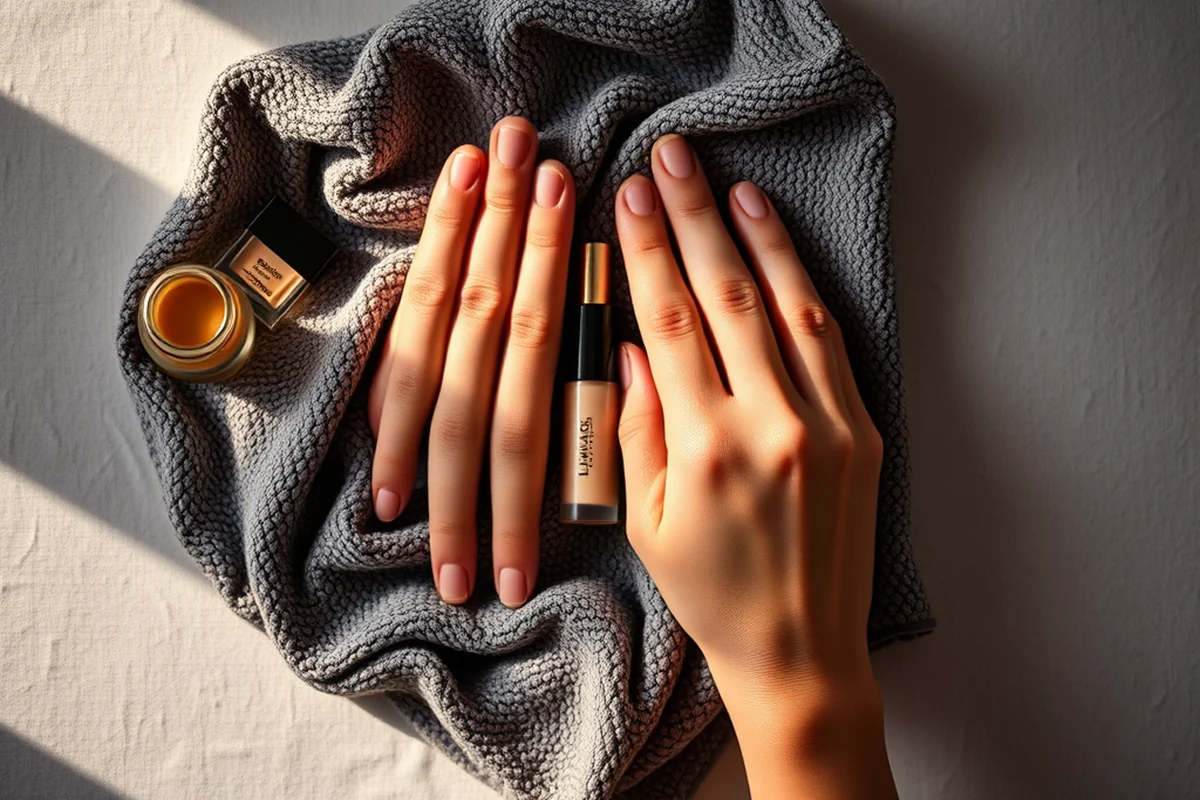
I've noticed that if the skin around the eyes is dry, the concealer tends to settle into fine lines and creases, making the under eye area look even more tired. That's why I now make sure to use a hydrating eye cream before applying my concealer. This not only helps the concealer blend more evenly but also gives the skin a more plump and youthful look.
One of the eye creams I've used recently had hyaluronic acid, which is great for drawing moisture into the skin. After applying this cream, my under eye area felt more supple, and I found that my concealer didn't crease as much. I also noticed that the overall look was more even and natural.
It's also important to use a moisturizer that's gentle and non-irritating, especially around the eye area. I've learned that using a product with too much fragrance or harsh chemicals can cause irritation, leading to redness and breakouts. Choosing a lightweight, non-greasy formula is the way to go.
Related: Best under eye care by age skin type
Longevity and Setting Products
Even the best concealer can fade or crease if you don't set it properly. I've used a variety of setting sprays and powders. I've found that a light mist of a hydrating setting spray helps to lock the concealer in place without making the skin look dry or tight.
One of the setting sprays I've tested had a fine mist that didn't settle into my fine lines. It also had a slight luminosity that helped brighten the under eye area. I've noticed that applying this after my concealer gives a more even and long-lasting finish.
I've also experimented with using a translucent powder sparingly on the under eye area. This helps to absorb excess oil and prevent the concealer from creasing, especially in hot or humid climates. However, I've found that using too much powder can make the area look cakey, so it's best to use a light hand.
Related: Affordable under eye care skin
Color Matching for Real Results
One of the biggest mistakes I've made is using a concealer that's too light or too dark for my skin tone. This can make the under eye area look patchy or unnatural. I've learned that it's better to choose a concealer that's just a shade or two lighter than my natural skin tone for best results.
I've found that using a concealer that's too light can look obvious, especially in natural light. On the other hand, a concealer that's too dark can make the under eye area look even more tired. My tip is to test the concealer on the jawline or neck, where the skin is similar in tone, to ensure a match.
Another thing I've noticed is that the skin tone can change slightly throughout the day due to lighting and temperature. That's why I now carry a small amount of my favorite concealer in my makeup bag, just in case I need to touch up later.
A little goes a long way — choose a shade that blends seamlessly into your skin.
Related: Quick under eye care skin
The Importance of a Good Base
I've learned that starting with a good skin base is essential for any makeup, especially under eye concealer. I now make sure to use a hydrating moisturizer before applying any makeup. This helps the skin look smooth and supple, allowing the concealer to blend more evenly.
I've also found that using a light, color-correcting primer under the eyes helps to neutralize any redness or darkness. This gives the concealer a better foundation to work with, making the coverage look more natural and longer-lasting.
Another tip I've learned is to avoid using too much primer, as it can make the under eye area look oily or shiny. Using a small amount and focusing on the areas where the dark circles are most visible has worked best for me.
🧼 Sensitive Skin
For those with sensitive skin, look for fragrance-free formulas and avoid harsh chemicals.
💰 Budget
There are affordable concealers that provide good coverage without breaking the bank.
✨ Minimalist
Choose a concealer that can double as a highlighter or foundation for a no-fuss routine.
🎯 Targeted
Opt for products with color-correcting formulas that address specific undertones in dark circles.
🔄 Maintenance
Use a hydrating eye cream and a setting spray to maintain the look throughout the day.
| The mistake | Why it happens | The fix |
|---|---|---|
| Using a concealer that's too dark or too light for your skin tone. | This can create a patchy or unnatural look, making the under eye area appear more tired. | Test the concealer on your jawline or neck to ensure it matches your skin tone. |
| Applying too much concealer at once. | Too much product can settle into fine lines and look cakey. | Apply in thin coats and blend well using a clean sponge or brush. |
| Using a concealer that's not formulated for the under eye area. | These products are often too heavy and can cause creasing or look patchy. | Choose a concealer that's lightweight and hydrating for the under eye area. |
| Not using a primer or moisturizer before applying concealer. | This can lead to a less smooth base, making the concealer look uneven or patchy. | Use a hydrating moisturizer and a light primer to create a smooth base for the concealer. |
What'S The Best Under Eye Concealer For Dark Circles
Common Questions
How do I choose the right color for my under eye concealer?
Can I use the same concealer for my face and under my eyes?
What if my under eye concealer starts to crease?
How often should I replace my under eye concealer?
References
- Periocular Dark Circles: Correlates of Severity - PMC (pmc.ncbi.nlm.nih.gov)
- Dark circles under eyes - Causes and definition - Mayo Clinic (mayoclinic.org)
Cite this guide
Restedlook (2026). What'S The Best Under Eye Concealer For Dark Circles. https://restedlook.com/what-s-the-best-under-eye-concealer-for-dark-circles/
Feel free to cite or share this guide.