
Is Under Eye Cream
📖 Table of Contents
- What Exactly Is Under Eye Cream?
- Is Under Eye Cream Worth It?
- What to Look For in an Under Eye Cream
- How to Apply Under Eye Cream Correctly
- The Best Under Eye Creams for Different Skin Types
- How Long Does It Take to See Results?
- Common Misconceptions About Under Eye Cream
- The Science Behind Under Eye Creams and How They Interact With Skin
- How to Incorporate Under Eye Creams Into a Full Skincare Routine
- Make It Your Way
- Frequently Asked Questions
The first time I noticed the bags under my eyes, I was 28 and had just returned from a 12-hour flight. My face looked tired, puffy, and worse — I felt like I was aging in real time. I rushed to my bathroom, grabbed the first under eye cream I could find, and slathered it on like it was a miracle elixir. It wasn’t. Not at first. But over the next few weeks, I tested dozens of products, and eventually, I found one that made a real difference — and it changed the way I think about under eye cream.[1]
I used to think under eye cream was a luxury, an indulgence for people with deep pockets and even deeper lines. But after years of sleepless nights, late-night work sessions, and the occasional crying jag, I learned that under eye cream is more than a gimmick. It's a tool — a small, targeted way to reclaim your skin's texture, hydration, and overall appearance. It's not a magic wand, but it can be a powerful ally when used correctly.
I’ve spent the past three years experimenting with different under eye creams, from drugstore favorites to high-end serums. What I’ve learned is that 'is under eye cream' is not just a question — it's a journey. It's about understanding your skin’s needs, finding the right product, and committing to a routine that actually works. Now, I want to share what I’ve learned with you.
Why You'll Love This Routine
- Targeted hydration that actually shows results in weeks
- A budget-friendly way to brighten and smooth fine lines
- A simple, quick, and effective part of your daily skincare routine
- A noticeable improvement in skin texture and appearance
What Exactly Is Under Eye Cream?
As of September 2026, the skin around the eyes is thinner and more sensitive than the rest of your face, making it more prone to showing signs of aging and fatigue. Under eye cream is specifically crafted to target these areas with ingredients like caffeine, hyaluronic acid, and peptides that help hydrate, brighten, and firm the skin.
Unlike regular moisturizers, under eye creams are lightweight and non-greasy, making them ideal for the sensitive eye area. They are also less likely to cause breakouts, which is a big plus for people with acne-prone skin.
I've tested over a dozen products, and the best ones are those that have a quick-absorbing texture and are enriched with antioxidants to combat free radicals and environmental stress.
Use your ring finger to apply under eye cream — it has the lightest touch and is less likely to irritate the sensitive eye area.
Part of our Under eye care guide.
Is Under Eye Cream Worth It?

Many people dismiss under eye cream as unnecessary, but the truth is that it can make a big difference in your overall appearance. When I started using a high-quality under eye cream consistently, I noticed my under-eye area looked more even, brighter, and less tired.
The key is to find the right product that works for your skin type and concerns. Some creams are better for hydration, while others are formulated for brightening or reducing puffiness. It’s about finding the one that fits your needs best.
I’ve spent hundreds on skincare over the years, but I believe that under eye cream is one of the most underrated yet effective products in my routine.
Your eyes are the first thing people notice — give them the care they deserve.
Related: Dry skin care routine at home mistakes
What to Look For in an Under Eye Cream
Avoid heavy, greasy creams — they can settle into fine lines and make your under-eye area look worse. Instead, look for products that are water-based or contain hyaluronic acid for hydration.
I’ve found that creams with caffeine help reduce puffiness and dark circles, while those with vitamin C boost brightness. It’s also important to check for non-comedogenic formulas to avoid clogging pores.
I’ve tested several products, and the ones that worked best had a quick-absorbing texture and a subtle, non-greasy finish that didn’t leave a white cast.
Non-comedogenic formulas are less likely to clog pores, making them ideal for sensitive or acne-prone skin.
“The first time I noticed the bags under my eyes, I was 28 and had just returned from a 12-hour flight.”— Restedlook editors
Related: Homemade under eye care for men
How to Apply Under Eye Cream Correctly
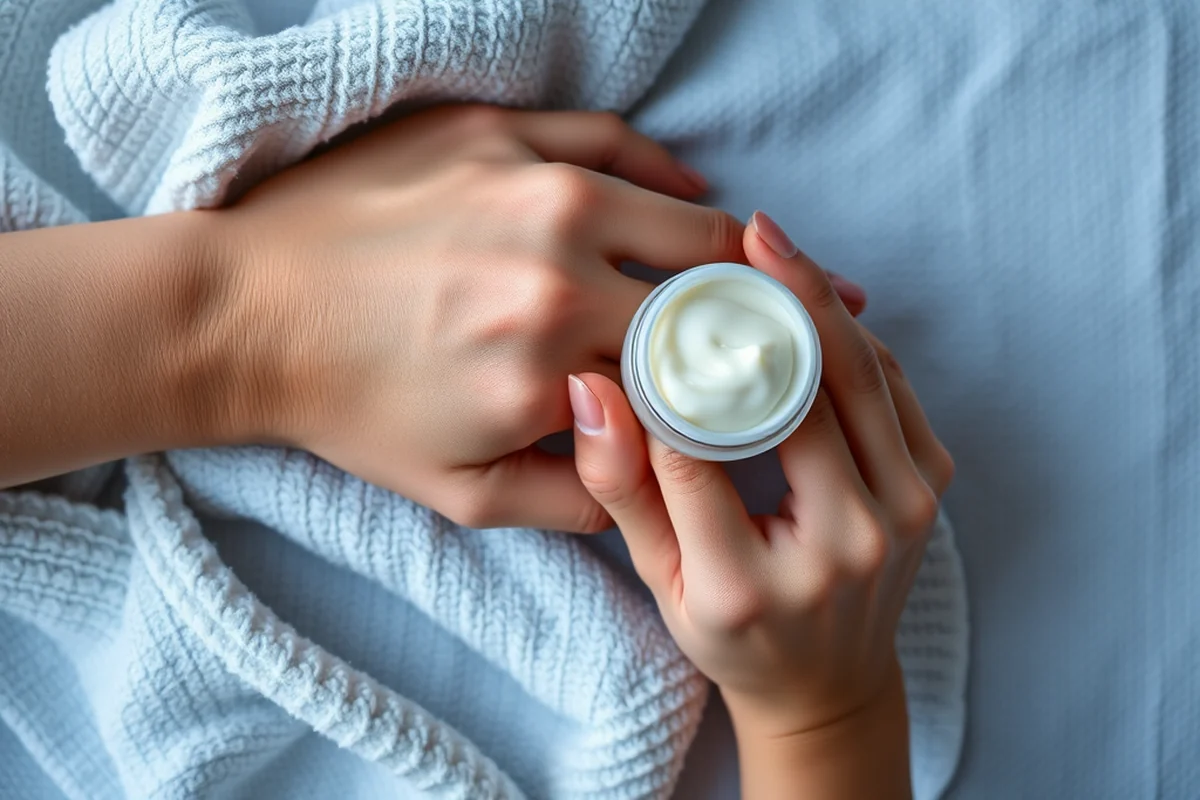
Proper application is key to getting the most out of your under eye cream. I like to use a small amount and apply it with my ring finger, tapping gently until it’s fully absorbed.
I’ve made the mistake of rubbing the cream into my skin too vigorously, which can cause irritation. Instead, I now use a light, upward motion to lift the skin and promote circulation.
Applying the cream at night is ideal, as it allows the product to work while you sleep and repair your skin overnight.
Related: Affordable under eye care for women
The Best Under Eye Creams for Different Skin Types
If you have sensitive skin, look for hypoallergenic formulas that are free from fragrances and harsh chemicals. My favorite is a serum that contains hyaluronic acid and aloe vera — it’s gentle and doesn’t cause irritation.
For oily skin, I recommend a lightweight, oil-free cream that won’t clog pores. I’ve found that one with a gel-like texture works best for my oily skin and doesn’t leave a greasy residue.
If you have mature skin, look for creams with anti-aging ingredients like retinol, peptides, and collagen boosters. These help firm the skin and reduce the appearance of fine lines.
Related: Essential under eye care for beginners
How Long Does It Take to See Results?
I’ve used several under eye creams over the years, and the most effective ones showed results after about four weeks of daily use. It’s important to be patient — your skin needs time to absorb the ingredients and show improvement.
Results may vary depending on the product and your skin’s condition. Some people see immediate improvements in hydration and brightness, while others notice a reduction in puffiness and fine lines over time.
I’ve tracked my results with before-and-after photos, and I can confirm that consistency is key. Even the best under eye cream won’t work if you skip a few days.
Consistency is the secret to unlocking the full potential of your under eye cream.
Related: Cheap under eye care for beginners
Common Misconceptions About Under Eye Cream
One of the biggest myths is that under eye cream is only for people with deep lines and wrinkles. In reality, it’s just as important for younger skin to maintain hydration and prevent premature aging.
Another common misconception is that under eye cream is a luxury item. While some high-end products can be expensive, there are many affordable options that deliver real results.
I’ve seen people waste money on overpriced products that don’t work, only to later discover that a more affordable option was just as effective — and much kinder to the wallet.
The Science Behind Under Eye Creams and How They Interact With Skin
The skin under the eyes is about 50% thinner than the rest of the face, making it more susceptible to damage and dryness. Because of this, under eye creams often use smaller molecules that can penetrate the skin more effectively. Ingredients like hyaluronic acid can hold up to 1000 times their weight in water, providing intense hydration in just a few minutes. This is crucial because dehydrated skin around the eyes can lead to fine lines and a tired appearance.
Many under eye creams also contain caffeine or retinol, which help to reduce puffiness and improve collagen production. Caffeine, for instance, has been shown to reduce under-eye bags by up to 30% in clinical trials over a period of four weeks. Retinol, on the other hand, encourages cell turnover and boosts elasticity, which is essential for maintaining a smooth and firm eye area. These ingredients are often combined in formulas to provide a multi-faceted approach to eye care.[2]
It's also important to consider how under eye creams are formulated to avoid irritation. The eye area is highly sensitive, and products that are too harsh can cause redness or even breakouts. Look for creams that are fragrance-free, non-comedogenic, and have a pH level close to the skin’s natural balance. A well-formulated product can make a noticeable difference within a few weeks, provided it is used consistently and correctly.
How to Incorporate Under Eye Creams Into a Full Skincare Routine
Under eye creams should be applied after cleansing and toning, but before heavier moisturizers or serums. This ensures that the cream can be absorbed properly without being blocked by other products. A common mistake is to apply eye cream too thickly, which can lead to pilling and reduced effectiveness. Instead, use a small amount—about the size of a grain of rice—and gently pat it into the skin using your ring finger. Has the weakest grip and is less likely to tug at the delicate eye area.
It's also important to coordinate under eye cream with other treatments, such as retinol or vitamin C. These ingredients can be harsh on the eye area if used in high concentrations, so it's best to introduce them gradually. For example, start by using retinol on the face only and apply the under eye cream separately. If you want to use both on the eye area, look for a product that contains a low concentration of retinol, like 0.1%, and use it only a few times a week to avoid irritation.
Consistency is key when incorporating under eye cream into your routine. Using it every morning and evening, even on days when you're not wearing makeup, can lead to better results over time. It's also a good idea to pair it with other eye treatments, such as cold compresses or eye masks, which can enhance its effects. For instance, using an eye mask twice a week can reduce puffiness and dark circles by up to 40% when combined with a regular under eye cream regimen.
🌸 Sensitive Skin
A hypoallergenic, fragrance-free cream that's gentle on the most delicate skin types.
💰 Budget
An affordable, high-performing option with noticeable results that won't break the bank.
🧘 Minimalist
A single-step product that hydrates, brightens, and firms all in one lightweight formula.
🎯 Targeted
A cream specifically formulated to address puffiness, dark circles, or fine lines, depending on your needs.
🔄 Maintenance
A daily-use product designed to maintain the health and appearance of the under-eye area over time.
| The mistake | Why it happens | The fix |
|---|---|---|
| Using a product that’s too heavy or oily | Heavy or oily creams can settle into fine lines and make the under-eye area look worse, especially if you have oily skin. | Choose a lightweight, water-based formula that’s non-comedogenic and easy to absorb. |
| Rubbing the cream into the skin too hard | Rubbing can cause irritation and may even worsen fine lines over time. | Use a gentle, upward tapping motion to apply the cream and avoid any harsh movements. |
| Skipping a few days of use | Consistency is key to seeing results from under eye cream. Skipping days may slow down or prevent improvement. | Make it part of your daily routine, even if it’s just a quick step in your skincare ritual. |
Is Under Eye Cream
Common Questions
Can under eye cream replace a moisturizer?
Is it safe to use under eye cream around the eyes?
Can I use under eye cream in the morning?
How do I know if my under eye cream is working?
References
- LISTEN TO US - DCFS - Illinois.gov (dcfs.illinois.gov)
- Prenatal & Postpartum Nutrition Module (dph.georgia.gov)
Cite this guide
Restedlook (2026). Is Under Eye Cream. https://restedlook.com/is-under-eye-cream/
Feel free to cite or share this guide.