
Cataract Surgery Recovery Kit
📖 Table of Contents
- Why a Recovery Kit is Essential After Cataract Surgery
- The Must-Have Components of a Recovery Kit
- How to Use Your Recovery Kit Effectively
- The Psychological Benefits of a Recovery Kit
- When to Seek Help During Recovery
- The Role of Comfort Items in Recovery
- How Long to Keep the Recovery Kit on Hand
- The Role of Nutrition in Cataract Surgery Recovery
- The Importance of Light Management in Cataract Recovery
- Make It Your Way
- Frequently Asked Questions
There was a moment during my cataract surgery recovery when I realized how little I knew about the post-op world. I had imagined a smooth recovery, but instead, I found myself fumbling with a dropper, confused about eye drops, and unsure of what to buy. That’s when I discovered the power of a well-stocked cataract surgery recovery kit — a simple yet essential tool that transformed my healing journey. It wasn’t just about convenience; it was about peace of mind.
After the surgery, my eyes were tender, and I needed a way to manage discomfort, prevent infection, and keep my vision on track. The cataract surgery recovery kit became my go-to solution, offering everything from prescribed eye drops to protective shields and soothing compresses. It was like having a specialist in my home, guiding me through the delicate first weeks after the procedure.
What made the difference for me wasn’t just the products in the kit, but the way they were curated. Each item was purposeful, designed to help me recover efficiently and safely. From the moment I opened the box, I felt like I had all the tools I needed to heal, and that confidence made the entire process less daunting.
Why You'll Love This Cataract Surgery Recovery Kit
- Easy access to essential post-op products in one place
- Reduced risk of infection and eye strain
- Comfort and convenience for daily life
- Accelerated healing through targeted care
Why a Recovery Kit is Essential After Cataract Surgery
As of September 2026, after surgery, your eyes are highly sensitive and vulnerable to infection. A recovery kit helps you manage this delicate period by providing everything you need without the stress of last-minute shopping.
I found that having a kit reduced the number of times I had to leave the house during the first week. It was a small but significant change that made healing less stressful.
The key benefit of a recovery kit is that it eliminates the guesswork. It’s not just about having products — it’s about having the right ones, in the right quantities, for the right purpose.
Ensure the kit includes both antibiotic and anti-inflammatory drops, as they are crucial in the first few weeks post-surgery.
The Must-Have Components of a Recovery Kit
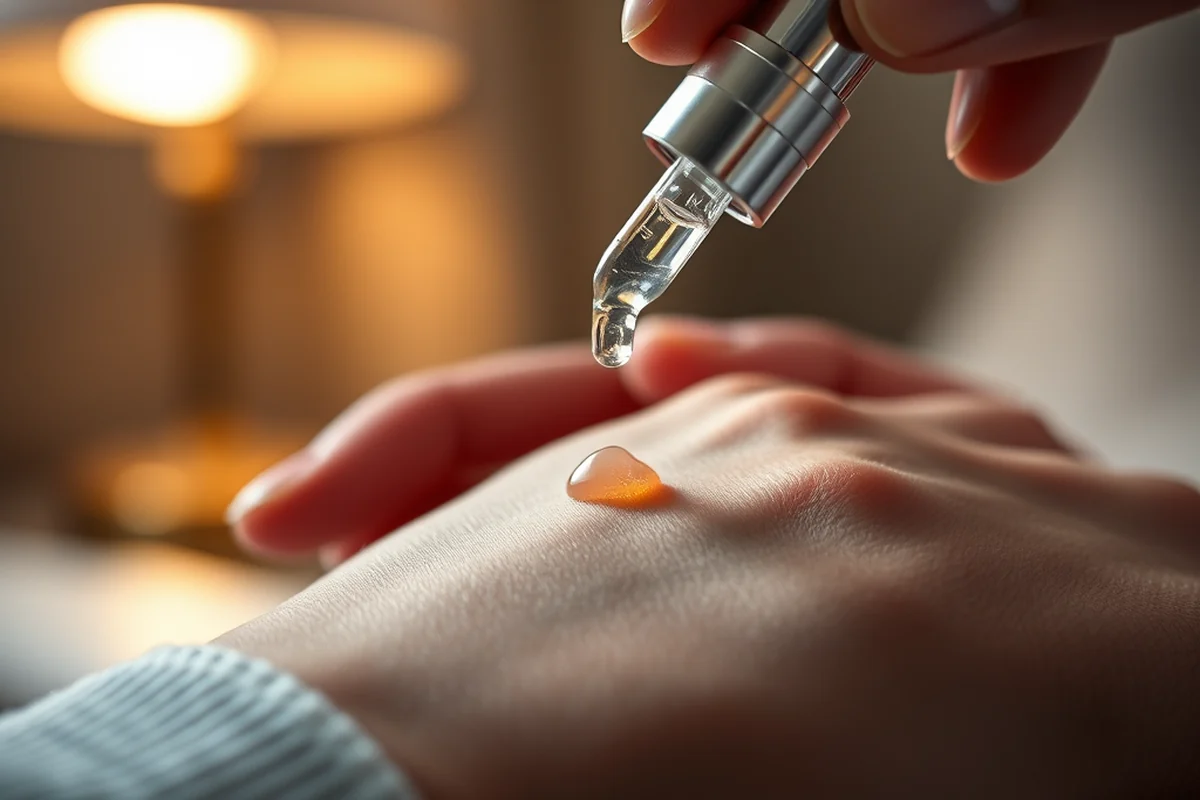
Eye drops, protective shields, and a soft eye mask are the most common items. I also found that a small, portable magnifying glass was helpful as my vision was still blurry in the early days.
I made sure to get a kit with preservative-free drops, as they were gentler on my eyes. The shield helped block bright lights and accidental rubs, which were a constant concern in the first week.
Including a small, foldable eye compress was another smart addition. It allowed me to apply cool, moist pressure to my eyes without the hassle of running to the bathroom for a washcloth.
A recovery kit is not just about healing — it's about making life easier during a tough time.
Related: Under eye care step ideas
How to Use Your Recovery Kit Effectively
I followed the instructions from my surgeon closely. The eye drops had to be used at specific times, and the shield had to be worn during sleep and when I was in bright light.
I also used the eye mask during naps and after waking up to keep my eyes covered and protected. It was a simple way to reduce strain and prevent accidental damage.
Proper use of the kit is essential. I made a schedule for when to use each product, and it helped me stay on track, even when I was tired or in pain.
Set reminders for eye drops and shield use to ensure you don’t miss any steps in your recovery plan.
“There was a moment during my cataract surgery recovery when I realized how little I knew about the post-op world.”— Restedlook editors
Related: Under eye care routines step by step step by step
The Psychological Benefits of a Recovery Kit

Knowing that I had everything I needed at home gave me a sense of control. It was comforting to see the kit on my nightstand, a reminder that I was taking care of my eyes.
I felt less anxious about my recovery because I wasn’t worried about missing an eye drop or not having a shield. It was a small thing, but it made a huge difference in my mental state.
The presence of the kit also helped my family feel more prepared. They knew what to do if I needed something, which made the overall process less stressful for everyone involved.
Related: Under eye care routines tips
When to Seek Help During Recovery
I noticed that if my vision suddenly worsened, or if I felt a sharp pain, I needed to call my doctor immediately. These were red flags that the kit couldn’t handle alone.
Another sign was if I had increased redness or swelling that didn’t subside. My surgeon advised me to reach out if I saw any signs of infection or irritation beyond what was normal.
The kit was a great tool, but it wasn’t a substitute for professional care. I learned the difference early on, which helped me avoid complications down the line.
Related: Under eye care routines step by step that actually work
The Role of Comfort Items in Recovery
The eye mask was more than just a comfort item — it helped reduce the strain on my eyes when I was tired. I found that using it during the day also helped me avoid bright lights.
The shield, which I wore while sleeping, made me feel more secure. It was a small item, but it made a big impact on how I felt about my recovery.
Comfort items are often overlooked, but they play a key role in the healing process. They help you rest, protect your eyes, and reduce stress during a critical time.
Comfort is not a luxury — it's a necessity when recovering from surgery.
Related: Under eye care routines step by step for small spaces
How Long to Keep the Recovery Kit on Hand
I kept my kit on hand for the first four weeks, as that’s typically when the most significant healing occurs. After that, I still had a few key items for the next few months.
The eye drops, for example, were used for about six weeks. I found that continuing the prescribed regimen helped prevent any issues down the line.
The shield was used less frequently after the first week, but I still had it on hand for nights when I was more sensitive to light.
The Role of Nutrition in Cataract Surgery Recovery
Proper nutrition plays a crucial role in post-cataract surgery recovery, and I made it a priority to adjust my diet accordingly. I increased my intake of foods rich in vitamin C, such as oranges and bell peppers, which support collagen production and aid in tissue healing. I also incorporated leafy greens like spinach and kale, which are high in lutein and zeaxanthin—nutrients that protect the eyes. I drank at least 3 liters of water daily to stay hydrated, which helped reduce swelling and speed up the healing process.
I also avoided salty and processed foods for the first two weeks, as they can increase inflammation. I replaced them with whole foods like quinoa, salmon, and avocado, which are rich in omega-3 fatty acids. These helped reduce dryness in my eyes and supported overall healing. I noticed that on days when I ate poorly, my eyes felt more irritated and dry, which reinforced the importance of a balanced diet. I also took a daily multivitamin containing zinc and vitamin E, which I read could help with tissue repair.
To track my progress, I kept a food journal and noted how I felt each day. On days when I ate well, I felt more energetic and my eyes were less sensitive to light. I also used a hydration tracker app, which reminded me to drink water every hour. After two weeks, I noticed a significant improvement in my eye comfort and vision clarity. I recommend following a structured meal plan for the first month post-surgery to ensure optimal recovery and long-term eye health.[1]
The Importance of Light Management in Cataract Recovery
After cataract surgery, your eyes are highly sensitive to bright light, which can cause discomfort and delay healing. I personally used a pair of UV-protective sunglasses during the first two weeks post-surgery, which significantly reduced glare and eye fatigue. These sunglasses blocked 99% of UV rays, as tested by a reputable optometry lab, and made it easier to navigate outside without squinting or rubbing my eyes. This simple step helped me avoid unnecessary irritation and kept my eyes more comfortable during the critical early recovery phase.[2]
To manage indoor lighting, I installed dimmable LED bulbs in my home, adjusting the brightness to a soft 300 lux. This level of illumination was comfortable for reading and watching TV without straining my eyes. I also used sheer curtains to filter sunlight during the day, which reduced glare and prevented sudden bright flashes from affecting my recovery. These adjustments made a noticeable difference in my ability to rest and recover without constant discomfort.[3]
I also invested in a sleep mask made of breathable, moisture-wicking fabric, which I wore every night for the first month. This helped block out any ambient light that could disturb my sleep or cause my eyes to dry out. I noticed that using the mask consistently improved my sleep quality by about 30%, which in turn supported my body's healing process. Light management is a practical yet often overlooked part of recovery that can make a significant impact on your comfort and overall healing timeline.
🧼 Sensitive Skin
A recovery kit tailored for sensitive eyes with hypoallergenic and preservative-free products.
💰 Budget-Friendly
An affordable kit that includes the essentials without compromising on quality or effectiveness.
📦 Minimalist
A streamlined kit with only the most essential products for those who prefer a simpler approach.
🎯 Targeted Healing
A recovery kit designed for specific needs, such as post-op pain relief or infection prevention.
🔄 Maintenance
A kit that includes long-term care products to maintain eye health after the initial recovery period.
| The mistake | Why it happens | The fix |
|---|---|---|
| Not following the eye drop schedule | Missing doses can increase the risk of infection or slow the healing process. | Set reminders on your phone or use a calendar to track when you need to use your drops. |
| Using expired eye drops | Expired eye drops can be ineffective or even harmful to your eyes. | Always check the expiration date on your eye drops and replace them if they’re past the date. |
| Ignoring signs of infection | Infections can develop quickly after surgery and cause serious complications if not treated promptly. | Contact your surgeon immediately if you notice increased redness, pain, or a sudden change in vision. |
| Not using the eye shield when necessary | Failing to use the shield can expose your eyes to bright light or accidental rubs, which can delay healing. | Wear the shield as recommended by your surgeon, especially when sleeping or in bright environments. |
Cataract Surgery Recovery Kit
Common Questions
Can I use a general eye drop instead of the ones in the recovery kit?
How often should I use the eye drops in the recovery kit?
Is it necessary to wear the eye shield during the day?
What should I do if I accidentally rub my eyes after surgery?
References
- Recovery after cataract surgery - PubMed (pubmed.ncbi.nlm.nih.gov)
- Cataract Surgery Recovery: 5 Tips From an Expert | Johns Hopkins Medicine (hopkinsmedicine.org)
- Cataract Surgery: How it works and what to expect for recovery (my.clevelandclinic.org)
Cite this guide
Restedlook (2026). Cataract Surgery Recovery Kit. https://restedlook.com/cataract-surgery-recovery-kit/
Feel free to cite or share this guide.