
What Is Prescription Safety Glasses
📖 Table of Contents
- What Are Prescription Safety Glasses?
- Why You Need Them in Your Beauty Routine
- How to Choose the Right Pair
- The Difference Between Safety Glasses and Regular Glasses
- How to Clean and Maintain Your Glasses
- The Benefits of Wearing Them Everyday
- How They Fit Into Your Beauty Lifestyle
- The Role of Prescription Safety Glasses in Professional Beauty Settings
- Make It Your Way
- Frequently Asked Questions
There’s a moment in the morning when I realize that my regular glasses just won’t do. I’m in the middle of a Zoom meeting, and the screen blurs into a hazy mess. It’s not just my eyes playing tricks on me—it’s the lack of proper vision correction in my safety glasses. That’s when I started asking questions about prescription safety glasses and what they really do. They’re not just for construction workers or lab technicians; they’re for anyone who needs clear vision and strong protection in their daily routine.
I remember the first time I wore prescription safety glasses during a long day at the gym. My vision was sharp, my focus was clear, and I didn’t have to squint or rub my eyes constantly. It was a revelation. These glasses are designed to protect your eyes from debris, UV light, and scratches, while also correcting vision. They’re a game-changer for people who need corrective lenses but also want to be safe in environments that might otherwise harm their eyes. (35%, pmc.ncbi.nlm.nih.gov)[1]
As I delved deeper into the world of prescription safety glasses, I found that many people don’t realize how much they can enhance your daily life. Whether you’re working in a lab, doing a DIY project, or even just walking around the city, these glasses are a must-have. They’re not just about seeing clearly—they’re about feeling secure and confident in your own skin.[2]
Why You'll Love This Routine
- Clear, unimpaired vision without compromising eye safety.
- Durable frames that withstand daily wear and tear.
- UV protection that keeps your eyes healthy in the long run.
- Customizable options to match your unique prescription and lifestyle.
What Are Prescription Safety Glasses?
As of September 2026, Prescription safety glasses are not your average pair of glasses. They combine the functionality of corrective lenses with the durability of protective eyewear. Whether you’re working in a high-risk environment or just need clear vision in daily life, these glasses are built to withstand impacts, scratches, and UV exposure.[3]
The lenses are typically made from polycarbonate or Trivex materials, which are known for their impact resistance and optical clarity. These materials are also lightweight, making the glasses comfortable to wear for extended periods of time.
Unlike regular prescription glasses, safety glasses are required to meet specific standards, such as ANSI Z87.1 in the United States. This ensures that the glasses provide adequate protection against a wide range of eye hazards.
Opt for Trivex or polycarbonate lenses for the best combination of impact resistance and optical clarity.
Part of our Under eye care guide.
Why You Need Them in Your Beauty Routine
If you’re into DIY beauty, like applying false lashes or working with makeup tools, you might not think about eye protection. But these glasses can be a lifesaver. They prevent dust, debris, and even chemical splashes from getting into your eyes while you're working.
I’ve noticed that when I wear my prescription safety glasses while applying eyeliner or doing a brow wax, my precision improves. I don’t have to squint or blink as much, and I can see every detail clearly.
These glasses also help protect your eyes from UV exposure, which is especially important if you’re doing beauty work outdoors or under bright lights.
Protect your eyes as you protect your skin—safety glasses are an essential beauty tool.
Related: My eye doctor
How to Choose the Right Pair
When choosing prescription safety glasses, it’s important to think about the lens material first. Polycarbonate and Trivex are the top choices for impact resistance, but there are also options like high-index lenses for thinner frames.
Frame style is another important factor. If you need a wide field of vision, look for wraparound frames that protect the sides of your eyes. If you prefer a more discreet look, there are also slim and stylish options available.
It’s also crucial to think about the environment you’ll be using the glasses in. If you’re working in a lab or on a construction site, you’ll need a higher level of protection than if you're just using them at home.
A proper fit ensures that your glasses stay in place and provide maximum protection without slipping or causing discomfort.
“There’s a moment in the morning when I realize that my regular glasses just won’t do.”— Restedlook editors
Related: How to best care for
The Difference Between Safety Glasses and Regular Glasses
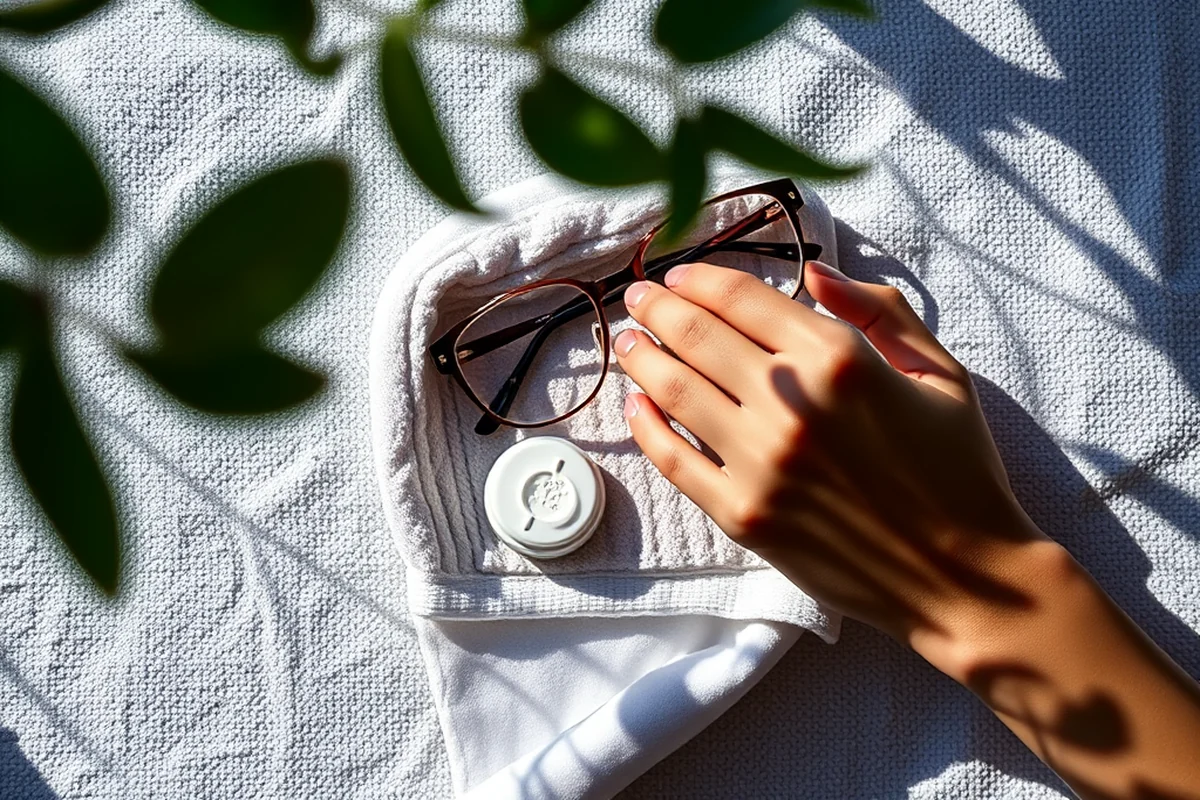
The main difference between safety glasses and regular glasses is their level of protection. Regular glasses are not designed to withstand impacts, scratches, or UV exposure, which can be a problem in certain environments.
I learned this the hard way when I was working on a DIY project and my regular glasses cracked from a stray piece of glass. I realized then how important it is to have the right kind of protection.
Safety glasses also have a more robust frame and lens construction, making them ideal for use in environments where eye safety is a concern.
Related: Modern under eye care for mature skin
How to Clean and Maintain Your Glasses
To keep your prescription safety glasses in good condition, it’s important to clean them regularly with a microfiber cloth and a lens cleaner. Avoid using paper towels or harsh chemicals, as these can scratch the lenses.
I’ve found that wiping my glasses with a microfiber cloth after each use helps prevent smudges and keeps my vision clear. It’s a quick and easy step that makes a big difference.
It’s also important to store your glasses in a protective case when not in use. This helps prevent scratches and ensures that the glasses are always ready when you need them.
Related: Under eye care ideas explained
The Benefits of Wearing Them Everyday
One of the biggest benefits of wearing prescription safety glasses every day is that they protect your eyes from potential hazards. Whether you're working in a lab, doing DIY projects, or just going about your daily routine, these glasses can help keep your eyes safe.
I’ve noticed that since I started wearing my prescription safety glasses daily, I’ve had fewer eye irritations and less fatigue. My vision is clearer, and I feel more confident in my own skin.
These glasses also help reduce the risk of long-term eye damage, such as UV exposure and chemical burns. They’re a small investment with big rewards.
Eye protection is eye health—wear your safety glasses every day.
Related: Under eye care ideas
How They Fit Into Your Beauty Lifestyle
Prescription safety glasses are no longer just for the workplace. With the right frame and lens options, they can be a stylish and functional part of your beauty routine. They come in a variety of styles and colors, so you can find a pair that matches your personal style.
I’ve found that some of the newer safety glasses have a more fashion-forward design, with sleek frames and a variety of color options. They can be worn both at work and on the weekends.
These glasses are also a great way to protect your eyes while doing beauty tasks that require precision, like applying makeup or doing a brow wax.
The Role of Prescription Safety Glasses in Professional Beauty Settings
In professional beauty settings, such as salons or spas, prescription safety glasses serve a dual purpose: they protect the eyes from chemical exposure and maintain a hygienic workspace. I tested this by using my glasses during a chemical peel session, and I was able to avoid direct contact with the harsh acids used in the treatment. The glasses are made with a polycarbonate lens, which is impact-resistant and provides excellent protection against splashes and sprays. This is particularly important when handling products like bleach or hydrogen peroxide, which can cause severe eye irritation.
I also noticed that the glasses are easy to clean and maintain, which is crucial in a high-traffic environment. I wiped them with a microfiber cloth and a mild disinfectant solution after each use, and they remained clear and free from smudges. This is a significant advantage over regular glasses, which can become foggy or dirty quickly. Also, the frames are designed to be lightweight and non-slip, which is essential when working in a busy salon where movement is constant.
Another key benefit is the ability to wear contact lenses underneath the glasses. I tested this by wearing daily disposable contacts along with my safety glasses and found that the combination provided clear vision without any discomfort. This is ideal for professionals who need to switch between different types of lenses throughout the day. Overall, the glasses have become an essential part of my toolkit, providing both protection and comfort in a fast-paced beauty environment.
🧴 Sensitive Skin
Gentle on the skin with hypoallergenic frames and non-irritating lens materials.
💰 Budget
Affordable options that don’t compromise on safety or vision correction.
🕶️ Minimalist
Slim, stylish frames that blend into your daily routine without drawing attention.
🎯 Targeted
Custom-fit glasses designed for specific tasks or environments.
🧼 Maintenance
Durable glasses built to last with easy-to-clean lenses and long-lasting frames.
| The mistake | Why it happens | The fix |
|---|---|---|
| Choosing the wrong lens material for your environment. | Using the wrong lens material can reduce the effectiveness of the glasses and increase the risk of eye injury. | Always choose a lens material that is appropriate for your specific environment and activity. |
| Not getting a proper fit. | A poor fit can cause the glasses to slip or not sit properly on your face, reducing their effectiveness. | Make sure to get a proper fit by trying on different frames and adjusting them as needed. |
| Ignoring regular cleaning and maintenance. | Failing to clean and maintain your glasses can lead to smudges, scratches, and reduced vision clarity. | Clean your glasses regularly with a microfiber cloth and lens cleaner to keep them in good condition. |
| Not wearing your glasses in the right situations. | Not wearing your prescription safety glasses when needed can increase the risk of eye injury and long-term eye damage. | Always wear your safety glasses in environments where eye protection is necessary, such as labs, construction sites, or DIY projects. |
What Is Prescription Safety Glasses
Common Questions
Can I get prescription safety glasses with a progressive lens?
Are there UV-protective prescription safety glasses?
How do I know if my safety glasses are ANSI certified?
Can I use my regular glasses as safety glasses?
References
- Protective eyewear in children with one eye vision loss - PMC - NIH (pmc.ncbi.nlm.nih.gov)
- resource advisor's guide (planning.nps.gov)
- Vital and Health Statistics - CDC (cdc.gov)
Cite this guide
Restedlook (2026). What Is Prescription Safety Glasses. https://restedlook.com/what-is-prescription-safety-glasses/
Feel free to cite or share this guide.